
Unveiling Chirality in Tectomer-Based Crystal Structures: A Supramolecular Self-Assembly Perspective for Indian Researchers
Explore the fascinating world where molecular architecture dictates macroscopic properties, offering unprecedented opportunities for advanced materials in India's burgeoning R&D landscape.
Explore Tectomer InnovationsIntroduction to Chirality and Tectomers
The intricate dance of molecules at the nanoscale often dictates the macroscopic properties of materials, leading to revolutionary advancements across various scientific disciplines. At the heart of this molecular choreography lies chirality, a fundamental geometric property where a molecule is non-superimposable on its mirror image, much like our left and right hands. This seemingly simple characteristic has profound implications, influencing everything from biological processes within our bodies to the efficacy of pharmaceutical drugs and the performance of advanced materials.
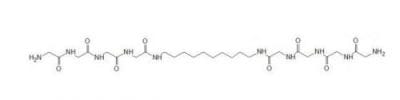
In the realm of materials science, the controlled assembly of molecular building blocks offers unprecedented opportunities. Here, tectomers emerge as sophisticated molecular Lego bricks – modular, precisely engineered components designed to self-organize into larger, ordered structures. These versatile molecules, often featuring multiple "tails" or arms, are specifically crafted to interact with each other through non-covalent forces, initiating a process known as supramolecular self-assembly. This intelligent orchestration guides individual tectomers to spontaneously arrange themselves into complex, often hierarchical, crystal structures.
The synergy between inherent molecular chirality and the directed process of supramolecular self-assembly is a frontier of innovation. By carefully designing chiral tectomers, researchers can impart specific handedness to the resulting crystal structures, leading to materials with unique chiroptical, electronic, and mechanical properties. This precision in molecular architecture opens doors to creating bespoke nanomaterials and biomaterials with functionalities previously unimaginable.
For Indian researchers and professionals, this field represents a strategic imperative. With a burgeoning R&D ecosystem and a strong emphasis on indigenous innovation, understanding and harnessing chirality in tectomer-based supramolecular assemblies can propel India to the forefront of advanced materials science. The potential to develop novel catalysts for the pharmaceutical industry, advanced sensors for environmental monitoring, or biocompatible implants for healthcare aligns perfectly with national priorities in nanotechnology, chemical synthesis, and polymer chemistry, promising to address unique challenges and foster economic growth.
Key Benefits for Indian Researchers and Innovators
Precision Material Design
Understanding chirality and tectomer self-assembly enables the creation of materials with tailored properties, such as specific optical activity, selective binding capabilities, and controlled porosity. This precision is crucial for developing high-tech materials like highly selective filters for industrial purification, advanced coatings for aerospace applications, and smart membranes for water treatment, directly supporting India's push for advanced manufacturing and sustainable technologies.
Innovation in Catalysis
Chiral tectomers offer a powerful platform for designing enantioselective catalysts, which are indispensable for the pharmaceutical and fine chemical industries. By facilitating the synthesis of single-enantiomer drugs, these catalysts not only improve therapeutic efficacy and reduce side effects but also significantly reduce waste and enhance process efficiency. This aligns with India's growing focus on green chemistry and sustainable industrial practices, offering a competitive edge in global chemical synthesis.
Advancements in Biomedical Science
The development of biocompatible and biodegradable "biomaterials" derived from chiral tectomers holds immense promise for the healthcare sector. Applications range from advanced drug delivery systems that precisely target diseased cells, to innovative tissue engineering scaffolds for regenerative medicine, and sophisticated diagnostic tools. For India, this translates into more affordable and effective medical solutions, addressing critical public health needs and fostering a thriving biomedical industry.
Fundamental Scientific Understanding
Research into chiral tectomers and their supramolecular assembly contributes significantly to our fundamental understanding of self-organization principles and complex systems. This basic research strengthens India's scientific foundation, fostering a culture of deep inquiry and innovation. It empowers researchers to explore new frontiers in "supramolecular" chemistry and "nanotechnology," paving the way for unforeseen discoveries and technological breakthroughs.
Economic Impact & Self-Reliance
Developing expertise and indigenous capabilities in chiral tectomer technology can lead to the creation of new high-value industries and products within India. This reduces reliance on imported advanced materials and technologies, contributing to the 'Atmanirbhar Bharat' (Self-reliant India) initiative. The commercialization of these innovations will boost economic growth, create skilled employment, and solidify India's position as a global leader in advanced "materials science" and "polymer chemistry."
Industry Applications of Chiral Tectomer-Based Materials
Smart & Responsive Materials
Chiral tectomer-based materials can be engineered to respond dynamically to external stimuli such as light, temperature, pH, or specific chemical signals. The inherent chirality can play a pivotal role in dictating the nature and sensitivity of these responses, leading to sophisticated chiroptical switches or highly selective sensors. In the Indian context, these materials hold immense potential for applications in smart textiles for defense and consumer electronics, advanced packaging solutions to minimize food spoilage in complex supply chains, and environmental monitoring systems capable of detecting trace pollutants with high precision, contributing to sustainable development goals.
Pharmaceutical & Biomedical Devices
The pharmaceutical and biomedical sectors stand to gain significantly from chiral tectomers. These materials can be precisely designed for drug encapsulation, enabling controlled and sustained release, and facilitating targeted drug delivery to specific cells or tissues. The stereoselective interactions offered by chiral centers are critical for improving the bioavailability and efficacy of therapeutic agents while minimizing adverse side effects. For India, this translates into the development of more effective and affordable medicines, innovative wound dressings, advanced diagnostic imaging agents, and next-generation medical implants, directly impacting public health outcomes and fostering a robust "biomaterials" industry.
Optoelectronics & Photonics
Materials exhibiting specific optical properties, such as circular dichroism, polarized light emission, or unique refractive indices, are vital for advanced optoelectronics. Chiral organization within tectomer-based crystal structures can lead to unprecedented light-matter interactions. This opens avenues for developing highly efficient organic light-emitting diodes (OLEDs), advanced chiral liquid crystals for displays, innovative optical data storage solutions, and sensors for detecting chiral molecules. With India's rapidly expanding electronics manufacturing base and a growing demand for energy-efficient technologies, these materials can contribute significantly to cutting-edge display technologies and renewable energy solutions like efficient organic solar cells.
Advanced Catalysis for Chemical Synthesis
The design of highly efficient and selective catalysts is a cornerstone of modern "chemical synthesis." Chiral tectomers provide an ideal scaffold for creating specific binding pockets that can facilitate enantioselective reactions, favoring the production of one desired stereoisomer over another. This capability is paramount in the synthesis of complex active pharmaceutical ingredients (APIs), agrochemicals, and specialty chemicals, where stereochemical purity is critical. For India's thriving pharmaceutical and fine chemical industries, such advancements offer improved synthesis routes, reduced waste generation, lower production costs, and enhanced product quality, thereby strengthening its position as a global manufacturing hub for high-value chemicals.
India's Growing Landscape: Opportunities and Trends
India is rapidly emerging as a global hub for scientific research and technological innovation, with significant government backing for advanced materials and "nanotechnology." Initiatives like "Make in India" and "Atmanirbhar Bharat" actively promote indigenous research, development, and manufacturing capabilities, creating a fertile ground for advancements in chirality and tectomer-based crystal structures. This policy-driven support encourages investment in cutting-edge laboratories and fosters a collaborative environment for academic and industrial research.
A notable trend is the increasing collaboration between premier Indian academic institutions, such as the Indian Institutes of Technology (IITs) and various CSIR laboratories, with national and international industries. These partnerships are vital for translating fundamental research in supramolecular chemistry and self-assembly into commercially viable products. The strong talent pool of skilled scientists and engineers specializing in chemical synthesis, polymer chemistry, and materials science further accelerates this translation, ensuring a steady stream of innovation.
The demand for high-performance nanomaterials and advanced biomaterials is soaring across key Indian sectors including healthcare, electronics, and automotive. This market pull creates significant opportunities for the application and commercialization of chiral tectomer technologies. Furthermore, India's commitment to sustainable development and green chemistry provides a strong impetus for research into environmentally friendly synthesis methods and materials, where chiral tectomers can play a transformative role in reducing waste and enhancing resource efficiency. The convergence of these factors positions India as a pivotal player in the future of advanced materials research and development.
Frequently Asked Questions
Explore Our Related Tectomer Products



Ready to Advance Your Research?
Discover our comprehensive range of high-quality tectomer products and explore how they can empower your next breakthrough in materials science and nanotechnology.
Discover Our Range of Tectomer Products