Unlocking the Future: Self-Healing Materials with Tectomer Chemistry for Indian Innovation
Explore the groundbreaking world of self-healing materials using tectomer chemistry, revolutionizing material science and offering advanced solutions for various industries and research applications in India.
Learn MoreIntroduction to Self-Healing Materials and Tectomer Chemistry
In the dynamic landscape of material science, the quest for durable, sustainable, and resilient materials has led to the emergence of self-healing materials. These innovative substances possess the remarkable ability to repair damage autonomously, extending their lifespan and reducing maintenance costs. For Indian researchers and professionals, this field represents a significant frontier for innovation, promising transformative applications across various sectors. At the heart of this revolution lies Tectomer Chemistry, a sophisticated approach that leverages supramolecular interactions to design materials with inherent self-repairing capabilities.
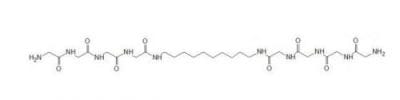
Tectomers are a class of smart materials and nanomaterials engineered with specific molecular architectures that allow them to reversibly assemble and disassemble. This unique property enables them to mend cracks and damage at a microscopic level, often without external intervention. The relevance of such advanced materials in India's rapidly expanding industrial and technological ecosystem cannot be overstated. From infrastructure development to biomedical devices, the integration of self-healing polymers and composites can lead to unprecedented levels of material performance and longevity. This blog delves into the fascinating world of self-healing materials using tectomer chemistry, exploring their mechanisms, benefits, applications, and the immense opportunities they present for India's scientific and industrial future.
The concept of self-healing draws inspiration from biological systems, where living organisms continuously repair themselves. Translating this natural phenomenon into synthetic materials has been a long-standing goal of material scientists. Tectomer chemistry provides an elegant solution by utilizing non-covalent bonds, such as hydrogen bonding, π-π stacking, and metal-ligand coordination, which can break and reform under specific conditions. This dynamic bonding allows the material to flow into damaged areas and reconstruct its original structure, effectively healing itself. Such nanotechnology-driven solutions are particularly exciting for a nation like India, which is heavily investing in research and development to achieve self-reliance and global leadership in science and technology. The growing emphasis on sustainable development and circular economy principles in India further amplifies the importance of materials that can repair themselves, minimizing waste and resource consumption.
Understanding the intricate balance between molecular design and macroscopic performance is crucial for harnessing the full potential of these materials. As we explore the various facets of self-healing tectomers, it becomes clear that their impact will extend far beyond mere material repair, influencing design philosophies, manufacturing processes, and sustainability practices. The interdisciplinary nature of this field, combining chemical science, material engineering, and nanotechnology, offers a rich ground for collaborative research and innovation within India's academic and industrial sectors. This detailed overview aims to provide Indian researchers, engineers, and industry professionals with a comprehensive understanding of this cutting-edge field, encouraging further exploration and adoption of tectomer-based self-healing solutions to address pressing challenges and create new opportunities.
Key Benefits of Self-Healing Tectomers for Indian Researchers
- • Extended Material Lifespan: Significantly increases the durability and longevity of products, reducing the frequency of replacement and material waste. This is crucial for sustainable development initiatives in India, where resource conservation and waste reduction are paramount for a growing population and economy. Longer-lasting materials mean a smaller environmental footprint.
- • Reduced Maintenance Costs: Autonomous repair mechanisms minimize the need for manual inspections and repairs, leading to substantial cost savings in infrastructure, automotive, and aerospace sectors. For India's vast and aging infrastructure, this translates into significant economic benefits and more efficient resource allocation.
- • Enhanced Safety and Reliability: Prevents catastrophic failures by repairing micro-cracks before they propagate, improving the safety profile of critical components and structures. This is vital for high-stakes applications in defense, transportation, and energy, ensuring greater public safety and operational reliability.
- • Environmental Sustainability: Promotes a circular economy by enabling materials to self-repair, thereby reducing resource consumption and landfill burden. This aligns with India's environmental goals and commitments to combat climate change, offering a pathway to more eco-friendly manufacturing and consumption patterns.
- • Versatility in Applications: Tectomer chemistry allows for tailoring self-healing properties to a wide range of materials, including polymers, coatings, and composites, opening doors for diverse applications across various industries, from consumer goods to specialized industrial equipment.
- • Innovation in Nanotechnology: Drives advancements in nanotechnology and supramolecular chemistry, fostering new research avenues and intellectual property development within India. This positions India as a key player in cutting-edge material science and technological innovation.
- • Economic Competitiveness: Positions Indian industries at the forefront of advanced materials innovation, enhancing global competitiveness and attracting investment. Developing indigenous self-healing technologies can reduce import dependency and create new export opportunities.
Transformative Applications of Self-Healing Tectomers in Indian Industries
Automotive and Aerospace
Self-healing coatings and composites can significantly extend the life of vehicle components and aircraft structures, repairing micro-cracks caused by fatigue or impact. This translates to safer vehicles, reduced maintenance downtime, and lower operational costs for India's burgeoning automotive and aerospace sectors. Imagine car paints that heal scratches or aircraft wings that repair minor damage mid-flight, especially critical given India's diverse climatic conditions and varied road networks that challenge material durability. The use of smart materials here can lead to more resilient transportation systems.
Infrastructure and Construction
From self-healing concrete that repairs cracks in bridges and roads to protective coatings for buildings that resist environmental degradation, tectomers offer revolutionary solutions for India's massive infrastructure projects. This can drastically improve the longevity and resilience of critical national assets, reducing the need for costly and disruptive repairs. Given the challenges of maintaining vast infrastructure in varied geographical and climatic zones, self-healing materials provide a sustainable and cost-effective approach to ensuring long-term structural integrity and safety.
Electronics and Flexible Devices
The integration of self-healing polymers into flexible electronics, sensors, and wearable devices can enhance their durability and reliability. This is particularly relevant for India's rapidly growing electronics manufacturing industry, where components are often subjected to mechanical stress and wear. Self-healing circuits could lead to longer-lasting smartphones, medical implants, and robust industrial sensors, addressing the common issue of device failure due to minor physical damage and contributing to a reduction in electronic waste.
Biomedical and Healthcare
In the biomedical field, smart materials with self-healing properties can be used to develop advanced drug delivery systems, biocompatible implants, and tissue engineering scaffolds that can repair themselves in response to the body's environment, offering significant advancements in patient care and medical technology. The ability of these nanomaterials to adapt and self-repair within biological systems opens up new frontiers for personalized medicine and regenerative therapies, promising improved patient outcomes and reduced need for invasive procedures.
India's Horizon: Opportunities and Trends in Self-Healing Materials
India is uniquely positioned to become a global leader in the research and development of self-healing materials using tectomer chemistry. With a robust scientific talent pool, increasing government investment in R&D through initiatives like the National Mission on Interdisciplinary Cyber-Physical Systems (NM-ICPS) and the Science and Engineering Research Board (SERB), and a growing demand for sustainable and high-performance materials across sectors, the opportunities are immense. The "Make in India" initiative further encourages domestic innovation in nanomaterials and advanced materials, creating a fertile ground for tectomer-based solutions to address both local and global challenges.
Current trends indicate a strong focus on developing cost-effective and scalable self-healing technologies. Indian researchers are actively exploring various supramolecular motifs and polymer matrices to create self-healing polymers that can withstand India's diverse climatic conditions and industrial demands, from the arid deserts to the humid coastal regions. Collaboration between academic institutions (like IITs and NITs), national research labs (such as CSIR labs), and industrial partners is key to translating laboratory breakthroughs into commercially viable products. The emphasis on smart infrastructure and smart cities in India also provides a direct application pathway for these smart materials, envisioning a future where urban environments are more resilient and self-sustaining.
Furthermore, the rise of nanotechnology in India is a significant enabler for self-healing tectomers. The ability to manipulate materials at the nanoscale allows for precise control over the self-healing mechanisms, leading to more efficient and robust systems. Funding from agencies like the Department of Science & Technology (DST) and Council of Scientific & Industrial Research (CSIR) is increasingly directed towards interdisciplinary research that combines chemical science, material engineering, and nanotechnology to push the boundaries of what's possible with self-healing materials. This convergence of disciplines is fostering a vibrant ecosystem for innovation. The future of material science in India is undoubtedly being shaped by these exciting developments, promising not just technological advancement but also significant contributions to environmental protection and economic growth.
Frequently Asked Questions about Self-Healing Tectomers
Explore Related Tectomer Products



Ready to Innovate with Self-Healing Materials?
Connect with Reinste to explore how Tectomer Chemistry can revolutionize your research and product development.
Get in Touch