
Introduction: The Dawn of Precision in Nanomedicine for Indian Research
In the rapidly evolving landscape of pharmaceuticals and medical research, the quest for more efficient, targeted, and less toxic drug delivery systems is paramount. For Indian researchers and professionals, this pursuit holds particular significance, given the unique healthcare challenges, the vast population, and the immense potential for indigenous innovation in the pharmaceutical and biotechnology sectors. At the forefront of this revolution are nanomaterials, with Tectomers and Dendrimers emerging as two particularly promising classes of supramolecular polymers. These fascinating structures offer unprecedented control over drug encapsulation, release kinetics, and targeting, paving the way for a new era of nanomedicine.
This blog post aims to provide a comprehensive overview of Tectomers and Dendrimers, dissecting their structural intricacies, functional advantages, and the distinct roles they play in advanced drug delivery systems. We will explore their relevance to the Indian R&D sector, highlighting the opportunities they present for addressing critical health issues such as cancer, infectious diseases, and chronic conditions, and fostering scientific leadership in the global arena. By understanding the nuances of these nanomaterials, we can better appreciate their potential to transform therapeutic outcomes and contribute significantly to global health, with a specific focus on the needs and capabilities within India.
The distinction between Tectomers and Dendrimers, while subtle in some aspects, is crucial for optimizing their application. Both represent highly branched polymeric architectures, yet their synthesis, structural rigidity, and assembly mechanisms confer unique properties. Tectomers, with their dynamic self-assembly, offer flexibility and adaptability, while Dendrimers, with their precise, generation-dependent structures, provide unparalleled monodispersity and control. This detailed exploration will serve as an invaluable resource for scientists, pharmacists, and industry stakeholders in India, guiding them through the complexities and exciting prospects offered by these cutting-edge nanocarriers in the context of nanotechnology advancements.
Researcher Benefits: Unlocking New Potentials for Indian Scientists
For Indian researchers, the adoption of Tectomers and Dendrimers in drug delivery and nanomedicine offers a multitude of advantages, significantly enhancing the scope and impact of their work:
- Enhanced Drug Efficacy: Precise targeting capabilities of these nanomaterials mean drugs reach their intended site more effectively, leading to higher therapeutic concentrations where needed and reduced systemic exposure.
- Reduced Side Effects: By minimizing off-target drug accumulation, patients experience fewer adverse reactions, improving treatment adherence and overall quality of life. This is particularly crucial for potent drugs like chemotherapeutics.
- Precise Control Over Drug Release: The unique architectures of Tectomers and Dendrimers allow for sophisticated control over drug release profiles, enabling sustained, pulsatile, or on-demand delivery, which can be tailored to specific therapeutic needs.
- Overcoming Biological Barriers: Nanocarriers can effectively traverse biological barriers, such as the blood-brain barrier, which are often impenetrable to conventional drugs, opening new avenues for treating complex diseases.
- Cost-Effectiveness and Innovation: While initial development may require investment, the efficiency and reduced dosage requirements of nanomedicines can lead to long-term cost savings. Furthermore, it fosters indigenous innovation, reducing reliance on imported technologies and drugs.
- Multifunctional Platforms: Both Tectomers and Dendrimers can be engineered to carry multiple therapeutic agents simultaneously, or a combination of diagnostic and therapeutic molecules (theranostics), enabling personalized medicine approaches.
- Advancing Research Capabilities: Working with these advanced nanomaterials pushes the boundaries of polymer synthesis, biomaterials science, and drug formulation, elevating the overall research prowess of Indian institutions.
Industry Applications: Transforming Healthcare in India
The versatility of Tectomers and Dendrimers translates into a wide array of industrial applications, promising significant advancements in healthcare, particularly within the Indian context.
Cancer Therapy
Tectomers and Dendrimers offer targeted delivery of chemotherapeutic agents to tumor cells, minimizing damage to healthy tissues. This precision can significantly improve patient outcomes and reduce the severe side effects associated with conventional cancer treatments, a critical need in India's growing cancer burden.
Gene Therapy
These nanocarriers are excellent non-viral vectors for delivering genetic material (DNA, RNA) into cells. Their ability to protect and transport delicate genetic cargo makes them invaluable for developing novel gene therapies for genetic disorders prevalent in various Indian communities.
Diagnostic Imaging
By conjugating imaging agents to Tectomers or Dendrimers, researchers can create highly sensitive and specific contrast agents for MRI, CT, and fluorescence imaging. This enhances early disease detection and monitoring, leading to more effective clinical management in Indian hospitals.
Vaccine Delivery
The structured nature of these nanomaterials makes them ideal for presenting antigens to the immune system, enhancing vaccine efficacy and stability. This is particularly relevant for developing new vaccines against infectious diseases common in India.
Antimicrobial Treatments
With increasing antibiotic resistance, Tectomers and Dendrimers can deliver antimicrobial agents directly to infection sites, improving treatment outcomes and potentially reducing the dosage required, thereby combating the rise of superbugs in the Indian healthcare system.
Regenerative Medicine
These nanocarriers can deliver growth factors and stem cells to damaged tissues, promoting regeneration and repair. This opens up new avenues for treating chronic conditions and injuries, offering hope for advanced therapies in India.
Opportunities and Trends: The Indian Nanotechnology Horizon and Future Directions
India's scientific landscape is ripe for innovation in nanotechnology and nanomedicine. The government's emphasis on "Make in India" and initiatives promoting research and development in advanced materials provide a fertile ground for the growth of Tectomers and Dendrimers technologies. The Indian nanotechnology research ecosystem is rapidly expanding, with increasing collaborations between academic institutions, research labs, and pharmaceutical companies. This synergy is crucial for translating laboratory discoveries into clinical applications and fostering a robust domestic industry for advanced drug delivery systems. The focus on indigenous development also aligns with the national goal of self-reliance in critical healthcare technologies.
One significant trend is the focus on developing cost-effective nanomedicine solutions for India. Given the diverse socio-economic strata, affordability remains a key factor in healthcare accessibility. Researchers are actively exploring methods to synthesize Tectomers and Dendrimers using more accessible raw materials and scalable, economically viable processes, ensuring that advanced therapies can reach a broader population without compromising quality. The market for drug delivery market India is projected to witness substantial growth, driven by the rising prevalence of chronic diseases, the increasing demand for improved therapeutic outcomes, and a growing awareness of personalized medicine approaches.
Furthermore, there is a growing interest in sustainable nanomaterials and green synthesis approaches, aligning with global environmental concerns and the principles of responsible innovation. Indian scientists are actively investigating environmentally benign methods for producing Tectomers and Dendrimers, aiming to reduce their ecological footprint throughout their lifecycle. The integration of artificial intelligence (AI) and machine learning (ML) in designing and predicting the behavior of these complex nanostructures is another emerging trend, accelerating the discovery and optimization process by enabling rapid screening of potential candidates and predicting their in-vivo performance.
The future of nanomedicine innovations in India is undeniably bright, with Tectomers and Dendrimers poised to play a pivotal role in shaping it. As research progresses, we can anticipate the development of novel formulations, smart drug delivery systems responsive to physiological stimuli (e.g., pH, temperature, enzyme activity), and truly personalized medicine platforms that cater to individual patient needs and genetic profiles. This will not only elevate India's standing in the global scientific community but also provide transformative healthcare solutions for its citizens, addressing both common and rare diseases with unprecedented precision and efficacy. The ongoing research in supramolecular polymers and self-assembly mechanisms continues to unlock new possibilities for these advanced biomaterials.
Frequently Asked Questions (FAQ)
Tectomers are a class of supramolecular polymers formed through the self-assembly of smaller, multi-tailed building blocks. They are characterized by their ability to form well-defined, robust nanoparticles with a tunable internal structure. Dendrimers, on the other hand, are highly branched, monodisperse macromolecules synthesized through a step-wise, divergent or convergent approach, resulting in a tree-like structure. While both are branched nanomaterials, Tectomers rely on reversible self-assembly, offering flexibility, whereas Dendrimers are covalently linked, providing high structural precision and monodispersity.
These nanomaterials offer significant advantages in drug delivery due to their nanoscale size, high surface area, and tunable properties. They can encapsulate drugs, protect them from degradation, enhance solubility, extend circulation time, and facilitate targeted delivery to specific cells or tissues. This leads to improved therapeutic efficacy, reduced systemic toxicity, and the ability to deliver drugs that are otherwise difficult to formulate.
In India, nanomedicine is increasingly being applied in various fields including cancer therapy (targeted chemotherapy, theranostics), infectious disease treatment (improved antimicrobial delivery, vaccine development), diagnostics (enhanced imaging, early disease detection), and regenerative medicine. Its potential to address prevalent health issues and offer more effective, affordable treatments makes it a crucial area of research and development.
Not necessarily. The choice between Tectomers and Dendrimers depends on the specific application. Dendrimers offer precise control over size and surface functionality, making them excellent for highly specific targeting or when monodispersity is critical. Tectomers, with their self-assembling nature, can offer advantages in terms of ease of synthesis, scalability, and the ability to form more complex, dynamic structures. Both have unique strengths, and research continues to explore their optimal uses in different therapeutic contexts.
Explore Related Tectomer Products
Reinste offers a range of high-quality Tectomer products to support your advanced research in nanomedicine and drug delivery.

Tectomer 4-tailed
View Product
Tectomer 3-tailed
View Product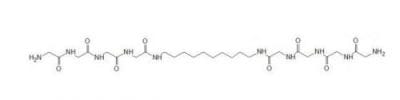
Tectomer 2-tailed
View Product
Tectomer 4-tailed, C(-CH2-NH-Gly7)4 * TFA
View ProductReady to Advance Your Research?
Explore Reinste's comprehensive range of high-quality nanomaterials and chemical compounds tailored for cutting-edge research and development.
Explore Reinste Products