1. Unveiling Tectomers – A New Frontier in Targeted Drug Delivery

The landscape of modern medicine is continuously evolving, driven by the imperative to develop more effective, safer, and targeted therapeutic interventions. In this pursuit, nanotechnology and nanomaterials have emerged as pivotal areas, promising to revolutionize how drugs are delivered within the human body. Among these innovations, Tectomers stand out as a particularly exciting class of self-assembling supramolecular polymers with immense potential in drug delivery. For Indian researchers and professionals, understanding and harnessing Tectomer technology represents a significant opportunity to address pressing healthcare challenges and contribute to global advancements in nanomedicine.

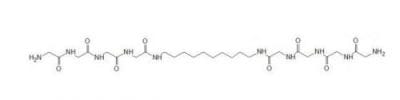
Tectomers are precisely engineered bioconjugates that can self-assemble into well-defined nanostructures. Their unique architecture, often featuring multiple "tails" or arms, allows for the precise encapsulation and controlled release of various therapeutic agents. This inherent design makes them ideal candidates for targeted delivery, a strategy that aims to deliver drugs specifically to diseased cells or tissues while sparing healthy ones. The implications for reducing systemic toxicity and enhancing therapeutic efficacy are profound, especially in complex diseases like cancer, infectious diseases, and chronic inflammatory conditions prevalent in India.

The relevance of Tectomers to Indian R&D and industry cannot be overstated. With a rapidly growing pharmaceutical sector and a strong emphasis on indigenous innovation, India is poised to become a leader in developing advanced drug delivery systems. Tectomer-based solutions offer a pathway to create novel therapeutics that are not only highly effective but also potentially more affordable and accessible, aligning with India's healthcare priorities. Researchers in polymer chemistry, chemical synthesis, and biomaterials are actively exploring the vast possibilities, from enhancing drug solubility and stability to enabling multi-modal therapies. This article delves into the intricacies of Tectomers, their benefits, applications, and the burgeoning opportunities they present for the Indian scientific community.

2. The Transformative Benefits of Tectomer-Based Drug Delivery

Tectomers offer a suite of compelling advantages over conventional drug delivery methods, making them a preferred choice for next-generation therapeutics. These benefits are particularly pertinent for researchers aiming to develop more efficacious and patient-friendly treatments.

  • Enhanced Targeting and Specificity: The inherent design of Tectomers allows for the incorporation of targeting ligands on their surface. These ligands can specifically bind to receptors overexpressed on diseased cells (e.g., cancer cells), ensuring that the drug payload is delivered precisely where it's needed. This targeted delivery minimizes off-target accumulation and reduces systemic side effects, a critical factor in improving patient quality of life during treatment.
  • Reduced Systemic Toxicity: By concentrating the drug at the site of action, Tectomers significantly lower the overall drug exposure to healthy tissues. This is especially vital for potent drugs like chemotherapeutics, where systemic toxicity is a major concern. The ability to achieve therapeutic concentrations at the target while maintaining low systemic levels is a hallmark of Tectomers in advanced drug delivery.
  • Improved Bioavailability and Solubility: Many promising drug candidates suffer from poor aqueous solubility, limiting their therapeutic potential. Tectomers can encapsulate hydrophobic drugs within their core, effectively solubilizing them and improving their bioavailability. This increases the amount of drug that reaches the circulation and ultimately the target, leading to better therapeutic outcomes.
  • Controlled and Sustained Release: Tectomer structures can be engineered to release their payload in a controlled and sustained manner over extended periods. This reduces the frequency of dosing, improves patient compliance, and maintains therapeutic drug levels within the desired window, preventing peaks and troughs that can lead to toxicity or sub-optimal efficacy. This aspect is crucial for chronic disease management.
  • Versatile Cargo Encapsulation: Beyond small molecule drugs, Tectomers can encapsulate a wide array of therapeutic agents, including peptides, proteins, nucleic acids (DNA, RNA), and even imaging agents. This versatility broadens their application spectrum across various medical disciplines, from gene therapy to diagnostics.
  • Potential for Personalized Medicine: The customizable nature of Tectomers, from their chemical structure to their targeting ligands, opens avenues for personalized medicine. Therapeutics can be tailored to individual patient profiles, disease characteristics, and specific biomarkers, promising a future of highly individualized and effective treatments. These nanomaterials represent a significant step forward in precision medicine.

3. Diverse Applications of Tectomers Across Industries

The unique properties of Tectomers translate into a broad spectrum of applications, particularly in the pharmaceutical and biomedical industries. Their ability to precisely deliver therapeutic agents makes them invaluable for tackling some of the most challenging diseases.

Revolutionizing Cancer Therapy

One of the most prominent applications of Tectomers is in targeted cancer therapy. By conjugating Tectomers with specific antibodies or ligands that recognize cancer cell markers, chemotherapeutic drugs can be delivered directly to tumors. This approach not only enhances the efficacy of the treatment by concentrating the drug at the cancerous site but also significantly reduces the severe side effects associated with conventional chemotherapy, which indiscriminately affects healthy cells. The promise of nanotechnology in making cancer treatment more humane and effective is being realized through innovations like Tectomers.

Combating Infectious Diseases

Tectomers can be engineered to deliver antimicrobial agents, antivirals, or even vaccines to specific sites of infection. This targeted approach can overcome issues like drug resistance and improve treatment outcomes, especially in diseases where pathogens are sequestered in hard-to-reach areas or within specific cell types. The development of new strategies for infectious disease management is critical globally, and Tectomers offer a powerful tool.

Managing Autoimmune and Inflammatory Disorders

For chronic conditions like rheumatoid arthritis, Crohn's disease, or multiple sclerosis, Tectomers can deliver anti-inflammatory or immunomodulatory drugs directly to the inflamed tissues or immune cells responsible for the disease. This localized action can mitigate systemic immunosuppression and its associated risks, offering a more refined therapeutic strategy.

Advancements in Gene Therapy

The delivery of genetic material (DNA, RNA) for gene therapy remains a significant challenge due to degradation and inefficient cellular uptake. Tectomers, acting as non-viral vectors, can protect nucleic acids and facilitate their entry into target cells, paving the way for safer and more efficient gene-editing and gene replacement therapies. This represents a cutting-edge application in nanotechnology.

Enhancing Diagnostic Imaging

Beyond therapeutics, Tectomers can also be utilized to deliver contrast agents for diagnostic imaging. Their ability to accumulate at specific disease sites can enhance the resolution and specificity of imaging techniques, leading to earlier and more accurate disease detection. This dual-purpose capability further underscores their versatility as biomaterials.

5. Frequently Asked Questions (FAQ) about Tectomers and Drug Delivery

7. Contact Us

Have questions or need more information? Reach out to us!