
Shining a Light on Cancer: The Dawn of Quantum Dot Therapeutics in India
The global war on cancer is increasingly being fought on a microscopic battlefield, where nanotechnology offers unprecedented weapons. Among the most promising innovations are quantum dots (QDs), semiconductor nanocrystals so small that their electronic and optical properties differ from larger particles. For researchers and medical professionals in India, a nation grappling with a rising cancer burden, these tiny titans represent a paradigm shift. The convergence of material science, biology, and medicine through cancer nanomedicine is paving the way for breakthroughs in diagnostics and treatment, and quantum dot therapeutics are at the vanguard of this revolution.
Traditionally, cancer treatment has relied on surgery, chemotherapy, and radiation—modalities that are often a double-edged sword, harming healthy cells alongside cancerous ones. The quest for precision has led scientists to explore targeted drug delivery systems. This is where quantum dots excel. Imagine a smart delivery vehicle, thousands of times smaller than a human hair, capable of navigating the bloodstream, identifying a tumor, and releasing a potent drug payload directly into the cancer cells. This is not science fiction; it is the tangible promise of quantum dots for cancer therapy in India. By combining diagnostics (theranostics), these nanoparticles can simultaneously light up a tumor for precise imaging and deliver treatment, heralding a new age of personalized oncology.
The Researcher's Edge: Why Quantum Dots are a Game-Changer
For the Indian R&D community, from academic labs to pharmaceutical startups, quantum dots offer a versatile and powerful platform. Their adoption can accelerate the development of next-generation cancer treatments. Here are the key benefits:
- Unparalleled Imaging and Tracking: QDs possess exceptional photostability and brightness, making them superior to traditional organic dyes. Their tunable fluorescence allows for multiplexed imaging—visualizing multiple biological targets simultaneously with different colors. This is critical for understanding complex tumor microenvironments.
- Enhanced Targeted Drug Delivery: The surface of quantum dots can be easily modified to attach specific ligands (like antibodies) that bind exclusively to receptors on cancer cells. This active targeting dramatically increases the efficacy of chemotherapy while minimizing systemic toxicity, a core goal of nanocarriers for chemotherapy.
- Theranostic Potential: The ability to combine therapy and diagnostics is a holy grail in oncology. QDs serve as potent tumor imaging agents while also carrying therapeutic agents. This allows clinicians to monitor a drug's accumulation at the tumor site in real-time and adjust treatment accordingly.
- Advancements in Phototherapy: QDs are excellent photosensitizers. In quantum dot phototherapy, including photothermal therapy (PTT) and photodynamic therapy (PDT), QDs absorb light and convert it into heat or reactive oxygen species to destroy cancer cells locally. This non-invasive approach is a key area of photothermal therapy nanotech.
- Platform for Innovation: Working with cancer treatment nanomaterials like quantum dots positions Indian researchers at the forefront of global innovation, fostering collaborations and attracting funding for cutting-edge oncology nanotechnology projects.
From Lab to Clinic: Key Applications in Oncology
The unique properties of quantum dots unlock a wide range of applications in the fight against cancer. Here’s a closer look at how they are being deployed.
Targeted Drug Delivery
By functionalizing QDs with cancer-specific ligands, they become sophisticated nanocarriers. These smart particles can deliver high concentrations of drugs like doxorubicin directly to tumors, bypassing healthy organs and drastically reducing the debilitating side effects of conventional chemotherapy. This is a cornerstone of modern cancer nanomedicine.
High-Resolution Tumor Imaging
The bright, stable fluorescence of quantum dots makes them exceptional tumor imaging agents. During surgery, they can help delineate tumor margins with pinpoint accuracy, ensuring complete removal of cancerous tissue while preserving healthy tissue. In diagnostics, they enable early detection by highlighting micrometastases that other methods might miss.
Photothermal & Photodynamic Therapy
Quantum dot phototherapy represents a non-invasive treatment frontier. In photothermal therapy (PTT), QDs absorb near-infrared light and generate localized heat (hyperthermia) to kill cancer cells. In photodynamic therapy (PDT), they transfer energy to oxygen molecules to create cytotoxic reactive oxygen species, offering a highly targeted way to ablate tumors.
The Indian Context: Opportunities and Future Directions
The landscape for quantum dots for cancer therapy in India is ripe with opportunity. With a strong base in chemistry, pharmaceuticals, and information technology, India is uniquely positioned to innovate in the field of oncology nanotechnology. The "Make in India" initiative and a growing focus on indigenous R&D are creating a fertile ground for developing cost-effective cancer treatment nanomaterials. Research institutions across the country are exploring novel synthesis methods for biocompatible, low-toxicity quantum dots, including cadmium-free alternatives, to address safety concerns.
A significant trend is the development of multi-modal nanoplatforms. Indian scientists are engineering quantum dots that not only perform imaging and drug delivery but also respond to stimuli within the tumor microenvironment, such as changes in pH or enzyme levels. This triggers a more intelligent and controlled release of drugs. As this research matures, the demand for high-quality, research-grade quantum dots and related materials will surge, creating a robust market for suppliers and fostering a collaborative ecosystem between academia and industry. The ultimate goal is to translate these laboratory successes into affordable and accessible quantum dot therapeutics for the Indian population.
Relevant Products for Your Research
Advance your work in cancer nanomedicine with our high-purity, research-grade quantum dots.

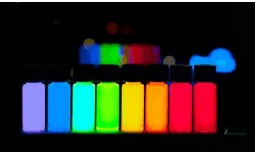
Quantum Dots, CdTe, Hydrophilic (510nm ++10 ...790nm)
View Product →
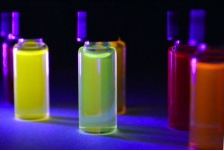
Zn-Cu-In-S/ZnS Quantum Dots, Cadmium Free, Hydrophilic
View Product →
Frequently Asked Questions
Quantum dots (QDs) are semiconductor nanocrystals with unique optical properties. In cancer therapy, they can be used as highly sensitive fluorescent probes for imaging tumors (quantum dot phototherapy) or as nanocarriers for targeted drug delivery, releasing chemotherapy agents directly at the cancer site, which minimizes harm to healthy tissue.
The safety of quantum dot therapeutics is a major area of research. Many modern quantum dots are designed to be biocompatible and are often coated with polymers to reduce toxicity. Cadmium-free quantum dots, such as those based on zinc sulfide or perovskite, are being developed to enhance safety. Clinical trials and rigorous testing are ongoing to ensure they meet safety standards for human use.
India has a burgeoning research ecosystem in nanotechnology and nanomedicine. Several leading institutions are actively researching quantum dots for cancer therapy. While still largely in the pre-clinical and research phase, the focus is on developing cost-effective, biocompatible quantum dots for diagnostics and targeted drug delivery, addressing the specific healthcare challenges in the country.
Quantum dots are much brighter and more stable than traditional fluorescent dyes. Their color can be precisely tuned by changing their size, allowing for the simultaneous imaging of multiple biological targets (multiplexing). This provides clearer, real-time images of tumors, helping surgeons to more accurately identify and remove cancerous tissue.
Ready to Advance Your Research?
Explore our comprehensive range of high-quality quantum dots and nanomaterials to power your next discovery in cancer therapy and diagnostics.
Browse Products