Introduction: The Nanoscale Revolution in Oncology
The global fight against cancer has been a long and arduous journey, marked by incremental advancements in treatment. Traditional methods like chemotherapy and radiation, while effective, often come with the significant drawback of indiscriminate cytotoxicity, harming healthy cells alongside cancerous ones. This has propelled the scientific community, particularly in a vibrant research ecosystem like India, to seek more precise and effective solutions. Enter nanomedicine, a field that operates at the atomic and molecular levels to revolutionize healthcare. At the forefront of this revolution are quantum dots (QDs).
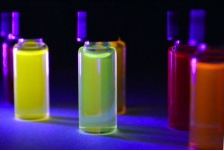
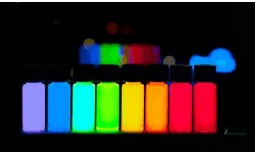
Quantum dots are minuscule semiconductor nanocrystals, so small that their properties are governed by quantum mechanics. Their most celebrated feature is their size-dependent fluorescence: simply by changing their size, scientists can make them emit light of any color in the visible spectrum. This, combined with their exceptional brightness and stability, positions them as a transformative tool in oncology. For Indian researchers and professionals, who are increasingly contributing to global scientific breakthroughs, understanding and harnessing the power of QDs is not just an opportunity—it's a gateway to developing next-generation, cost-effective cancer therapies tailored to our nation's needs.
This article delves into the world of quantum dots, exploring how they are poised to redefine targeted cancer therapy. We will examine their mechanism, the immense benefits they offer for medical research, their diverse applications, and the specific opportunities and challenges within the Indian context. From enhancing drug delivery systems to enabling ultra-sensitive diagnostics, biocompatible QDs are lighting up the path toward a future where cancer treatment is not just effective, but also intelligent and personalized.
Key Benefits for Researchers in Targeted Cancer Therapy
The adoption of quantum dots in oncology research provides a suite of powerful advantages over conventional methods. For scientists dedicated to developing novel therapeutic agents and treatment strategies, these benefits translate into more accurate data, novel functionalities, and accelerated progress.
- Unparalleled Imaging and Tracking: QDs are incredibly bright and resistant to photobleaching. This allows for long-term, real-time tracking of cancer cells and drug molecules within a living system (in vivo), providing invaluable insights into tumor dynamics and treatment efficacy.
- Precise and Targeted Drug Delivery: The surface of a quantum dot can be engineered to carry a payload of anti-cancer drugs. By functionalizing the surface with specific ligands (like antibodies), these QDs can act as 'smart bombs', delivering their therapeutic agents directly to cancer cells while sparing healthy tissue, thus drastically reducing side effects.
- Multiplexing Capabilities: Because different-sized QDs emit different colors of light when excited by a single light source, researchers can use them to 'tag' and simultaneously track multiple types of molecules or cells. This 'multiplexing' is crucial for studying the complex interactions within the tumor microenvironment.
- Enhanced Sensitivity in Diagnostics: The intense fluorescence of QDs makes them ideal for creating highly sensitive biosensors. These can be designed to detect cancer biomarkers at extremely low concentrations in blood or tissue samples, paving the way for earlier and more accurate cancer diagnosis.
- Foundation for Theranostics: Quantum dots are at the heart of 'theranostics', an exciting approach that combines diagnostics and therapeutics. A single QD-based platform can be used to visualize a tumor, deliver a drug to it, and monitor the response to the therapy in real-time, offering a holistic treatment solution.
Core Applications in Modern Oncology
The theoretical benefits of quantum dots translate into tangible, groundbreaking applications that are reshaping cancer research and treatment protocols. Below are some of the key areas where these nanoparticles are making a significant impact.
High-Resolution Bioimaging
The primary application of QDs in oncology is in bioimaging. Their brightness and stability allow for high-contrast, long-term visualization of tumors, metastatic sites, and even individual cancer cells. This is crucial for understanding tumor progression, angiogenesis (the formation of new blood vessels), and the effectiveness of a given cancer treatment.
Intelligent Drug Delivery Systems
As nano-carriers, QDs are revolutionizing drug delivery. By loading them with potent therapeutic agents and targeting them to tumors, researchers can achieve a high local concentration of the drug at the cancer site. This approach, known as targeted delivery, maximizes the therapeutic effect while minimizing systemic toxicity, a major challenge in conventional chemotherapy.
Photodynamic Therapy (PDT)
In PDT, QDs can act as photosensitizers. When activated by light of a specific wavelength, they generate reactive oxygen species (ROS) that are highly toxic to nearby cancer cells. This allows for a highly localized and minimally invasive form of cancer therapy, where the treatment is activated only at the tumor site.
Early-Stage Cancer Detection
Leveraging their optical properties, QDs are being integrated into biosensors and lab-on-a-chip devices. These systems can detect specific cancer biomarkers with incredible sensitivity and specificity, holding the promise for non-invasive, early-stage cancer screening that could dramatically improve patient outcomes.
The Indian Landscape: Opportunities and Future Trends
India, with its burgeoning pharmaceutical industry and world-class research institutions, is uniquely positioned to become a hub for nanomedicine R&D. The push for 'Make in India' aligns perfectly with developing indigenous, cost-effective nanotechnologies for healthcare. Research groups across the IITs, IISc, CSIR laboratories, and various universities are actively engaged in quantum dots for targeted cancer therapy research.
A significant trend is the focus on developing biocompatible and non-toxic QDs. While early research relied on cadmium-based QDs, the focus has now shifted to safer alternatives like zinc sulfide, graphene, or perovskite quantum dots. This addresses one of the key hurdles for clinical translation: safety and long-term biocompatibility. The availability of cadmium-free, hydrophilic (water-soluble) quantum dots from suppliers like Hiyka is empowering Indian researchers to work with materials that have a clearer path to regulatory approval.
The future of cancer treatment in India could be significantly shaped by these tiny particles. Imagine a scenario where a single injection can diagnose, treat, and monitor cancer with minimal side effects. This is the promise of QD-based theranostics. By investing in this area, India can not only address its own public health challenges but also emerge as a global leader in advanced, affordable oncology solutions.
Frequently Asked Questions (FAQ)
Quantum dots (QDs) are semiconductor nanocrystals, typically between 2 to 10 nanometers in size. Their unique property is that their fluorescence color can be precisely tuned by changing their size. This, along with their high brightness and photostability, makes them ideal for advanced applications like medical imaging and targeted drug delivery.
Quantum dots can be functionalized by attaching specific biomolecules, such as antibodies or peptides (ligands), to their surface. These ligands are chosen to bind exclusively to receptors that are overexpressed on the surface of cancer cells. This 'lock-and-key' mechanism ensures that the quantum dots—and any therapeutic agent they carry—accumulate at the tumor site, minimizing damage to healthy surrounding tissue.
The safety of quantum dots is a critical area of research. Early generations of QDs contained heavy metals like cadmium, raising toxicity concerns. However, modern advancements have led to the development of biocompatible coatings (like PEG or silica shells) and entirely cadmium-free quantum dots (e.g., those based on Zinc, Copper, Indium, and Sulfur). These innovations significantly enhance their safety profile for in-vivo applications, though rigorous testing and regulatory approval are still necessary for clinical use.
The primary advantages of quantum dots over traditional organic dyes are their superior photostability (they don't 'bleach' or fade quickly), higher brightness, and narrow, tunable emission spectra. This allows for long-term, real-time imaging and 'multiplexing'—the ability to use multiple colors of QDs simultaneously to track different biological processes at once, which is very difficult to achieve with organic dyes.
Indian researchers can source high-quality, research-grade quantum dots, including biocompatible and cadmium-free options, from specialized suppliers like Hiyka. They provide a wide range of QDs with different core materials, surface functionalizations (hydrophilic/hydrophobic), and emission spectra tailored for advanced research in nanomedicine, bioimaging, and drug delivery.
Conclusion: Illuminating the Future of Cancer Therapy
Quantum dots represent more than just an incremental improvement in cancer research; they are a paradigm shift. By enabling scientists to see more clearly, target more precisely, and treat more effectively, these nanoparticles are turning the tide in the war against cancer. For the Indian research community, this is a call to action. By embracing biocompatible QDs and innovating in the field of nanomedicine, we can develop homegrown solutions that are not only scientifically advanced but also accessible and affordable for our population. The future of oncology is incredibly small, but its potential is immeasurably vast.