
A New Dawn in Nanomedicine: The Rise of Carbon Quantum Dots
The field of nanomedicine is experiencing a paradigm shift, moving away from conventional treatment methods towards highly specific, targeted therapies. At the forefront of this revolution are Carbon Quantum Dots (CQDs), a novel class of nanomaterials poised to redefine the landscape of therapeutic delivery. For researchers and professionals in India's burgeoning R&D sector, understanding and leveraging these biocompatible nanomaterials is no longer a futuristic concept but a present-day opportunity. CQDs, with their unique optical properties, low toxicity, and exceptional biocompatibility, are emerging as the premier choice for drug delivery nanocarriers.
Unlike their semiconductor-based counterparts, which often raise concerns about heavy metal toxicity, carbon QDs are derived from abundant and eco-friendly carbon sources. This inherent safety profile makes them particularly attractive for in-vivo applications, including targeted therapy QDs. The ability to functionalize their surfaces allows for precise attachment of therapeutic agents, antibodies, or targeting ligands, enabling these quantum dot carriers to navigate the complex biological environment and deliver their payload directly to diseased cells, such as cancer tumors. This specificity not only enhances treatment efficacy but also significantly reduces the systemic side effects associated with traditional chemotherapy, heralding a new era of patient-centric care in nanomedicine delivery.
Why Researchers are Turning to Carbon QDs
Unmatched Biocompatibility & Low Toxicity
Derived from carbon, a fundamental element of life, CQDs are inherently less toxic than heavy-metal quantum dots, ensuring safer biomedical applications and minimizing adverse biological reactions.
Superior Photoluminescence for Bioimaging
CQDs exhibit strong and stable fluorescence, allowing for real-time, high-contrast imaging of cellular processes and tracking of the nanocarrier system within the body, a critical component of theranostics.
High Surface Area for Drug Loading
Their minuscule size translates to a massive surface-area-to-volume ratio, enabling high-capacity loading of therapeutic drugs, genes, or other bioactive molecules onto a single nanocarrier.
Tunable Surface Chemistry for Targeted Therapy
The surface of CQDs can be easily modified with various functional groups. This allows for the attachment of specific ligands that can recognize and bind to receptors on target cells, ensuring precise therapeutic delivery.
Excellent Water Solubility
Properly synthesized CQDs are highly soluble in aqueous solutions, a crucial property for their use in biological systems, eliminating the need for toxic organic solvents.
Cost-Effective and Scalable Synthesis
The synthesis of CQDs can often be achieved through simple, green, and low-cost methods (e.g., from citric acid or glucose), making them an economically viable option for large-scale production in the Indian market.
Transformative Biomedical Applications
Targeted Cancer Therapy
This is perhaps the most promising application. By conjugating anti-cancer drugs to CQDs that are functionalized with tumor-targeting molecules (like folic acid), a highly effective nanocarrier system is created. These targeted therapy QDs can accumulate preferentially at the tumor site, releasing their cytotoxic payload directly to cancer cells while sparing healthy tissue. This approach is a cornerstone of modern strategies for creating effective and less harmful cancer treatments.
Theranostics: Therapy & Diagnostics
The intrinsic fluorescence of CQDs allows them to perform a dual role. They can carry a therapeutic agent while simultaneously acting as a bio-probe. This means clinicians and researchers can monitor the drug's accumulation in the target tissue in real-time through bioimaging techniques. This synergy between therapy and diagnostics, known as theranostics, is critical for personalized medicine and optimizing controlled release QDs.
Gene Delivery and Therapy
Beyond small-molecule drugs, CQDs are being explored as carriers for genetic material like siRNA and plasmids. Their positively charged surface (achievable through functionalization) can effectively bind to negatively charged nucleic acids, protecting them from degradation in the bloodstream and facilitating their entry into cells. This opens up new frontiers in gene therapy for a wide range of genetic disorders, showcasing the versatility of these nanomedicine delivery platforms.
The Indian R&D Landscape: Opportunities and Future Directions
India, with its robust pharmaceutical industry and a growing focus on indigenous R&D, is uniquely positioned to become a global leader in the application of carbon QDs for drug delivery. The "Make in India" initiative perfectly aligns with the potential for developing cost-effective, scalable synthesis methods for these biocompatible nanomaterials. Indian research institutions are increasingly publishing high-impact papers in this domain, signaling a strong and growing interest.
A key trend is the development of "green" synthesis routes using locally available, natural precursors like neem leaves, turmeric, or fruit peels. This not only reduces costs but also enhances the "biocompatible" credentials of the resulting CQDs. For researchers looking to enter this field, the time is ripe. The demand for advanced nanocarrier systems is surging, driven by the need for better solutions for cancer, infectious diseases, and lifestyle disorders prevalent in the country. Professionals who wish to purchase carbon quantum dots for drug delivery systems now have access to reliable local suppliers like Hiyka, which facilitates seamless procurement for cutting-edge research projects. The future will likely see CQDs integrated into smart bandages for wound healing, advanced biosensors for early disease detection, and combination therapies that merge traditional Indian medicine with modern nanotechnology.
Recommended Quantum Dots for Your Research
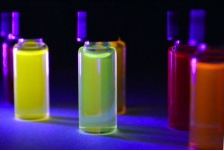
CdTe Quantum Dots, powder, hydrophilic (510 ± 5 nm to 600 ± 5 nm)
View Product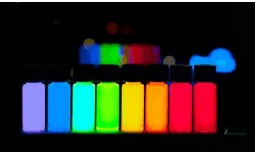
CdTe quantum dots, hydrophilic, dry (5×5 mg)
View Product
Zn-Cu-In-S/ZnS Quantum Dots, Cadmium Free, Hydrophilic (WCF-530 ++30 ..0700)nm
View Product
Quantum Dots, CdTe, Hydrophilic (510nm ++10 ...790nm)
View ProductFrequently Asked Questions
Carbon Quantum Dots (CQDs) are zero-dimensional carbon-based nanomaterials with sizes typically below 10 nanometers. Their unique properties, such as high photoluminescence, excellent biocompatibility, and low toxicity, make them ideal candidates for various biomedical applications, including drug delivery and bioimaging.
CQDs offer several advantages over traditional drug carriers. Their high surface area allows for efficient drug loading, while their surfaces can be easily modified to target specific cells or tissues, minimizing side effects. Their inherent fluorescence also enables real-time tracking of the drug's journey within the body, a key feature of theranostics.
Extensive research indicates that Carbon QDs exhibit excellent biocompatibility and low cytotoxicity compared to many other nanomaterials, especially those based on heavy metals. They are generally considered safe for biomedical applications, though like all new medical technologies, they are subject to rigorous testing and regulatory approval.
Indian researchers and labs can purchase high-purity carbon quantum dots and other nanomaterials for drug delivery systems from specialized suppliers like Hiyka. They provide a wide range of products tailored for R&D in nanomedicine and biotechnology.
Ready to Advance Your Research?
Take the next step in your nanomedicine and therapeutic delivery projects. Explore our comprehensive range of high-quality quantum dots and biocompatible nanomaterials.
Browse Quantum Dots