
Unlocking Thermal Stability: The Power of Phosphonates in Nanomaterials and Polymers for Indian Innovation
Dive deep into how advanced phosphonate chemistry is fortifying materials against extreme temperatures, presenting a critical advantage for India's burgeoning R&D and industrial sectors.
Explore Advanced SolutionsThe Critical Role of Phosphonates in Enhancing Thermal Stability: An Overview for Indian Researchers
India's rapid industrialization and ambitious technological goals, spanning sectors from aerospace to electronics and automotive, necessitate materials that can withstand increasingly extreme operational conditions. A paramount challenge in this pursuit is achieving superior thermal stability and flame retardancy in polymers and composite materials. This is where thermal phosphonates emerge as a game-changer, offering innovative solutions to fortify materials against high temperatures and fire hazards. For Indian researchers and professionals, understanding and leveraging phosphonate chemistry is not just an academic exercise; it's a strategic imperative for national development and global competitiveness.
Phosphonates are a versatile class of organophosphorus compounds characterized by a direct carbon-phosphorus bond. This unique structural feature endows them with exceptional thermal and chemical stability, making them ideal candidates for use as stabilizers, flame retardants, and crosslinking agents in various polymer systems. Specifically, the integration of phosphonate nanomaterials into polymer matrices has opened new avenues for creating nanocomposite phosphonates with unprecedented performance characteristics. These materials exhibit enhanced thermal degradation temperatures, reduced heat release rates, and improved char formation, all critical factors in preventing material failure and ensuring safety.
The mechanism by which phosphonates impart thermal stability is multifaceted. Upon heating, phosphonates can undergo reactions that lead to the formation of a protective char layer on the material's surface. This char acts as a physical barrier, insulating the underlying material from heat and oxygen, and hindering the release of flammable volatile compounds. Furthermore, many phosphonates decompose to release non-combustible gases, diluting flammable gases in the gas phase and further suppressing combustion. Some phosphonates also act as radical scavengers, interrupting the chain reactions of combustion. This comprehensive approach to phosphonate stabilization makes them highly effective in a wide range of applications.
The advent of nanotechnology has amplified the potential of phosphonates. By incorporating phosphonates at the nanoscale, researchers can achieve a more uniform dispersion within the polymer, leading to more efficient and effective thermal protection even at low loading levels. This is particularly relevant for phosphonate polymers, where phosphonate groups are covalently incorporated into the polymer backbone or side chains, offering intrinsic thermal resistance. The synergy between phosphonate chemistry and nanotechnology is driving the development of a new generation of high-performance materials crucial for India's advanced manufacturing sector, from defense technologies to sustainable energy solutions. The focus on indigenous research and development in this area will undoubtedly contribute to India's self-reliance in critical material technologies.
Transformative Benefits for Indian R&D and Industry Professionals
Embracing thermal phosphonates offers a multitude of advantages for researchers and industrial stakeholders in India:
- Enhanced Material Lifespan and Performance: Phosphonates significantly improve the thermal degradation onset temperature and reduce the rate of material decomposition, extending the operational lifespan of components in high-temperature environments. This translates to greater reliability and reduced maintenance costs for industries.
- Development of Advanced Flame-Retardant Materials: With increasing safety regulations, the demand for effective phosphonate flame retardants is growing. Phosphonates enable the creation of materials that meet stringent fire safety standards, crucial for applications in transportation, construction, and consumer electronics.
- Opportunities for Novel Nanocomposite Development: The unique interaction of nano phosphonates with various matrices allows for the design of next-generation nanocomposites with superior mechanical, thermal, and barrier properties, fostering innovation in material science research across India.
- Reduced Material Degradation and Improved Reliability: By stabilizing polymers against thermal oxidation and degradation, phosphonates help maintain the structural integrity and functional performance of materials over extended periods, leading to higher product quality and reliability.
- Contribution to Sustainable Material Solutions: Improving material durability and performance through phosphonate stabilization reduces the need for frequent replacements, contributing to resource efficiency and more sustainable material life cycles, aligning with India's environmental goals.
- Facilitating Innovation in Key Indian Sectors: From defense and aerospace to renewable energy and electronics, phosphonates provide a critical technological edge, enabling Indian industries to develop cutting-edge products and reduce reliance on imported advanced materials.
- Access to Cutting-Edge Research and Application Development: Engaging with phosphonate chemistry positions Indian researchers at the forefront of advanced materials science, fostering collaborations and driving indigenous development in high-performance polymer and composite technologies.
Key Industrial Applications: Where Phosphonates Make a Difference in India
The versatility of phosphonates, particularly high-performance phosphonates and organophosphorus nanomaterials, translates into a broad spectrum of industrial applications that are vital for India's economic and technological growth. These compounds are not just academic curiosities but essential components driving innovation across multiple sectors.
Aerospace & Defense
In the demanding environments of aerospace and defense, materials must withstand extreme temperatures, mechanical stress, and fire hazards. Nanocomposite phosphonates are crucial for developing lightweight, high-strength composites used in aircraft structures, missile components, and protective gear. Their superior thermal stability and flame retardancy ensure operational safety and enhance the longevity of critical systems, contributing to India's strategic capabilities.
Electronics & Electricals
The miniaturization and increased power density in modern electronics lead to significant heat generation. Thermal phosphonates are employed in encapsulation materials, circuit board substrates, and wiring insulation to prevent thermal runaway and improve device reliability. Their ability to maintain structural integrity at high temperatures is indispensable for the performance of smartphones, laptops, and advanced industrial electronics manufactured in India.
Automotive Sector
From engine compartments to interior components, automotive materials require excellent heat resistance and fire safety. Phosphonate polymers and their derivatives are integrated into automotive plastics, foams, and coatings to enhance their thermal stability and flame retardancy. This not only improves passenger safety but also contributes to the longevity and performance of vehicles, aligning with India's growing automotive manufacturing base.
Construction & Infrastructure
Fire safety is a critical concern in building and infrastructure development. Phosphonate flame retardants are increasingly used in insulation materials, structural composites, and paints to meet stringent fire codes. They help prevent the rapid spread of flames and reduce smoke emission, safeguarding lives and property in urban and industrial constructions across India.
Coatings & Adhesives
Protective coatings and adhesives often face harsh environmental conditions, including high temperatures and corrosive agents. Advanced phosphonate coatings provide exceptional thermal stability, corrosion resistance, and adhesion properties. They are vital for protecting metal surfaces, industrial equipment, and pipelines, extending their service life and reducing maintenance needs in various Indian industries.
Textiles & Consumer Goods
In textiles, especially for protective clothing and upholstery, phosphonate flame retardants are employed to impart fire resistance without compromising fabric properties. This ensures consumer safety and meets regulatory requirements for a wide range of products, from home furnishings to specialized industrial textiles, catering to India's vast consumer market.
Navigating India's Future: Trends and Opportunities in Phosphonate Technology
The landscape of advanced materials in India is dynamic, driven by a confluence of government initiatives, burgeoning industrial demands, and a vibrant research ecosystem. In this context, phosphonate technology, particularly thermal phosphonates and phosphonate nanomaterials, presents a fertile ground for innovation and strategic investment, aligning perfectly with national priorities like 'Make in India' and 'Atmanirbhar Bharat' (Self-Reliant India).
One of the most significant trends is the increasing focus on developing sustainable and halogen-free flame retardant solutions. Traditional halogenated flame retardants are facing stricter environmental regulations due to concerns over their toxicity and persistence. This has created a substantial demand for alternative systems, where phosphonate flame retardants, with their often lower environmental impact and effective char-forming mechanisms, are gaining considerable traction. Indian researchers are actively exploring novel phosphonate structures and their synergistic combinations to achieve superior fire safety without compromising environmental integrity.
The rise of smart materials and functional nanocomposites is another key trend. Nano phosphonates are not merely enhancing thermal properties but are also being investigated for their potential in developing multi-functional materials. For instance, phosphonate-modified nanoparticles can impart UV resistance, anti-corrosion properties, or even act as sensors, opening up new product development avenues for Indian industries. The ability to tailor the surface chemistry of these organophosphorus nanomaterials allows for precise control over their interaction with polymer matrices, leading to truly high-performance phosphonates.
Furthermore, the growth of specialized sectors like electric vehicles (EVs) and renewable energy (solar, wind) in India is fueling the demand for materials with exceptional thermal management capabilities. Battery components, power electronics, and structural elements in these applications require materials that can operate reliably under elevated temperatures and prevent thermal runaway. Here, phosphonate stabilization and the use of phosphonate polymers offer robust solutions for enhancing safety and performance, directly contributing to India's clean energy transition.
Opportunities also lie in the development of advanced phosphonate coatings for various industrial assets. These coatings can protect critical infrastructure from fire, corrosion, and extreme temperatures, reducing maintenance costs and extending asset life. Indian research institutions and industries are increasingly collaborating to translate laboratory-scale innovations into commercially viable products, fostering a robust ecosystem for phosphonate technology development and deployment within the country. This collaborative spirit, coupled with strategic investments in R&D, will solidify India's position as a leader in advanced materials science.
Frequently Asked Questions about Thermal Phosphonates
Thermal phosphonates are a class of organophosphorus compounds specifically designed to enhance the thermal stability and flame retardancy of various materials, particularly polymers and nanocomposites. They are crucial for applications requiring materials to withstand high temperatures and resist combustion, which is vital in industries like aerospace, electronics, and automotive. Their importance stems from their ability to form char layers, release non-combustible gases, and act as radical scavengers, thereby protecting the underlying material from thermal degradation.
Phosphonate nanomaterials, such as phosphonate-modified nanoparticles or layered phosphonates, offer superior properties due to their high surface area, nanoscale dispersion, and strong interfacial interactions with polymer matrices. They can significantly improve not only thermal stability and flame retardancy but also mechanical strength, barrier properties, and even electrical conductivity. Their nanoscale integration allows for efficient property enhancement with minimal loading, making them ideal for high-performance nanocomposites relevant to Indian R&D in advanced materials.
In India, phosphonate polymers and nanocomposites find diverse applications across critical sectors. In aerospace and defense, they are used for high-performance composites and coatings. The electronics industry benefits from thermally stable encapsulation materials and circuit board components. The automotive sector utilizes them for lightweight, heat-resistant parts. Additionally, they are crucial for fire-resistant textiles, construction materials, and advanced protective coatings and adhesives, supporting India's push for indigenous manufacturing and technological self-reliance.
Compared to traditional halogenated flame retardants, phosphonates are often considered a more environmentally friendly alternative. Many phosphonate-based systems operate through condensed-phase mechanisms, promoting char formation rather than releasing toxic halogen gases. Research continues to focus on developing phosphonates with improved biodegradability and reduced environmental impact, aligning with global sustainability goals and India's commitment to greener chemistry. However, specific safety profiles depend on the exact phosphonate compound and its application.
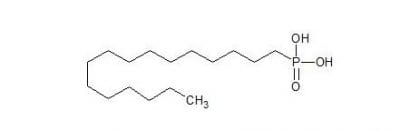
Explore Related Phosphonic Acid Derivatives from Hiyka



Advance Your Research: Partner with Reinste for Innovative Solutions
Ready to explore the potential of thermal phosphonates, phosphonate nanomaterials, and advanced phosphonate polymers for your next project? Reinste is your trusted partner in providing high-quality chemical solutions and expert support.
Connect with Our Experts Today