Unlocking Solar Efficiency: The Power of Phosphonic Acid Derivatives for Next-Gen Photovoltaics in India
Discover how these versatile compounds are revolutionizing solar cell technology, offering enhanced performance and stability for researchers and industries across India.
Learn More
Introduction to Phosphonic Acid Derivatives in Solar Cells
India's ambitious renewable energy targets and burgeoning research landscape demand innovative solutions for enhancing solar energy conversion efficiency and durability. At the forefront of this innovation are phosphonic acid derivatives – a class of organic compounds garnering significant attention for their remarkable properties in materials science, particularly in the realm of solar cells. These versatile molecules, characterized by their strong and stable phosphonate-metal oxide bonds, offer an unparalleled ability to modify surfaces at the nanoscale, making them indispensable for next-generation photovoltaic technologies. Unlike carboxylic acids, phosphonic acids exhibit superior hydrolytic and thermal stability, making them ideal for long-term applications in challenging environmental conditions typical of India. This strong binding capability allows for the formation of robust self-assembled monolayers (SAMs) that can precisely engineer interfacial properties in complex device architectures.
The quest for higher efficiency, lower cost, and greater stability in solar energy systems has driven extensive research into advanced materials. Traditional silicon-based solar cells, while effective, face limitations in terms of manufacturing complexity and material costs. This has paved the way for emerging photovoltaic technologies like perovskite solar cells, dye-sensitized solar cells (DSSCs), and organic solar cells (OSCs), where surface engineering plays a critical role. Here, phosphonic acid derivatives emerge as a game-changer, acting as crucial interface modifiers, charge transport layers, and protective coatings. Their ability to tune work functions, passivate defects, and control charge carrier dynamics is pivotal for unlocking the full potential of these advanced solar technologies.
For Indian researchers and professionals in nanotechnology, materials science, and renewable energy, understanding the potential of phosphonic acid derivatives is paramount. Their ability to form robust self-assembled monolayers (SAMs) on various metal oxide surfaces (such as TiO2, Al2O3, and ITO) allows for precise control over interfacial properties. This control translates directly into improved charge extraction, reduced recombination losses, enhanced device stability, and ultimately, higher power conversion efficiencies in solar devices. Furthermore, the molecular design flexibility of phosphonic acid derivatives allows for the incorporation of various functional groups, enabling tailored interactions with active materials in solar cells. As India pushes towards a sustainable energy future, the role of these advanced nanomaterials in optimizing solar cell performance cannot be overstated. This article delves into the fascinating world of phosphonic acid derivatives, exploring their unique chemistry, diverse applications, and the immense opportunities they present for advancing solar technology in the Indian context, contributing significantly to the nation's energy security and sustainable development goals.
Benefits for Indian Researchers and Innovators
Enhanced Solar Cell Efficiency
Phosphonic acid derivatives significantly improve charge separation and transport at interfaces, leading to higher power conversion efficiencies in various solar cell architectures, including perovskite and dye-sensitized solar cells.
Improved Device Stability and Longevity
By forming robust and chemically stable monolayers, these compounds act as protective barriers, mitigating degradation from moisture, oxygen, and UV radiation, thus extending the operational lifespan of solar devices.
Versatile Surface Modification Capabilities
Their strong binding affinity to metal oxides allows for precise control over surface energy, wettability, and electronic properties, enabling tailor-made interfaces for specific solar cell components and diverse nanomaterials.
Cost-Effective Material Solutions
Compared to complex and expensive fabrication techniques, the use of phosphonic acid derivatives for surface engineering offers a more economical approach to improve solar cell performance, aligning with India's focus on affordable renewable energy.
Facilitating Advanced Nanotechnology Research
These derivatives are crucial tools for researchers working with nanomaterials and nanotechnology, enabling the creation of sophisticated hybrid materials with optimized functionalities for solar energy harvesting.
Broadening Application Spectrum
Beyond traditional solar cells, phosphonic acid derivatives are opening doors for applications in transparent electrodes, flexible solar cells, and other advanced optoelectronic devices, fostering innovation in the Indian industrial sector.
Key Applications in Solar Technology and Beyond
Perovskite Solar Cells (PSCs)
Phosphonic acid derivatives are extensively used as interface modifiers in PSCs to passivate defects, improve charge extraction, and enhance long-term stability, crucial for their commercial viability in India.
Dye-Sensitized Solar Cells (DSSCs)
They serve as effective surface modifiers for TiO2 photoanodes, improving dye adsorption, preventing charge recombination, and boosting overall efficiency of DSSCs, a promising technology for various Indian applications.
Organic Solar Cells (OSCs)
In OSCs, phosphonic acid derivatives are employed to tune the work function of electrodes and enhance interfacial contact, leading to improved performance and stability, vital for flexible solar applications.
Corrosion Inhibition
Beyond solar cells, their strong chelating ability makes them excellent corrosion inhibitors for metals, offering protective coatings for infrastructure and industrial equipment, a significant concern in India's diverse climate.
Catalysis and Sensors
The ability to anchor functional groups to surfaces makes phosphonic acid derivatives valuable in developing heterogeneous catalysts and highly sensitive sensors, contributing to advanced chemical processes and environmental monitoring in India.
Drug Delivery and Biomedicine
Their biocompatibility and ability to functionalize nanoparticles open avenues in drug delivery systems and biomedical implants, showcasing their broad impact across scientific disciplines.
India's Solar Future: Opportunities and Emerging Trends
India is rapidly emerging as a global leader in solar energy deployment, with ambitious targets to achieve 500 GW of renewable energy capacity by 2030. This monumental shift necessitates continuous innovation in solar technology. Phosphonic acid derivatives for solar cells are perfectly positioned to contribute significantly to this national endeavor. The focus on indigenous manufacturing and 'Make in India' initiatives provides a fertile ground for research and development in advanced materials like these, fostering self-reliance in critical renewable energy components. Government schemes and funding for solar research, coupled with a growing pool of skilled scientists and engineers, are accelerating the adoption of cutting-edge materials science.
One of the key trends in India is the increasing emphasis on high-performance, cost-effective, and durable solar solutions for diverse applications, from large-scale solar farms to decentralized rooftop installations. Researchers are actively exploring how phosphonic acid derivatives can be integrated into next-generation perovskite and organic solar cells to overcome challenges such as moisture sensitivity and long-term stability, which are particularly relevant in India's varied climatic conditions, from the humid coastal regions to the arid deserts. The development of novel nanomaterials incorporating phosphonic acid functionalities is also a burgeoning area, promising breakthroughs in light harvesting, charge transport, and the development of flexible and transparent solar cells. This includes research into quantum dots and other nanostructures functionalized with phosphonic acids for enhanced spectral absorption.
Furthermore, the synergy between nanotechnology and solar energy research in India is creating unprecedented opportunities. Academic institutions and industrial R&D centers are collaborating to synthesize tailor-made phosphonic acid derivatives with specific functionalities, optimizing them for different layers within a solar cell device. This includes their use in electron transport layers (ETLs), hole transport layers (HTLs), and passivation layers. The market for specialty chemicals and advanced materials is growing, driven by the demand from the renewable energy sector, creating a robust ecosystem for the production and application of these derivatives domestically. This also extends to their use in developing more efficient and stable photoelectrochemical cells for hydrogen production, aligning with India's green hydrogen mission.
The potential for surface modification using phosphonic acids extends beyond just solar cells. Their application as corrosion inhibitors in solar panel frames and mounting structures can significantly extend the lifespan of installations, reducing maintenance costs and enhancing the overall return on investment, especially in harsh environments. The development of self-cleaning or anti-reflective coatings utilizing phosphonic acid chemistry is another area of active research, aiming to improve the efficiency of solar panels in dusty or humid environments common across India. Moreover, their role in developing advanced battery materials and supercapacitors for energy storage, which is critical for grid stability with increasing solar penetration, is also gaining traction. As the country moves towards greater energy independence and sustainability, the role of advanced materials like phosphonic acid derivatives will be pivotal in shaping the future of solar technology and the broader renewable energy landscape.
Frequently Asked Questions
Related Products for Your Research
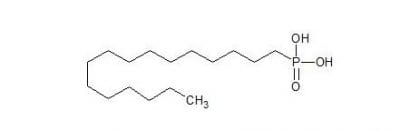


Advance Your Solar Research with Reinste
Explore our comprehensive range of high-quality phosphonic acid derivatives and other advanced materials designed to accelerate your innovations in solar energy and nanotechnology.
Discover Our Products