Unlocking Precision: The Role of Phosphonate Nanoparticles in Targeted Nanomedicine and Bone Drug Delivery for Indian Research
Explore how advanced phosphonate nanoparticle technology is revolutionizing drug delivery, particularly for bone-targeted therapies, offering new avenues for research and clinical applications in India.
Explore Our ResearchPioneering Precision Medicine: Phosphonate Nanoparticles in India's R&D Landscape
In the rapidly evolving landscape of biomedical research, the quest for highly specific and efficient drug delivery systems is paramount. For Indian researchers and professionals, the emergence of Targeted Nanomedicine, particularly through Phosphonate Nanoparticles, represents a significant leap forward. These innovative nanomaterials offer unparalleled precision in delivering therapeutic agents directly to diseased sites, minimizing systemic toxicity and maximizing treatment efficacy. This blog delves into the transformative potential of phosphonate-based nanocarriers, focusing on their crucial role in Nano Drug Delivery and, more specifically, Bone Targeted Delivery. The unique chemical structure of phosphonates, characterized by their P-C bond, provides exceptional stability and a strong affinity for hydroxyapatite, the primary mineral component of bone. This makes them not just promising, but truly indispensable for developing next-generation Phosphonic Biomaterials.
The unique affinity of phosphonate groups for calcium-rich structures, such as bone, is revolutionizing how we approach treatments for bone-related diseases, from osteoporosis and fractures to bone cancers and infections. This targeted approach significantly improves therapeutic efficacy by ensuring the drug accumulates at the site of action, leading to better patient outcomes and potentially lower dosages. For India, with its growing healthcare demands, diverse patient population, and burgeoning pharmaceutical sector, embracing these cutting-edge technologies is not just an opportunity but a necessity. It promises to provide advanced, localized, and effective treatments, addressing unmet medical needs. This exploration aims to inform, inspire, and highlight the vast potential for collaboration and innovation within the Indian scientific community, fostering a new era of Biomedical Nanotech.
Key Benefits for Indian Researchers and Clinicians
-
Precision Targeting
Achieve highly specific drug delivery to bone tissues, reducing off-target effects and enhancing therapeutic outcomes in Targeted Nanomedicine.
-
Reduced Systemic Toxicity
By localizing drug action, Phosphonate Nanoparticles minimize adverse effects on healthy tissues, improving patient safety and compliance.
-
Enhanced Bioavailability at Target Site
Deliver higher concentrations of therapeutic agents where they are needed most, leading to more effective treatment outcomes for Bone Targeted Delivery.
-
Versatile Therapeutic Platforms
Adaptable for various drugs, including small molecules, proteins, and genes, expanding the scope of Nano Drug Delivery applications.
-
Innovative Research Tools
Provide novel tools for studying bone biology, disease progression, and regenerative medicine, fostering breakthroughs in Phosphonic Biomaterials research.
-
Cost-Effective Development Potential
With localized production and optimized delivery, these technologies hold promise for developing more affordable treatments, crucial for the Indian healthcare market.
Transforming Industry: Key Applications of Phosphonate Nanoparticles
Orthopedic Implants & Bone Regeneration
Phosphonate-functionalized nanoparticles enhance osseointegration and deliver growth factors or antibiotics directly to implant sites, preventing infections and promoting faster healing in Bone Targeted Delivery.
Targeted Cancer Therapy
For bone metastases or osteosarcoma, Phosphonate Nanoparticles can deliver chemotherapeutic agents specifically to bone tumor cells, reducing systemic side effects of Targeted Nanomedicine.
Advanced Diagnostics & Imaging
Integrating imaging agents with phosphonate nanocarriers allows for precise visualization and early detection of bone pathologies, enhancing diagnostic accuracy in Biomedical Nanotech.
Anti-Infective Bone Therapies
Delivering antibiotics directly to bone infection sites, such as osteomyelitis, using Nano Drug Delivery strategies improves treatment outcomes and combats antibiotic resistance.
Surface Functionalization & Coatings
Phosphonic acid derivatives are critical in creating Nanocoatings Chemistry for medical devices, enhancing biocompatibility and preventing biofouling.
Smart Nanomaterials for Drug Release
Developing Smart Nanomaterials that release drugs in response to specific physiological cues, offering controlled and sustained therapeutic effects.
India's Ascent in Nanomedicine: Opportunities and Future Trends
India is rapidly emerging as a global hub for scientific research and technological innovation, particularly in the Biomedical Nanotech sector. The "Make in India" initiative, coupled with increasing government and private sector investment in R&D, is creating fertile ground for advancements in Targeted Nanomedicine. Indian researchers are uniquely positioned to leverage their expertise in chemistry and materials science to drive the development of novel Phosphonate Nanoparticles and Phosphonic Biomaterials. This includes exploring new synthetic routes, optimizing surface functionalization techniques, and scaling up production for clinical translation. The emphasis is not just on adoption but on homegrown innovation that can address specific health challenges prevalent in the Indian subcontinent.
A key trend observed is the growing emphasis on indigenous innovation and the development of cost-effective solutions tailored for the Indian population. This involves not only the design of advanced Nano Drug Delivery systems but also their integration with traditional and modern medical practices, ensuring cultural relevance and accessibility. Collaborative research between leading academic institutions like AIIMS, IITs, and CSIR labs, alongside pharmaceutical companies and clinical centers, is crucial for translating laboratory breakthroughs into tangible patient benefits. Furthermore, the focus on Bone Targeted Delivery is gaining significant momentum, given the high prevalence of bone-related disorders in India, including osteoporosis, rickets, and tuberculosis-related bone infections, which demand precise and effective therapeutic interventions.
The future of nanomedicine in India will likely see significant advancements in Nanocoatings Chemistry for implants, smart drug delivery systems responsive to physiological stimuli, and the innovative use of Organophosphorus Catalysis in synthesizing new, more efficient phosphonate derivatives. As the regulatory framework evolves to support the safe and effective deployment of nanomedicine, India is poised to become a leader in developing and deploying these Smart Nanomaterials. This will not only elevate India's standing in global scientific research but also offer immense hope for more effective, accessible, and personalized treatments for millions across the nation and beyond. The synergy between advanced materials science and clinical needs will define the next decade of Targeted Nanomedicine in India.
Frequently Asked Questions about Phosphonate Nanoparticles
Explore Related Phosphonic Acid Derivatives

n-Octadecylphosphonic Acid
View Product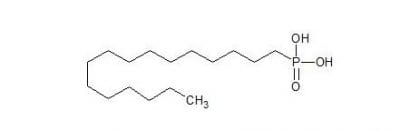
n-Hexadecylphosphonic Acid
View Product
n-Tetradecylphosphonic Acid
View Product
n-Dodecylphosphonic Acid
View ProductReady to Advance Your Research in Nanomedicine?
Connect with Reinste to explore our range of high-quality phosphonic acid derivatives and collaborate on groundbreaking Nano Drug Delivery and Targeted Nanomedicine projects.
Get in Touch Today