
Unlocking Innovation: The Power of Phosphonic Acid Derivatives in Pigment Dispersion for Indian Industries
Discover how these advanced chemical compounds are revolutionizing material science, offering unparalleled stability and vibrant color in diverse applications across India's rapidly growing industrial landscape.
Explore Our Phosphonic Acid Derivatives
Introduction to Phosphonic Acid Derivatives and Pigment Dispersion
In the dynamic world of materials science and chemical engineering, the quest for superior performance often hinges on the subtle yet profound impact of specialized additives. Among these, phosphonic acid derivatives stand out as a class of compounds with immense potential, particularly in the critical domain of pigment dispersion. For Indian researchers and professionals, understanding and harnessing the capabilities of phosphonate chemistry is not just an academic exercise but a gateway to unlocking innovation in various industrial sectors.
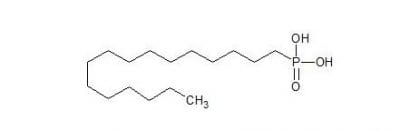
Pigment dispersion is the process of uniformly distributing solid pigment particles within a liquid medium, a fundamental step in manufacturing paints, coatings, inks, plastics, and even cosmetics. Poor dispersion leads to undesirable outcomes: reduced color strength, inconsistent shade, sedimentation, and compromised product stability. This is where organic phosphonates step in, acting as powerful dispersants and surface modifiers. Their unique molecular structure, featuring a phosphonic acid group, allows them to strongly adsorb onto the surface of pigment particles. This adsorption creates a steric or electrostatic barrier, preventing particles from re-aggregating and ensuring a stable, homogenous dispersion.
The relevance for India is paramount. With a burgeoning manufacturing sector, a strong emphasis on "Make in India" initiatives, and a growing demand for high-performance materials, the need for advanced solutions in surface modification and material stabilization is ever-increasing. From automotive coatings that demand pristine finishes to textile dyes requiring vibrant, long-lasting colors, phosphonic acid derivatives offer a technological edge. Their role extends beyond traditional applications, finding utility in nanomaterials synthesis and nanotechnology applications, where precise control over particle size and distribution is crucial. Indian researchers are at the forefront of exploring these compounds for next-generation materials, driving advancements in advanced materials and chemicals research.
Key Benefits for Indian Researchers and Industries
- Enhanced Dispersion Stability: Phosphonates create robust, long-lasting steric and electrostatic repulsion between pigment particles, preventing re-aggregation, sedimentation, and flocculation.
- Improved Color Strength and Gloss: Finer, more uniform pigment dispersion leads to higher color strength, better tinting efficiency, and an enhanced gloss in the final product.
- Reduced Pigment Loading: Superior dispersing capabilities often allow desired color intensity with less pigment, translating into significant cost savings for manufacturers.
- Versatility Across Pigment Types: Broad compatibility with organic and inorganic pigments, as well as complex mixed systems, makes them a versatile tool.
- Superior Wetting Properties: These compounds effectively reduce surface tension, facilitating better wetting and de-agglomeration of pigment particles during the milling process.
- Thermal and Chemical Stability: Phosphonate groups offer inherent stability, suitable for applications requiring resistance to heat, UV radiation, and various chemical environments.
- Opportunities in Nanotechnology: Indispensable for nanomaterials synthesis, enabling the stabilization of nanoparticles for diverse nanotechnology applications.
- Environmental Considerations: Many derivatives offer low toxicity and biodegradability, aligning with India's focus on sustainable chemistry.
Diverse Applications of Phosphonic Acid Derivatives in Indian Industries
Paints and Coatings Industry
Crucial for architectural, automotive, industrial, and marine coatings, ensuring vibrant, long-lasting colors, enhanced opacity, and superior weatherability through uniform pigment dispersion.
Inks and Printing
Essential for high-speed digital and traditional printing, enabling sharp images, consistent color reproduction, and clog-free operation for various printed materials.
Plastics and Composites
Improves compatibility between pigments and polymer matrices, leading to consistent color and enhanced mechanical properties in plastic products and polymer nanocomposites.
Cosmetics and Personal Care
Ensures fine dispersion and stability of pigments and mineral UV filters in products like foundations and sunscreens, contributing to smooth application and uniform coverage.
Ceramics and Advanced Materials
Acts as processing aids, improving the dispersion of ceramic powders in slurries for homogenous green bodies, leading to stronger, defect-free final products in advanced materials.
Electronics and Optoelectronics
Enables precise control over the dispersion of functional nanoparticles and pigments for highly efficient and stable functional layers in nanotechnology applications.
Opportunities and Emerging Trends in India
India’s rapidly evolving industrial landscape presents significant opportunities for the application and innovation in phosphonic acid derivatives and phosphonate chemistry, particularly concerning pigment dispersion and surface modification. Several key trends underscore this potential:
- "Make in India" and Domestic Manufacturing Growth: The push towards self-reliance increases demand for high-quality, locally sourced chemical inputs, making phosphonic acid derivatives crucial for enhancing product performance and driving chemicals research.
- Sustainable Chemistry and Green Formulations: Growing environmental awareness drives exploration of biodegradable and low-VOC phosphonate derivatives, aligning with global green chemistry trends.
- Rise of Nanotechnology and Advanced Materials: India's strong focus on nanomaterials synthesis and nanotechnology applications relies heavily on phosphonic acid derivatives for stable nanoparticle dispersion.
- Infrastructure Development and Smart Cities: India's massive infrastructure projects and the development of smart cities demand high-performance construction materials, including durable paints and coatings. Phosphonic acid derivatives contribute to the longevity and aesthetic appeal of these materials by ensuring superior pigment dispersion and film integrity, offering resistance to harsh environmental conditions.
- Customization and Speciality Chemicals: The market for tailored phosphonic acid derivatives designed for unique pigment systems or demanding application environments is growing, fostering innovation in organic phosphonates.
- Academic and Industrial Collaboration: Synergy between Indian academic institutions and industrial players accelerates research into phosphonic acid and its derivatives, driving advancements in advanced materials science.
- Digitalization and AI in Material Science: Leveraging computational chemistry and AI helps predict and optimize the behavior of different phosphonate chemistry structures for efficient product development.
Frequently Asked Questions
Conclusion: Shaping the Future of Materials in India
The landscape of material science in India is undergoing a significant transformation, driven by innovation, sustainability, and a commitment to domestic manufacturing. At the heart of this evolution are specialized chemical compounds like phosphonic acid derivatives, which are proving to be indispensable in critical processes such as pigment dispersion. As we have explored, their unique chemical properties allow for superior stabilization of pigments, leading to products with enhanced color strength, gloss, and overall durability.
For Indian researchers and industries, embracing phosphonate chemistry means unlocking a competitive edge in a global market. From the vibrant hues of automotive paints to the precise formulations in advanced electronic components, the impact of these derivatives is far-reaching. The "Make in India" initiative, coupled with a growing emphasis on green chemistry and nanotechnology applications, creates a fertile ground for further research and development in this domain. Indian scientists are actively engaged in exploring novel organic phosphonates for diverse uses, including nanomaterials synthesis and intricate surface modification techniques.
The journey towards creating high-performance, sustainable, and cost-effective materials is continuous. Phosphonic acid and its derivatives offer a robust platform for this journey, enabling breakthroughs in various sectors. By leveraging these advanced materials, Indian industries can not only meet but exceed international quality standards, fostering innovation and contributing significantly to the nation's economic growth. We encourage all researchers, formulators, and industry leaders to delve deeper into the potential of these remarkable compounds and partner with leading suppliers to integrate cutting-edge solutions into their product development pipelines. The future of advanced materials in India is bright, and phosphonic acid derivatives are set to play a pivotal role in shaping it.
Explore Our Related Phosphonic Acid Derivatives


Ready to Innovate with Phosphonic Acid Derivatives?
Unlock new possibilities in your research and industrial applications. Explore our comprehensive range of high-quality phosphonic acid derivatives and discover how they can transform your pigment dispersion challenges into success stories.
View All Products