Unlocking Innovation: The Power of Phosphonic Acid Derivatives in Nanomaterial Synthesis and Surface Modification for Indian R&D
Explore how phosphonic acid derivatives are revolutionizing organophosphonate synthesis, phosphonic acid nanotechnology, and advanced phosphonate surface modification, driving advancements crucial for India's scientific and industrial landscape.
Explore Phosphonic Acid ApplicationsIntroduction to Phosphonic Acid Derivatives: A Game-Changer for Indian R&D
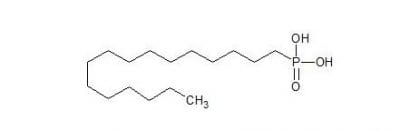
In the dynamic landscape of materials science and chemical synthesis, phosphonic acid derivatives have emerged as indispensable tools, offering unparalleled versatility and performance. These remarkable organic compounds are characterized by a unique and robust carbon-phosphorus (P-C) bond, which grants them exceptional chemical stability, making them highly resistant to hydrolysis and oxidation. This inherent stability, coupled with their strong chelating ability and excellent adhesion to a wide range of metal oxides, sets them apart from other functional groups like carboxylates or silanes.
At the forefront of innovation, phosphonic acid derivatives are revolutionizing organophosphonate synthesis, driving advancements in phosphonic acid nanotechnology, and enabling sophisticated phosphonate surface modification techniques. For Indian researchers and professionals, understanding and harnessing the immense potential of these derivatives is crucial for pushing the boundaries of scientific discovery and fostering industrial growth. Their ability to form robust and stable bonds with various substrates, especially metal oxides, makes them ideal candidates for creating high-performance phosphonate nanomaterials and precisely engineered self-assembled monolayers (SAMs).
From enhancing the durability and functionality of engineering materials to enabling precise control over nanoscale architectures for advanced electronics and biomedical devices, phosphonic acids offer elegant solutions to complex challenges. India's burgeoning R&D sector, with its increasing focus on indigenous innovation and self-reliance, stands to benefit significantly from these versatile compounds. This blog delves into the multifaceted world of phosphonic acid derivatives, exploring their unique chemistry, diverse applications, and the immense opportunities they present for India's scientific and industrial future.
Join us as we uncover how these compounds are not just chemicals, but powerful catalysts for innovation, shaping the future of engineering, medicine, and environmental science across the nation, and contributing to a more sustainable and technologically advanced India.
Key Benefits for Indian Researchers and Professionals
-
Enhanced Material Performance and Durability
Phosphonic acid derivatives enable the creation of materials with significantly superior properties. They improve adhesion to diverse substrates like metals, ceramics, and polymers, leading to more durable coatings and composites. Furthermore, their integration can impart enhanced corrosion inhibition, improved thermal stability, and even flame retardancy, which are critical for applications in harsh environments, from automotive to aerospace industries in India.
-
Versatile and Precise Surface Functionalization
These compounds provide a robust and highly controllable platform for phosphonate surface modification. Researchers can precisely tune surface properties, such as hydrophobicity, hydrophilicity, or bioactivity, by attaching specific organic chains to the phosphonic acid headgroup. This precision is invaluable for developing smart surfaces, anti-fouling coatings, and advanced interfaces for biosensors and medical implants.
-
Advancements in Nanotechnology and Nanomaterials
Crucial for phosphonic acid nanotechnology, these derivatives facilitate the controlled synthesis, stabilization, and functionalization of phosphonate nanomaterials. They act as effective ligands to control nanoparticle growth, prevent aggregation, and enable the stabilization of quantum dots for optoelectronics or magnetic nanoparticles for biomedical imaging. This opens new avenues for novel nanoscale devices and systems, aligning with India's focus on advanced materials research.
-
Sustainable and Efficient Manufacturing Processes
The use of phosphonic acid-based solutions often leads to more efficient synthetic routes and the development of longer-lasting materials. Improved material longevity reduces the need for frequent replacement, thereby decreasing waste and resource consumption. This contributes significantly to sustainable practices and resource optimization across various Indian industries, supporting the nation's green initiatives and circular economy goals.
-
Broad and Interdisciplinary Application Spectrum
From biomedical engineering (e.g., drug delivery, bone regeneration) to energy storage (e.g., electrode modification in batteries), environmental remediation (e.g., heavy metal adsorption), and advanced electronics, the broad applicability of these derivatives provides researchers with powerful tools for interdisciplinary innovation. This versatility fosters cross-sectoral growth and problem-solving capabilities within India's diverse R&D landscape.
-
Long-term Cost-Effectiveness and Economic Value
By significantly improving material lifespan, reducing maintenance requirements, and enhancing overall product performance, phosphonic acid-based solutions can lead to substantial long-term cost savings for industries. This translates into increased economic value, improved competitiveness, and better return on investment for Indian manufacturers and service providers utilizing these advanced chemical tools.
Diverse Applications of Phosphonic Acid Derivatives in Industry
Corrosion Inhibition & Protective Coatings
Phosphonic acids are paramount in forming strong, highly ordered self-assembled monolayers (SAMs) on various metal and metal oxide surfaces. These SAMs act as highly effective corrosion inhibition agents, creating a robust barrier that prevents corrosive species from reaching the substrate. This is critical for protecting vital infrastructure, automotive components, marine vessels, and electronic devices from degradation, significantly extending their lifespan and reducing costly maintenance, a key focus for industrial sustainability in India.
Advanced Drug Delivery Systems & Biomedical Applications
In the biomedical field, phosphonate nanomaterials are utilized for advanced drug delivery, enabling targeted therapy and controlled release of active pharmaceutical ingredients. Their robust binding to bone tissue makes them particularly valuable in orthopedics for bone regeneration and implant functionalization. Through precise nanomaterial functionalization, phosphonic acids help create biocompatible surfaces and smart drug carriers that can bypass biological barriers and enhance therapeutic efficacy, addressing critical healthcare needs in India.
Catalysis & Efficient Chemical Synthesis
As ligands, supports, or even active components, phosphonic acid derivatives play a significant role in catalysis. They facilitate efficient chemical reactions, enable chiral synthesis, and enhance the performance of heterogeneous catalysts by providing stable anchoring points for active metal nanoparticles. This is key to developing new, more sustainable, and cost-effective phosphonic acid derivatives for chemical synthesis of complex organic molecules, pharmaceuticals, and fine chemicals, crucial for India's growing chemical industry.
Sensors, Electronics & Energy Devices
The precise surface functionalization capabilities of phosphonic acids are extensively utilized in the development of highly sensitive and selective biosensors and chemical sensors for environmental monitoring and medical diagnostics. They are also integral in advanced electronic components, contributing to the miniaturization and enhanced efficiency of devices. In energy, they are used for electrode modification in fuel cells, batteries, and supercapacitors, improving performance and longevity, critical for India's renewable energy goals.
India's Growing Frontier: Trends and Opportunities in Phosphonate Research
India's scientific and industrial ecosystem is witnessing a significant surge in research and development, driven by strategic national initiatives and a growing demand for advanced materials and sustainable technologies. This environment creates fertile ground for the widespread adoption and innovation in organophosphonate synthesis and phosphonic acid nanotechnology. The 'Make in India' initiative, coupled with a strong focus on 'Atmanirbhar Bharat' (self-reliant India), is actively driving demand for indigenous solutions that leverage cutting-edge chemistry, positioning phosphonic acid derivatives as key enablers.
Researchers across premier Indian institutions like the IITs, IISc, and CSIR laboratories are increasingly exploring phosphonate nanomaterials for a multitude of applications. These range from enhanced agricultural inputs (e.g., controlled-release fertilizers, pesticides) to advanced medical diagnostics and therapeutics. The development of robust phosphonate coatings for improved durability of industrial equipment, defense assets, and consumer goods is a major area of focus. Furthermore, sophisticated phosphonate surface modification techniques are being investigated for critical applications such as water purification (e.g., heavy metal removal, membrane functionalization) and enhancing the efficiency of solar cells and other energy conversion devices.
The exploration of novel hybrid materials, including Metal-Organic Frameworks (MOFs) incorporating phosphonic acid linkers, is opening new avenues for gas storage, separation, and advanced catalysis. These advancements directly align with India's energy security goals and environmental sustainability efforts. The academic and industrial collaboration is intensifying, fostering an ecosystem where the synthesis of new phosphonic acid derivatives for chemical synthesis is directly linked to addressing real-world challenges and creating market-ready solutions.
This collaborative spirit, combined with India's robust talent pool and increasing R&D investment from both public and private sectors, positions the nation as a significant player in advancing research on
Phosphonic acid derivatives are organic compounds containing a phosphonic acid group (-PO(OH)2) directly bonded to a carbon atom. This unique P-C bond grants them exceptional chemical stability, making them highly resistant to hydrolysis and oxidation, unlike their carboxylic acid counterparts. They are highly versatile due to their strong chelating ability, excellent adhesion to metal oxides, and ability to form robust self-assembled monolayers (SAMs). These properties make them invaluable in various applications, from precise surface modification of advanced materials to targeted drug delivery systems. In nanomaterial synthesis, phosphonic acids act as crucial capping agents, surface ligands, or even precursors. They play a vital role in controlling the size, shape, and stability of nanoparticles, preventing undesirable aggregation, and enabling precise surface functionalization. This is critical for creating tailored phosphonate nanomaterials with specific optical, electronic, magnetic, or catalytic properties. For instance, they are used to stabilize quantum dots for display technologies or to functionalize metallic nanoparticles for advanced catalysts, essential for cutting-edge Indian R&D in materials science and engineering. Phosphonate nanomaterials find incredibly diverse applications across multiple sectors. These include superior corrosion inhibition for industrial infrastructure and defense assets, advanced drug delivery systems that can target specific cells, highly sensitive biosensors for medical diagnostics, efficient catalysts for a wide range of chemical reactions, and critical components in next-generation energy storage devices like batteries and supercapacitors. Their ability to form stable and highly adhesive bonds with various substrates makes them ideal for robust protective coatings and sophisticated functional surfaces. India's rapidly expanding focus on indigenous innovation, advanced manufacturing, and sustainable technologies fuels a significant demand for high-performance materials. Phosphonic acid derivatives offer cutting-edge solutions for enhancing material durability, developing novel functional coatings, and advancing critical research in areas like biomedical engineering, renewable energy, and environmental remediation. Their versatility directly aligns with national initiatives such as 'Make in India' and 'Atmanirbhar Bharat', promoting self-reliance and global competitiveness in advanced materials research and production. Reinste offers a comprehensive range of high-quality phosphonic acid derivatives tailored for your specific research and industrial needs. Partner with us to unlock new possibilities in nanomaterial functionalization, phosphonate coatings, and organophosphonate synthesis. As we have explored, phosphonic acid derivatives are far more than just chemical compounds; they are fundamental building blocks for the next generation of advanced materials and technologies. Their unmatched stability, versatile binding capabilities, and ability to enable precise phosphonate surface modification make them indispensable across a spectrum of applications, from enhancing material durability to revolutionizing drug delivery and energy solutions. For Indian researchers and industries, embracing the power of phosphonic acid nanotechnology and advanced organophosphonate synthesis is not merely an academic pursuit but a strategic imperative. These compounds offer the keys to developing indigenous, high-performance solutions that align with national goals of self-reliance, sustainability, and global competitiveness. By investing in research, development, and application of these versatile derivatives, India can solidify its position as a leader in materials science and technological innovation. The journey of discovery and application of phosphonic acid derivatives is an exciting one, promising a future where materials are smarter, systems are more efficient, and solutions are more sustainable. Reinste is committed to supporting this journey by providing high-quality phosphonic acid derivatives and fostering knowledge exchange within the scientific community.Frequently Asked Questions about Phosphonic Acid Derivatives
Explore Our Related Phosphonic Acid Derivatives
Ready to Advance Your Research with Phosphonic Acid Derivatives?
Get in Touch with Reinste
The Future is Phosphonic: Driving India's Innovation Engine