Enhanced Surface Modification
Phosphonic acid derivatives offer precise control over surface properties, enabling the creation of tailored functional coatings for specific applications, crucial for advanced surface chemistry research.

Explore how phosphonic acid derivatives are revolutionizing surface chemistry, offering advanced solutions for researchers and professionals in India's growing material science landscape, particularly in functional coatings and thin films.
Explore ApplicationsIn the rapidly evolving landscape of material science and nanotechnology, phosphonic acid derivatives have emerged as pivotal compounds, offering unprecedented control over surface chemistry. For Indian researchers and professionals, understanding and leveraging these versatile molecules is crucial for driving innovation across various industrial sectors. Their unique chemical structure, featuring a highly stable P-C bond and reactive phosphonic acid groups, enables them to form robust, self-assembled monolayers (SAMs) on a multitude of substrates, including metals, metal oxides, and polymers. This capability is transforming the development of functional coatings and thin films, paving the way for next-generation materials with enhanced performance and novel properties.
The relevance of phosphonic acid compounds extends far beyond basic research. In India, where there's a burgeoning demand for advanced materials in sectors like automotive, aerospace, electronics, and biomedical engineering, these derivatives provide a cost-effective and efficient pathway to achieve superior material performance. From anti-corrosion treatments and wear-resistant coatings to biocompatible surfaces and advanced sensors, the applications are vast and impactful. This blog delves into the synthesis, properties, and diverse applications of phosphonic acid derivatives, highlighting their significance for the Indian R&D community and industry. We will explore how these nano-chemicals are shaping chemical trends and opening new avenues for nanotech applications, making them an indispensable tool in modern material engineering.
Phosphonic acid derivatives offer precise control over surface properties, enabling the creation of tailored functional coatings for specific applications, crucial for advanced surface chemistry research.
Their strong chelating capabilities lead to robust adhesion to various substrates, significantly improving the durability and lifespan of thin films and protective layers.
Ideal for developing high-performance anti-corrosion and wear-resistant functional coatings, critical for infrastructure and industrial machinery in challenging Indian environments.
The ease of derivatives synthesis allows for the creation of a wide range of compounds with varied functionalities, catering to diverse research needs in nanomaterials and nano-chemicals.
Certain phosphonic acid derivatives can be engineered for biocompatibility, opening doors for advanced medical implants and drug delivery systems, a growing area in Indian healthcare research.
Contribute to the development of eco-friendly and sustainable materials by reducing the need for toxic surface treatments, aligning with India's green initiatives and chemical trends.
In these high-stakes industries, phosphonic acid derivatives enhance corrosion resistance and adhesion of paints and coatings on metal surfaces, crucial for vehicle longevity and aircraft safety. They are vital for creating lightweight, durable functional coatings that withstand extreme conditions, contributing to fuel efficiency and reduced maintenance costs. The precise surface chemistry control they offer is unparalleled for demanding environments.
For advanced electronic devices, these derivatives are used to create ultra-thin films, dielectric layers, and protective coatings for semiconductors. They enable the precise patterning and functionalization of surfaces, critical for developing high-performance transistors, sensors, and OLED displays. Their role in nanomaterials and nano-chemicals is indispensable for miniaturization and enhancing device efficiency.
In the medical field, phosphonic acid derivatives are instrumental in developing biocompatible coatings for implants, drug-eluting stents, and diagnostic tools. They can prevent biofouling, improve cell adhesion, or enable targeted drug delivery. Their ability to modify surfaces at a molecular level is crucial for creating safe and effective medical devices, aligning with stringent healthcare standards and material science advancements.
One of the most significant applications is in robust corrosion protection. Phosphonic acid compounds form stable passivation layers on metal surfaces, offering superior protection against environmental degradation. They are also used in anti-fouling coatings for marine applications and water treatment systems, where their surface chemistry properties prevent the accumulation of unwanted biological growth.
These derivatives play a role in developing advanced materials for solar cells, fuel cells, and battery electrodes by improving interfacial charge transfer and stability. In environmental applications, they are used in catalysts, adsorbents for water purification, and gas separation membranes, showcasing their versatility in addressing global challenges and contributing to sustainable chemical trends.
In textiles, phosphonic acid derivatives can impart flame retardancy, water repellency, and antimicrobial properties to fabrics. They are also integral to the development of smart materials, enabling responsive surfaces and advanced functionalities in clothing and technical textiles, pushing the boundaries of nanotech applications.
India is witnessing a significant surge in research and development activities across various scientific disciplines, with a particular emphasis on material science and nanotechnology. The unique properties of phosphonic acid derivatives position them at the forefront of this innovation wave. Indian academic institutions and industrial R&D centers are increasingly exploring their potential in creating advanced functional coatings for diverse applications, from enhancing the lifespan of critical infrastructure to developing next-generation medical devices. The focus is on indigenous solutions that are both high-performance and cost-effective, perfectly aligning with the versatility and synthetic accessibility of phosphonic acid compounds.
Key chemical trends in India point towards a growing demand for specialized nano-chemicals that can address specific industrial challenges. For instance, the automotive sector's drive towards lighter, more durable, and corrosion-resistant components offers a fertile ground for phosphonic acid derivatives. Similarly, the burgeoning electronics manufacturing industry requires sophisticated thin films and surface modifiers for improved device performance and reliability. Indian researchers are actively engaged in optimizing derivatives synthesis routes to produce these compounds efficiently and sustainably. Furthermore, the emphasis on renewable energy and environmental protection fuels research into using phosphonic acid in catalysts and adsorbents, showcasing a holistic approach to scientific advancement.
The government's 'Make in India' initiative and increasing investments in scientific infrastructure are creating unprecedented opportunities for collaborative research between academia and industry. This synergy is crucial for translating laboratory breakthroughs in surface chemistry and nanomaterials into marketable products. As India aims to become a global hub for advanced manufacturing and technological innovation, the role of specialized compounds like phosphonic acid derivatives will only grow, driving the development of smart, sustainable, and high-performance materials across the nation. This dynamic environment makes India a prime location for research, development, and application of these transformative nano-chemicals.
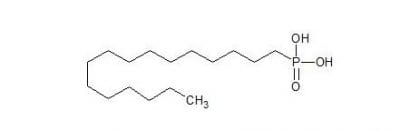
Phosphonic acid derivatives are organic compounds containing a phosphonic acid group (-PO(OH)2) or its esters/salts. They are highly versatile due to their strong chelating ability, excellent adhesion to various surfaces, and thermal stability. These properties make them invaluable in surface chemistry for modifying materials at a molecular level, enabling the creation of advanced functional coatings and thin films. Their robust bonding with metal oxides and other substrates is particularly beneficial for high-performance applications.
In functional coatings, phosphonic acid derivatives serve multiple critical roles. They are used as adhesion promoters, corrosion inhibitors, surface modifiers, and components in self-assembled monolayers (SAMs). By forming strong, stable bonds with substrates, they enhance the durability, protective qualities, and specific functionalities of coatings. This includes creating hydrophobic or hydrophilic surfaces, improving biocompatibility for medical devices, or enabling novel electronic properties in thin films. Their ability to tailor surface properties is key to developing next-generation materials.
Indian researchers can leverage phosphonic acid derivatives for their cost-effectiveness, versatility, and potential for sustainable material development. They offer precise control over surface properties, enabling innovation in diverse fields from automotive and aerospace to biomedical and electronics. Their application in developing advanced nanomaterials and functional coatings aligns perfectly with India's growing focus on indigenous R&D and advanced manufacturing, providing a pathway to create high-performance, specialized materials crucial for various industrial sectors.
For high-quality phosphonic acid derivatives, researchers and professionals can explore specialized chemical suppliers like Reinste and Hiyka. These platforms offer a range of derivatives suitable for various applications in material science, surface chemistry, and nanotechnology. It is crucial to source from reputable suppliers to ensure product purity, consistency, and technical support, which are vital for successful research and development in advanced functional materials.



Connect with Reinste and Hiyka to explore our extensive range of phosphonic acid derivatives and specialized nano-chemicals for your next breakthrough in functional coatings and thin films. Our experts are here to support your journey in material science.
Contact Our Team Today