Unlocking Advanced Materials: The Power of Phosphonate Chemistry in Surface Functionalization and Nanocoating Development
Discover how phosphonic acid derivatives are revolutionizing adhesion science, corrosion protection, and smart materials synthesis for Indian researchers and industries.
Explore Our SolutionsIntroduction to Phosphonate Chemistry and its Impact on Indian R&D
In the rapidly evolving landscape of materials science, phosphonate chemistry stands out as a cornerstone for developing advanced functional materials. Especially for Indian researchers and professionals, understanding the nuances of phosphonic acid derivatives for surface coatings offers unparalleled opportunities. These versatile compounds are celebrated for their exceptional ability to form stable, robust bonds with a wide array of substrates, making them indispensable in surface functionalization, adhesion science, and nanocoating development.
From enhancing corrosion protection in critical infrastructure to enabling the creation of novel smart materials synthesis, phosphonates provide a chemical toolkit for tailoring material properties at the atomic level. Their unique molecular structure allows for strong interactions with metal oxides, ceramics, and even organic polymers, facilitating the creation of hybrid nanomaterials with superior performance characteristics. This blog delves into the profound impact of phosphonate chemistry, highlighting its relevance and potential for innovation within India's burgeoning research and industrial sectors.
As India pushes the boundaries in advanced manufacturing and scientific discovery, the strategic application of thin film technology and chemical surface engineering becomes paramount. Phosphonic acid derivatives, with their proven efficacy, are key enablers in this journey, promising solutions that are not only technologically superior but also environmentally conscious.
Key Benefits for Indian Researchers and Professionals
-
Superior Surface Adhesion
Phosphonates form strong, covalent bonds with metal oxides and other substrates, significantly improving adhesion for coatings, paints, and adhesives, crucial for durability in diverse Indian climates.
-
Enhanced Corrosion Protection
By creating dense, protective layers on metal surfaces, phosphonic acid derivatives offer excellent corrosion protection, extending the lifespan of infrastructure and industrial components.
-
Versatile Surface Functionalization
Their bifunctional nature allows for precise surface functionalization, enabling the attachment of various organic molecules to inorganic surfaces for tailored properties.
-
Advanced Nanocoating Development
Essential for creating ultra-thin, high-performance nanocoatings for electronics, biomedical devices, and automotive applications, meeting India's growing technological demands.
-
Biocompatibility and Bio-interfaces
Certain phosphonate derivatives can be engineered for biocompatibility, opening avenues for advanced medical implants and drug delivery systems in India's healthcare sector.
-
Catalysis and Smart Materials
Phosphonates play a role in organophosphorus catalysis and the synthesis of smart materials, offering innovative solutions for energy and environmental challenges.
Diverse Industrial Applications of Phosphonic Acid Derivatives
Automotive & Aerospace
Phosphonate-based coatings provide superior corrosion protection and enhanced adhesion for lightweight alloys, crucial for improving vehicle durability and fuel efficiency. They are vital in preparing surfaces for painting and bonding, ensuring long-lasting performance in demanding environments.
Biomedical Devices
In the biomedical field, phosphonates are used for surface functionalization of implants and prosthetics, promoting biocompatibility, controlling cell adhesion, and enabling targeted drug delivery. This is a rapidly growing area in Indian healthcare innovation.
Electronics & Semiconductors
For advanced electronics, nanocoating development using phosphonic acids creates insulating layers, improves dielectric properties, and enhances the reliability of microelectronic components and sensors, a key area for India's digital future.
Construction & Infrastructure
Phosphonates are employed in concrete additives and protective coatings to prevent corrosion of rebar, enhance water repellency, and improve the overall durability of buildings and bridges, critical for India's infrastructure development.
Textiles & Coatings
They enable the creation of functional textiles with enhanced water resistance, flame retardancy, and antimicrobial properties. In traditional coatings, they serve as adhesion promoters and corrosion inhibitors, improving product longevity.
Energy & Environment
Phosphonates contribute to sustainable solutions by improving the efficiency of solar cells, enhancing catalysts for cleaner energy production, and developing adsorbents for environmental remediation, aligning with India's green initiatives.
India-Specific Trends and Emerging Opportunities in Phosphonate Chemistry
India's scientific and industrial landscape is witnessing a surge in demand for advanced materials, making phosphonate chemistry a particularly promising field. The "Make in India" initiative and increasing investments in R&D are driving innovation in areas directly benefiting from chemical surface engineering and nanocoating development. Indian academic institutions and research labs are actively exploring novel organophosphorus catalysis routes for more sustainable synthesis of these compounds.
A significant trend is the focus on developing cost-effective and scalable methods for producing phosphonic acid derivatives for surface coatings that can withstand India's diverse climatic conditions – from humid coastal regions to arid deserts. This includes research into bio-based phosphonates and environmentally benign synthesis pathways, aligning with global sustainability goals and local regulatory frameworks. The demand for enhanced corrosion protection in infrastructure projects and the automotive sector is also fueling innovation in phosphonate-based primers and topcoats.
Furthermore, the burgeoning electronics and medical device manufacturing sectors in India present immense opportunities for thin film technology and smart materials synthesis utilizing phosphonates. Researchers are increasingly focusing on creating hybrid nanomaterials for sensors, energy storage, and biomedical applications, leveraging the unique interfacial properties conferred by phosphonate surface functionalization. Collaborations between industry and academia are key to translating these research advancements into commercially viable products, positioning India as a leader in advanced materials science.
Frequently Asked Questions about Phosphonate Chemistry
Related Phosphonic Acid Derivatives for Your Research

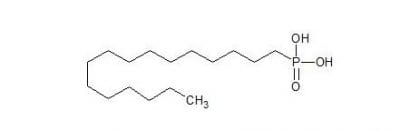


Advance Your Research with Reinste's Phosphonate Solutions
Ready to explore high-quality phosphonic acid derivatives for your next project in surface functionalization, nanocoating development, or corrosion protection? Reinste offers a comprehensive range of products to meet your specific research and industrial needs.
Browse Our Products