Reinste Logo

Introduction to Phosphonic Acid Derivatives in Polymer Synthesis

Phosphonic acid derivatives are gaining significant traction in the realm of polymer science, offering unparalleled opportunities for material innovation. For Indian researchers and professionals, understanding these versatile compounds is key to unlocking advancements in various industries, from high-performance coatings and robust adhesives to cutting-edge biomedical devices and sophisticated nanotechnology applications. These unique organic compounds, characterized by a stable phosphorus-carbon (P-C) bond, bring a suite of advantageous properties that can dramatically enhance the functionality, durability, and safety profiles of polymeric materials.

The chemical structure of phosphonates allows for diverse synthetic modifications, making them highly adaptable for tailoring polymer properties. Unlike their phosphate counterparts, the P-C bond in phosphonic acids offers greater hydrolytic stability, a critical factor for long-term performance in demanding environments. This inherent stability, combined with their ability to chelate metal ions and act as strong Lewis acids, positions phosphonic acid derivatives as indispensable building blocks and additives in modern polymer chemistry.

This comprehensive blog post delves into the fundamental role of phosphonic acid derivatives, exploring their diverse applications across various sectors. We will highlight the burgeoning trends shaping their future, with a particular focus on the unique opportunities and challenges within the dynamic Indian R&D landscape. From improving flame retardancy to enhancing surface properties and enabling novel biomedical applications, the journey into phosphonate-modified polymers promises a future of advanced materials.

Key Benefits of Incorporating Phosphonic Acid Derivatives in Polymers

The strategic integration of phosphonic acid derivatives into polymer systems unlocks a multitude of benefits, driving innovation and addressing critical performance needs across industries.

Enhanced Flame Retardancy

Phosphonates are renowned for their excellent flame-retardant properties, offering a halogen-free solution to meet stringent safety standards. They work by forming a char layer that insulates the polymer from heat and oxygen, effectively suppressing combustion and reducing smoke generation. This is crucial for applications in electronics, construction, and textiles.

Superior Adhesion Promotion

The strong chelating ability of phosphonic acid derivatives allows them to form robust bonds with metal and oxide surfaces. This makes them exceptional adhesion promoters in paints, coatings, adhesives, and composites, significantly improving the interfacial strength between dissimilar materials and preventing delamination.

Effective Corrosion Inhibition

When applied to metal surfaces, phosphonates can form stable, protective films that act as barriers against corrosive agents. This property is invaluable in extending the lifespan of metal components in pipelines, marine structures, and industrial machinery, offering long-term protection in harsh environments.

Versatile Surface Modification

Phosphonic acid derivatives are excellent tools for modifying the surface properties of various materials, including polymers, metals, and nanoparticles. They can impart hydrophilicity, hydrophobicity, biocompatibility, or specific binding sites, enabling tailored functionalities for advanced applications in sensors, filters, and biomedical devices.

Enhanced Thermal Stability

The robust P-C bond and the ability to form strong interactions within the polymer matrix contribute to improved thermal stability. This allows phosphonate-modified polymers to withstand higher operating temperatures without degradation, making them suitable for high-temperature applications in automotive, aerospace, and industrial settings.

Biocompatibility for Biomedical Applications

Certain phosphonic acid derivatives exhibit excellent biocompatibility, making them ideal for developing advanced biomedical polymers. They are used in drug delivery systems, tissue engineering scaffolds, and medical implants, where their ability to interact with biological systems in a controlled manner is highly valued.

Diverse Applications of Phosphonic Acid Derivatives in Industry

From everyday products to high-tech solutions, phosphonic acid derivatives are silently revolutionizing various industrial sectors.

Flame Retardant Materials

The demand for safer materials is ever-increasing, and phosphonic acid derivatives provide effective halogen-free flame retardancy for polymers used in electronics, construction, and transportation. They contribute to reduced smoke toxicity and improved fire safety, crucial for public and industrial safety standards. Their integration into textiles, foams, and electrical casings is transforming product safety.

Advanced Coatings & Adhesives

In the coatings and adhesives industry, phosphonates act as powerful adhesion promoters and corrosion inhibitors. They enhance the durability and longevity of protective coatings on metals, plastics, and composites, crucial for infrastructure, automotive, and aerospace applications. Their ability to form strong bonds ensures superior performance in challenging environments.

Biomedical Devices & Drug Delivery

The biocompatibility and surface functionalization capabilities of phosphonic acid derivatives make them invaluable in the biomedical field. They are used in the development of drug delivery systems, tissue engineering scaffolds, and medical implants, offering improved integration with biological systems and controlled release mechanisms for therapeutics.

Nanocomposites & Smart Materials

Phosphonates play a critical role in the synthesis of advanced nanocomposites, where they improve the dispersion and interfacial bonding between polymer matrices and nanoparticles. This leads to materials with enhanced mechanical strength, thermal stability, and barrier properties. They also enable the creation of smart polymers responsive to external stimuli.

Water Treatment & Scale Inhibition

In water treatment, phosphonic acid derivatives are widely used as scale and corrosion inhibitors in cooling water systems, boilers, and desalination plants. Their ability to chelate metal ions and disperse particulates prevents the formation of scale deposits, ensuring efficient operation and extending the life of industrial equipment.

Oil & Gas Industry

The oil and gas sector utilizes phosphonates for various applications, including scale inhibition in pipelines and drilling operations, corrosion control, and as dispersants for oil spills. Their robust performance in harsh conditions makes them indispensable for maintaining operational efficiency and environmental protection.

Frequently Asked Questions about Phosphonic Acid Derivatives

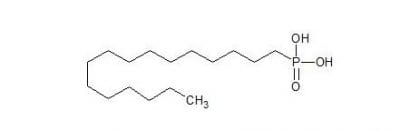
Phosphonic acid derivatives are a class of organic compounds containing a phosphorus-carbon bond (P-C) and one or more P-OH groups, making them distinct from phosphoric acids. They are characterized by their strong chelating abilities, high thermal stability, and excellent adhesion properties. These characteristics make them incredibly versatile for various chemical and material science applications, particularly in polymer synthesis, where they can impart unique functionalities.

In polymer synthesis, phosphonic acid derivatives serve multiple critical roles. They can be incorporated directly into polymer backbones, grafted onto polymer chains, or used as additives. Their primary functions include acting as flame retardants, adhesion promoters, corrosion inhibitors, and cross-linking agents. They can also modify surfaces, enhance the compatibility of different materials in composites, and facilitate the creation of smart polymers with specific responses to external stimuli.

The integration of phosphonic acid derivatives significantly enhances the performance and durability of polymers. Key benefits include dramatically improved flame retardancy, crucial for safety-critical applications; superior adhesion to various substrates, leading to stronger composites and coatings; enhanced corrosion resistance, extending the lifespan of materials in harsh environments; and improved thermal stability, allowing polymers to withstand higher temperatures. They also enable the development of biocompatible materials for medical applications and offer avenues for creating advanced functional polymers.

Absolutely. For the Indian market, phosphonic acid derivatives hold immense relevance across several booming sectors. In the construction industry, they are vital for fire-resistant building materials. The automotive and aerospace sectors benefit from lightweight, high-performance composites with enhanced durability. In electronics, they are crucial for flame-retardant components. Furthermore, India's growing focus on sustainable solutions and advanced healthcare drives demand for biocompatible polymers and eco-friendly flame retardants. Their use in water treatment and agricultural chemicals also presents significant opportunities.

For researchers and industries in India seeking high-quality phosphonic acid derivatives, it is essential to partner with reputable suppliers. Companies like Reinste and Hiyka specialize in providing a wide range of advanced chemical compounds, including various phosphonic acid derivatives suitable for polymer synthesis and other R&D applications. It is recommended to explore their product catalogs, consult with their technical teams, and ensure the products meet specific purity and application requirements for optimal results.

Ready to Innovate? Explore Our Range of Phosphonic Acid Derivatives!

Partner with Reinste and Hiyka to access high-quality phosphonic acid derivatives and other advanced chemicals that drive your research and industrial applications forward.

View All Products

Get in Touch with Our Experts

Have questions or need specialized phosphonic acid derivatives for your project? Fill out the form below, and our team will get back to you promptly.