Reinste Logo

Revolutionizing Indian Agriculture with Nanotechnology

Indian agriculture, the backbone of its economy, faces multifaceted challenges ranging from soil degradation and water scarcity to nutrient loss and the impacts of climate change. Traditional farming methods, while foundational, are increasingly proving insufficient to meet the demands of a growing population and the imperative for sustainable practices. This critical juncture calls for innovative solutions, and at the forefront of this revolution lies nanotechnology, particularly through the application of phosphonic acid derivatives and nano fertilizers.

These advanced chemical derivatives represent a paradigm shift in how we approach crop nutrition and protection. Unlike conventional fertilizers, nano fertilizers deliver nutrients in ultra-small particles, ensuring higher absorption rates, reduced wastage, and minimal environmental footprint. Similarly, phosphonic acid derivatives offer enhanced systemic action and efficacy in plant protection and growth regulation.

For Indian researchers and professionals, understanding and integrating these nanotechnology agriculture solutions is not just an academic exercise but a practical necessity. This blog delves into the immense potential of these agriculture nanomaterials, exploring their benefits, diverse applications, and the burgeoning opportunities they present for a more productive, resilient, and sustainable agricultural future in India. Join us as we uncover how these scientific advancements are poised to redefine the landscape of Indian farming, ensuring food security and environmental stewardship for generations to come.

Key Benefits for Indian Researchers and Farmers

  • Enhanced Nutrient Uptake & Efficiency: Nano fertilizers and phosphonic acid derivatives ensure nutrients are absorbed more effectively by plants, reducing the amount of fertilizer needed and maximizing their impact.
  • Reduced Fertilizer Runoff & Environmental Impact: Precision delivery minimizes nutrient leaching into water bodies, safeguarding ecosystems and promoting sustainable farming.
  • Improved Crop Yield & Quality: Optimized nutrient delivery leads to healthier plants, higher yields, and better quality produce, directly benefiting farmers' livelihoods.
  • Increased Stress Tolerance: Plants treated with these advanced nanomaterials exhibit greater resilience against environmental stresses like drought, salinity, and disease, crucial for unpredictable Indian weather patterns.
  • Precision Nutrient Delivery: Targeted application means nutrients go directly where and when plants need them, minimizing waste and maximizing efficacy.
  • Cost-Effectiveness for Farmers: Despite initial investment, reduced input requirements and higher yields lead to significant long-term savings and increased profitability.
  • Sustainable Agricultural Practices: These innovations align perfectly with India's push towards eco-friendly and resource-efficient farming, contributing to a greener future.

Diverse Applications Across Indian Agricultural Sectors

Crop Nutrition & Growth Promoters

Phosphonic acid derivatives are increasingly utilized as highly effective foliar sprays or soil amendments. They are instrumental in promoting robust root development, enhancing nutrient absorption, and stimulating overall plant vigor. This leads to healthier crops and improved photosynthetic efficiency, crucial for staple crops like rice, wheat, and pulses across India. Their unique chemical structure allows for systemic movement within the plant, providing sustained nutritional benefits and bolstering the plant's natural growth mechanisms.

Advanced Disease Management

Beyond nutrition, phosphonic acid derivatives play a pivotal role as fungicides or elicitors of plant defense mechanisms. They are particularly effective against oomycete pathogens, which cause devastating diseases like downy mildew and late blight, common in Indian agriculture. Their systemic nature allows them to protect new growth and provide long-lasting defense, reducing the reliance on conventional pesticides and contributing to integrated pest management strategies. This targeted approach minimizes chemical residue and supports healthier produce.

Soil Health & Remediation

The application of nanomaterials research in agriculture extends to improving soil health, a critical concern in many parts of India. Phosphonic acid derivatives can indirectly contribute to soil vitality by enhancing microbial activity and nutrient cycling. Furthermore, specific agriculture nanomaterials can be engineered to remediate contaminated soils, bind heavy metals, or improve water retention, especially beneficial for arid and semi-arid regions. This fosters a healthier rhizosphere, leading to stronger plants and more productive land over time.

Enhanced Seed Treatment Solutions

Treating seeds with phosphonic acid derivatives and nano chemicals offers a powerful head start for crops. This application enhances seed germination rates, promotes vigorous early seedling establishment, and provides initial protection against early-season pathogens. For Indian farmers, this means a more uniform crop stand, reduced seedling mortality, and a stronger foundation for the entire growing season, translating into higher overall yields and better resource utilization right from the start. It's a foundational step towards optimizing crop potential.

Frequently Asked Questions about Nano-Agriculture

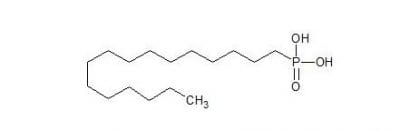
Phosphonic acid derivatives are a class of chemical compounds containing a phosphorus-carbon bond, often used as fungicides, plant growth regulators, and nutrient sources in agriculture. They offer improved uptake and systemic action compared to traditional phosphates.

Nano fertilizers, by delivering nutrients in nanoscale particles, ensure higher nutrient use efficiency, reduced wastage, lower application rates, and improved crop resilience, leading to better yields and profitability for Indian farmers.

When used responsibly and according to guidelines, phosphonic acid derivatives are considered environmentally safer than many conventional pesticides due to their lower toxicity and ability to break down in soil. Their precise application as nano-formulations further minimizes environmental impact.

Nanotechnology in Indian agriculture enables precision farming by allowing targeted delivery of nutrients and pesticides, reducing chemical runoff, conserving water, and improving soil health. This leads to higher yields with fewer resources, aligning with sustainable agricultural goals.

Indian researchers and professionals can source high-quality phosphonic acid derivatives from specialized chemical suppliers and manufacturers like Reinste and Hiyka, who provide a range of derivatives suitable for agricultural research and application.

Ready to Advance Your Agricultural Research?

Explore our extensive range of high-quality phosphonic acid derivatives and cutting-edge nano-agrochemicals designed for superior performance and sustainable outcomes.

View Our Products

Get in Touch with Reinste & Hiyka