Revolutionizing Bone Implants: The Power of Phosphonate Chemistry for Enhanced Osteointegration in India
Explore how phosphonate chemistry is at the forefront of bone tissue engineering, creating advanced implant coatings for superior osteointegration, vital for medical innovation in India.
Explore Phosphonate Solutions
The Dawn of Advanced Bone Implants: Phosphonate Chemistry in India's R&D Landscape
India's rapidly expanding healthcare sector and an aging population present a significant demand for advanced orthopedic and dental implants. While traditional implants have served their purpose, limitations such as poor long-term osteointegration, risk of infection, and the need for revision surgeries highlight the imperative for innovative solutions. This is where phosphonate chemistry emerges as a game-changer, offering a sophisticated approach to enhance the biocompatibility and functionality of implant surfaces.
Phosphonic acid derivatives for bone implants are revolutionizing bone tissue engineering by facilitating stronger, more natural bonds between synthetic materials and living bone. These compounds possess a unique affinity for calcified tissues, making them ideal for creating advanced implant coatings. By leveraging nano biomaterials and precise surface functionalization, researchers and professionals in India are now exploring avenues to significantly improve patient outcomes, reduce recovery times, and usher in a new era of regenerative medicine.
The focus on enhancing osteointegration research within India is paramount. Phosphonates, with their ability to mimic natural bone components like hydroxyapatite, provide a stable and bioactive interface that actively promotes bone cell adhesion and proliferation. This not only strengthens the implant's anchorage but also minimizes the body's immune response, leading to a more harmonious integration and long-term success. For Indian researchers and clinicians, understanding and applying these cutting-edge materials is crucial for addressing the complex challenges of musculoskeletal health.
Key Benefits for Researchers and Professionals
Phosphonate chemistry offers a multitude of advantages for advancing bone tissue engineering and implant technology:
- Improved Osteointegration and Faster Healing: Phosphonate coatings actively promote the adhesion and growth of bone cells, leading to a more robust and quicker integration of the implant with the surrounding bone tissue.
- Enhanced Implant Longevity and Reduced Revision Surgeries: Stronger integration means less loosening over time, potentially extending the lifespan of implants and reducing the need for costly and invasive revision procedures.
- Targeted Drug Delivery Capabilities: Phosphonate functionalization allows for the precise loading and controlled release of therapeutic agents, such as antibiotics or growth factors, directly at the implant site, preventing infections and promoting healing.
- Reduced Risk of Infection and Inflammation: By creating a more biocompatible interface, phosphonates can minimize adverse reactions and the risk of implant-related infections, a common complication.
- Biocompatible and Biodegradable Solutions: Many phosphonate derivatives offer excellent biocompatibility and can be designed to biodegrade safely over time, aligning with the body's natural healing processes.
- Versatile Surface Functionalization: The chemical versatility of phosphonates allows for diverse surface modifications, enabling tailored solutions for various implant materials and clinical requirements.
Diverse Applications of Phosphonate-Coated Implants in Industry
Orthopedic Implants
From hip and knee replacements to spinal fusion devices, phosphonate coatings significantly enhance the osteointegration of metallic and ceramic orthopedic implants. This leads to improved mechanical stability and reduced risk of aseptic loosening, crucial for long-term patient mobility and quality of life.
Dental Implants
In dentistry, phosphonates are employed to create highly bioactive surfaces on titanium dental implants. This promotes faster and stronger integration with the jawbone, ensuring greater stability for prosthetics and reducing the healing period for patients. It's a key area for osteointegration research.
Craniofacial Reconstruction
For patients requiring craniofacial reconstruction, phosphonate-functionalized implants offer superior integration and reduced complications. These advanced implant coatings contribute to better aesthetic and functional outcomes, supporting bone regeneration in complex anatomical sites.
Drug-Eluting Implants
A significant advancement is the development of drug-eluting implants using phosphonate platforms. These can deliver localized doses of antibiotics to prevent infection or growth factors to accelerate bone regeneration, showcasing the potential of drug delivery nanoparticles in orthopedic applications.
India's Growing Horizon: Trends and Opportunities in Phosphonate Biomaterials
India is rapidly emerging as a global hub for medical innovation and manufacturing. The "Make in India" initiative, coupled with a burgeoning healthcare infrastructure and increased R&D investment, creates fertile ground for advancements in bone tissue engineering and regenerative medicine. There's a significant push towards developing indigenous solutions for high-quality, affordable medical devices, making phosphonate chemistry a critical area of focus for researchers and manufacturers.
The demand for advanced biocompatible polymers and hydroxyapatite composites in India is on the rise. Academic institutions and private industries are increasingly collaborating on osteointegration research, exploring novel nano biomaterials for next-generation implant coatings. This includes the development of smart coatings that can respond to physiological cues or release therapeutics on demand, moving beyond passive integration towards active biological engagement.
Furthermore, the emphasis on skill development and technology transfer is empowering Indian professionals to lead in the synthesis and application of phosphonic acid derivatives for bone implants. As the country aims to reduce its reliance on imported medical devices, local innovation in surface functionalization techniques and drug delivery nanoparticles will be key drivers. This creates immense opportunities for Indian scientists, engineers, and clinicians to contribute significantly to global advancements in musculoskeletal health and establish India as a leader in advanced biomaterial solutions.
Frequently Asked Questions about Phosphonate Chemistry
Explore Related Phosphonic Acid Derivatives
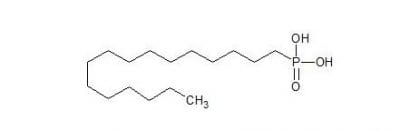


Advance Your Research with Reinste
Ready to explore the potential of phosphonate chemistry in your bone tissue engineering projects or implant coating development? Reinste offers a comprehensive range of high-quality phosphonic acid derivatives and expert support to help you achieve your research and development goals.
Contact Our Experts Today