Unveiling the Potential of Phosphonic Nanomaterials

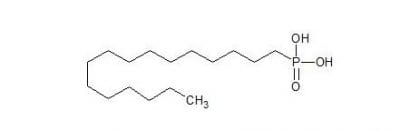
Phosphonic nanomaterials, often referred to as nano-phosphonates or functional phosphonates, represent a rapidly evolving frontier in chemical nanoscience. These fascinating materials leverage the unique properties of phosphonic acid derivatives when integrated into nanoscale structures. Characterized by a robust carbon-phosphorus (C-P) bond, phosphonates exhibit exceptional thermal and chemical stability, making them superior to many other organic ligands. Their unparalleled ability to form strong, stable bonds with a wide array of inorganic surfaces, particularly metal oxides, through various coordination modes, sets them apart. This strong surface adhesion, coupled with the versatility to tune their chemical functionalities through diverse organic substituents, positions them as indispensable tools across a multitude of scientific and industrial domains. From creating durable nanomaterial coatings to engineering sophisticated nano-composites and smart nanomaterials, their potential is vast and continually expanding.

For Indian researchers and professionals, the advent of phosphonic nanomaterials opens up unprecedented avenues for innovation and technological advancement. With a robust and growing focus on indigenous research and development, India's scientific community is increasingly exploring advanced materials that can offer high performance, cost-effectiveness, and sustainability. Phosphonic nanomaterials perfectly align with these national priorities, offering transformative solutions for applications ranging from critical defense technologies to advanced healthcare, and from sustainable energy generation to environmental remediation. This makes them particularly relevant in India's journey towards technological self-reliance and its ambition to achieve global leadership in nanotechnology. This blog aims to provide a comprehensive overview of phosphonic nanomaterials, delving into their fundamental properties, myriad benefits, critical applications, and the exciting opportunities they present for India's dynamic scientific and industrial landscape.

Key Benefits for Researchers and Innovators

  • Superior Surface Functionalization: Phosphonic acid groups readily bind to a wide range of metal oxides, ceramics, and even organic surfaces, forming highly stable self-assembled monolayers (SAMs) or multi-layers. This enables precise control over surface properties, allowing for tailored functionalities such as hydrophobicity, hydrophilicity, biocompatibility, or specific chemical reactivity, which is critical for advanced materials design.
  • Enhanced Material Durability and Protection: As integral components of nanomaterial coatings, phosphonates significantly improve corrosion resistance, wear resistance, and thermal stability. They form robust, passive layers that protect underlying substrates from harsh environmental conditions, thereby extending the operational lifespan of critical components in industries like automotive, aerospace, and marine.
  • Biocompatibility and Bio-nanochemistry: Many phosphonic derivatives exhibit excellent biocompatibility and low toxicity, making them ideal for advanced biomedical applications. They are crucial for designing targeted drug delivery systems, highly sensitive biosensors, and innovative tissue engineering scaffolds, facilitating breakthroughs in medical diagnostics and therapeutics.
  • Versatility in Nano-composites: Phosphonates act as effective coupling agents, improving the dispersion of nanoparticles within polymer matrices and enhancing the interface adhesion between different components in nano-composites. This leads to superior mechanical strength, thermal properties, and overall functional performance of the composite materials.
  • Foundation for Smart Nanomaterials: Their ability to form stable, well-ordered phosphonic thin films and self-assembled monolayers is fundamental for developing responsive and intelligent materials. These smart nanomaterials can exhibit stimuli-responsive behavior, self-healing capabilities, or advanced sensing functionalities, opening doors for next-generation smart devices and systems.
  • Sustainable Solutions: Phosphonic nanomaterials contribute significantly to sustainable technologies. By enhancing material longevity, they reduce waste and the need for frequent replacements. They also enable more efficient chemical processes and offer environmentally friendlier alternatives in various industrial applications, including advanced water treatment and green catalysis, aligning with global sustainability goals.

Diverse Applications Across Industries

Corrosion Protection

Phosphonic nanomaterials form robust, self-assembled monolayers or multi-layers on metal surfaces, acting as an impenetrable barrier against corrosive agents. This provides unparalleled corrosion resistance crucial for infrastructure, automotive, defense, and marine sectors, especially in India's diverse climatic conditions.

Biomedical & Bio-nanochemistry

Leveraging their biocompatibility and adaptable surface chemistry, functional phosphonates are integral to advanced drug delivery systems, where they can precisely target cells. They also enable the creation of high-precision biosensors for early disease detection and innovative tissue engineering scaffolds for regenerative medicine.

Advanced Catalysis

As functional phosphonates, these materials serve as excellent supports for a variety of catalysts, enhancing reaction efficiency, selectivity, and stability. This is particularly valuable in the chemical industry for green synthesis and in energy applications, reducing waste and improving process economics.

Electronics & Thin Films

In chemical nanoscience, phosphonic thin films are crucial for developing next-generation electronic devices. They are used in semiconductors, advanced sensors, and organic light-emitting diodes (OLEDs) to improve performance, durability, and energy efficiency, contributing to India's growing electronics manufacturing.

Energy Storage

Nano-composites featuring phosphonic acid derivatives are being actively explored to significantly improve the performance and safety of next-generation energy storage devices. This includes enhancing the stability and capacity of batteries, fuel cells, and supercapacitors, driving India's transition towards sustainable energy solutions.

Water Treatment

Their strong binding affinity makes phosphonic nanomaterials highly effective adsorbents for removing heavy metals, organic pollutants, and even microorganisms from water. This contributes to sustainable nanomaterials for environmental remediation, addressing critical water purity challenges in India.

Frequently Asked Questions about Phosphonic Nanomaterials

Unlock New Possibilities with Advanced Phosphonic Nanomaterials

Ready to integrate cutting-edge phosphonic nanomaterials into your research or industrial applications? Discover our comprehensive range of high-quality phosphonic acid derivatives and elevate your projects.

Contact Us for Expert Solutions

Get in Touch with Reinste