
Phosphonic Nanomaterials: Driving Innovation in Indian Material Science and Beyond
Explore the transformative applications of phosphonic acid derivatives in advanced materials, catalysis, and nanocoatings, driving research and industrial growth in India.
Explore Phosphonate SolutionsUnlocking Potential: Phosphonic Acid Derivatives in India
In the dynamic landscape of material science and nanotechnology, phosphonic acid derivatives are emerging as pivotal compounds, offering unparalleled versatility and functionality. For Indian researchers and professionals, these organic phosphorus materials represent a frontier of innovation, promising breakthroughs across a spectrum of industries. From enhancing the durability of industrial coatings to revolutionizing biomedical applications, the unique chemical properties of phosphonates — particularly their strong affinity for metal oxides and exceptional thermal stability — make them indispensable.
India's burgeoning R&D sector and ambitious industrial expansion, especially under initiatives like 'Make in India,' create a fertile ground for the adoption and advancement of phosphonic nanomaterials. Their ability to form robust, self-assembled monolayers on various surfaces opens doors for novel nanocoating phosphonates, advanced corrosion inhibition strategies, and the development of high-performance functional phosphonates tailored for specific applications. As the nation pushes towards technological self-reliance and global leadership in science, understanding and harnessing the power of phosphonate synthesis and application becomes paramount.
Why Researchers are Turning to Phosphonic Nanomaterials
-
Enhanced Material Stability and Durability
Phosphonic acid derivatives significantly improve the long-term performance of materials by forming stable bonds and protecting against degradation. -
Tailored Surface Properties for Specific Applications
Researchers can precisely modify surfaces for hydrophobicity, hydrophilicity, or biocompatibility, opening new avenues for functional materials. -
Facilitation of Advanced Catalyst Development
Phosphonates act as excellent supports or ligands in catalysis phosphonic acid applications, leading to more efficient and selective reactions. -
Improved Biocompatibility for Biomedical Devices
Their ability to interact favorably with biological systems makes them ideal for drug delivery, biosensors, and medical implants. -
Versatile Building Blocks for Novel Nanomaterials
The chemical flexibility of phosphonates allows for the creation of complex nanostructures with unique optical, electronic, and mechanical properties. -
Effective Corrosion and Scale Inhibition
Offering superior protection against environmental degradation, crucial for industrial infrastructure and components.
Transforming Industries: Key Phosphonic Acid Applications
Corrosion Inhibition & Surface Protection
Phosphonic nanomaterials form highly stable and durable protective layers on metal surfaces, offering superior corrosion inhibition in harsh environments. This is critical for infrastructure, automotive components, and marine applications, significantly extending product lifespans and reducing maintenance costs.
Biomedical & Drug Delivery Systems
The biocompatibility and ability of phosphonates to bind to calcium make them ideal for bone regeneration, dental implants, and targeted drug delivery systems. Functional phosphonates are being explored for advanced therapies, enhancing the efficacy and safety of medical interventions.
Advanced Catalysis & Chemical Processes
In catalysis phosphonic acid derivatives serve as excellent ligands or supports for heterogeneous catalysts. They improve catalyst stability, activity, and selectivity, leading to more sustainable and efficient chemical manufacturing processes, vital for the chemical and petrochemical industries.
Nanocoatings & Adhesion Enhancement
Nanocoating phosphonates create ultra-thin, highly adhesive layers that improve the performance of various materials. Applications range from anti-fouling coatings for ships to enhancing adhesion in composites and electronics, crucial for advanced manufacturing.
Flame Retardancy in Polymers
Integrating phosphonic acid derivatives into polymers provides effective flame retardancy, enhancing fire safety in textiles, electronics, and construction materials. This application addresses critical safety standards across numerous industrial sectors.
Electronics & Optoelectronics
In the rapidly growing electronics sector, phosphonic nanomaterials are used for surface modification of semiconductors, improving device performance, stability, and enabling the development of next-generation nano-enabled phosphonates for advanced displays and sensors.
India's Horizon: Opportunities and Trends in Phosphonate Technology
India is poised to become a global hub for advanced material science phosphonates, driven by robust government support for nanotechnology chemicals and a vibrant ecosystem of research institutions and industries. The 'Make in India' initiative actively encourages indigenous production and innovation, creating significant opportunities for phosphonate synthesis and the development of novel phosphonic nanomaterials.
Key trends in India include a growing focus on sustainable and eco-friendly phosphonic acid applications, particularly in water treatment and green chemistry. There's also an increasing demand for high-performance nanocoating phosphonates in sectors like defense, aerospace, and renewable energy, where material durability and functionalization are critical. Collaborations between academia and industry are fostering rapid advancements in functional phosphonates, leading to tailored solutions for local challenges and global markets.
The emphasis on developing advanced organic phosphorus materials for catalysis phosphonic acid applications is also gaining traction, aiming to improve energy efficiency and reduce environmental impact in chemical processes. As India continues to invest in R&D infrastructure and skilled human resources, the potential for groundbreaking discoveries and commercialization in nano-enabled phosphonates remains immense, positioning the nation at the forefront of this exciting field.
Frequently Asked Questions about Phosphonic Nanomaterials
Explore Related Phosphonic Acid Products

n-Octadecylphosphonic Acid
View Product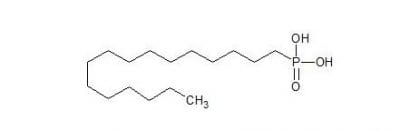
n-Hexadecylphosphonic Acid
View Product
n-Tetradecylphosphonic Acid
View Product
n-Dodecylphosphonic Acid
View ProductAdvance Your Research with Reinste's Phosphonic Solutions
Ready to explore high-quality phosphonic acid derivatives and nanomaterials for your next breakthrough? Partner with Reinste for innovative chemical solutions tailored to your needs.
Get in Touch Today