
Introduction to Phosphonic Acids in Composites
Phosphonic acids, a class of organic compounds characterized by the presence of a stable P-C bond and two hydroxyl groups attached to the phosphorus atom, have emerged as pivotal players in the realm of advanced materials science. Their unique chemical structure allows for robust and versatile interactions with various inorganic substrates and the ability to undergo diverse chemical modifications. This makes them indispensable for tailoring material properties and enhancing the performance of composite materials across a multitude of applications.
For Indian researchers and professionals, understanding the multifaceted applications and mechanistic insights of phosphonic acids is not merely academic; it is crucial for driving innovation in key sectors ranging from automotive and aerospace to electronics, biomedical devices, and sustainable energy solutions. This comprehensive guide aims to illuminate how these versatile organic phosphonates are revolutionizing composite development, significantly enhancing polymer nanocomposites, and facilitating sophisticated material functionalization. By delving into their chemistry and practical utility, we offer a gateway to developing next-generation materials with superior performance characteristics, directly addressing the evolving needs of India's industrial and research landscape. The strategic integration of phosphonic acids can unlock unprecedented levels of material performance, durability, and functionality, paving the way for groundbreaking advancements.
The growing demand for high-performance materials with tailored properties has placed phosphonic acids at the forefront of research and industrial applications. Their ability to form robust and stable interfaces between dissimilar materials is a game-changer for composite engineering. This section lays the groundwork for understanding their fundamental chemistry and the profound impact they have on material science, especially within the context of India's rapidly evolving technological landscape.
Key Benefits for Researchers and Industries
- Enhanced Interfacial Adhesion: Phosphonic acids form strong, stable bonds with metal oxides and other inorganic surfaces, significantly improving the interface between reinforcing fillers and polymer matrices in composites. This leads to superior mechanical properties, including tensile strength, flexural modulus, and impact resistance.
- Corrosion Protection: By creating robust, self-assembled monolayers (SAMs) on metal surfaces, phosphonic acids act as effective corrosion inhibitors, extending the lifespan and durability of composite structures exposed to harsh environments. This is particularly relevant for infrastructure and industrial applications in India.
- Flame Retardancy: Incorporation of phosphonic acid derivatives can impart excellent flame-retardant properties to polymer composites, a critical safety feature for applications in construction, electronics, and transportation.
- Tailored Surface Properties: They enable precise control over surface energy, wettability, and biocompatibility, allowing for the creation of smart surfaces for diverse applications such as anti-fouling coatings, self-cleaning materials, and biomedical implants.
- Improved Dispersion of Nanofillers: Phosphonic acids can effectively functionalize nanoparticles (like graphene, carbon nanotubes, and metal oxides), preventing agglomeration and ensuring uniform dispersion within the polymer matrix, thereby maximizing the benefits of nanomaterial synthesis in polymer nanocomposites.
- Catalytic Activity: Certain phosphonic acid derivatives can act as catalysts or catalyst supports, opening avenues for their use in chemical processes within composite systems, such as curing or degradation.
- Sustainable Material Solutions: By enhancing material durability and performance, phosphonic acids contribute to the development of more sustainable and long-lasting composite products, aligning with India's growing focus on eco-friendly technologies.
Diverse Applications Across Industries
Automotive & Aerospace
Lightweight composites with enhanced strength and durability for vehicle components, reducing fuel consumption and emissions. Phosphonic acid-based coatings offer superior corrosion and wear resistance for critical parts, crucial for the Indian automotive sector's growth and the expanding aerospace industry.
Electronics & Optoelectronics
Dielectric materials, encapsulants, and conductive composites with improved thermal stability and electrical properties. Functionalized phosphonates enable advanced packaging and sensor technologies, driving innovation in India's booming electronics industry and contributing to next-generation optoelectronic devices.
Biomedical Devices
Biocompatible coatings for implants, drug delivery systems, and tissue engineering scaffolds. Phosphonic acids facilitate surface modification for improved cell adhesion, reduced biofouling, and enhanced integration with biological systems, contributing to advanced healthcare solutions in India.
Construction & Infrastructure
High-performance concrete additives, corrosion-resistant coatings for steel structures, and fire-retardant building materials, enhancing safety, durability, and longevity of critical infrastructure projects across India, aligning with national development goals and smart city initiatives.
Coatings & Adhesives
Superior adhesion promoters, anti-corrosion primers, and scratch-resistant coatings for various substrates, extending product life and aesthetic appeal. These are vital for manufacturing, automotive refinishing, and consumer goods sectors, improving product quality and reducing maintenance costs.
Water Treatment
Functionalized adsorbents and membranes for efficient removal of heavy metals, organic pollutants, and scaling inhibitors in water treatment processes, addressing critical environmental challenges in India, and ensuring access to clean and safe water resources for communities and industries.
India's Growing Opportunities and Emerging Trends
India's rapid industrialization and burgeoning research landscape present immense opportunities for the application and development of phosphonic acid derivatives in advanced materials. The "Make in India" initiative, coupled with increasing investments in research and development across critical sectors like defense, aerospace, renewable energy, and infrastructure, is fueling an unprecedented demand for high-performance, cost-effective composite solutions. Indian researchers are increasingly focusing on sustainable material functionalization techniques, actively exploring the use of organic phosphonates to create eco-friendly polymer nanocomposites that align with global environmental standards. This push for sustainability is not just a trend but a core strategic objective, aiming to reduce environmental footprint while enhancing material efficacy.
Emerging trends indicate a growing interest in developing indigenous technologies for nanomaterial synthesis and advanced nano-coatings. In these areas, phosphonic acids play a crucial role in surface engineering, enabling precise control over surface properties and significantly enhancing material interfaces. The emphasis on advanced chemicals and innovative chemical additives for improving material properties, particularly in thermal stability, flame retardancy, and corrosion resistance, is a key driver for research and industrial adoption. Collaborative efforts between leading academic institutions, government-funded research bodies, and private industries are fostering a vibrant ecosystem for innovation. This synergy is strategically positioning India as a significant player in the global advanced materials market, with phosphonic acid chemistry at the forefront of these transformative developments. The ability to customize material properties at the molecular level using phosphonic acids offers a competitive edge, allowing Indian industries to produce components and systems that meet stringent international performance and safety standards. This national focus on self-reliance and technological advancement means a greater emphasis on domestic production and innovation in advanced materials, including the strategic development of novel phosphonic acid derivatives that can cater to specific industrial requirements, from high-temperature applications in aerospace to bio-compatible interfaces for medical implants. Furthermore, the growing awareness of material science in addressing challenges like climate change and resource scarcity is accelerating the adoption of advanced composite materials, making phosphonic acids an even more critical component in India's scientific and industrial future.
Frequently Asked Questions
Explore Related Products

n-Octadecylphosphonic Acid
View Product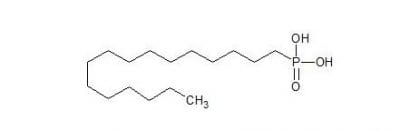
n-Hexadecylphosphonic Acid
View Product
n-Tetradecylphosphonic Acid
View Product
n-Dodecylphosphonic Acid
View ProductReady to Innovate with Advanced Materials?
Ready to revolutionize your material science projects? Explore our range of high-quality phosphonic acid derivatives and advanced chemicals. Partner with Reinste to unlock new possibilities in composite development, surface engineering, and nanomaterial synthesis. Contact us today for expert solutions tailored to your research needs!
Get in Touch