Phosphonic Acid Derivatives: Unlocking Advanced Materials for Indian Innovation
Explore how phosphonate nanomaterials, MOFs, and surface functionalization are revolutionizing material science, offering immense potential for researchers and industries across India.
Explore ApplicationsIntroduction to Phosphonic Acid Derivatives
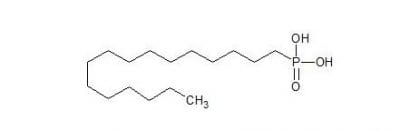
In the dynamic landscape of material science, the quest for innovative compounds with tailored properties is ceaseless. Among the most promising contenders are phosphonic acid derivatives – a versatile class of organic compounds characterized by the presence of a phosphonic acid group (-PO(OH)2). These molecules are rapidly gaining traction in research and industrial applications, particularly within India's burgeoning R&D sector. Their unique ability to form strong, stable bonds with metal oxides and other surfaces makes them indispensable for surface functionalization, the creation of advanced nanomaterials, and the development of high-performance hybrid systems. The robust and often irreversible binding of phosphonates to various substrates, including metal oxides, semiconductors, and even biological surfaces, is a cornerstone of their utility. This strong interaction facilitates the formation of highly ordered self-assembled monolayers (SAMs), providing precise control over surface chemistry and enabling the engineering of interfaces at the nanoscale. For Indian researchers and professionals, understanding and harnessing the power of phosphonic acid derivatives opens doors to groundbreaking advancements in fields ranging from sustainable energy and biomedical devices to corrosion protection and catalysis. This blog delves into the multifaceted world of these remarkable compounds, highlighting their significance and the myriad opportunities they present for the nation's scientific and technological progress, fostering indigenous innovation and contributing to a knowledge-driven economy. We will explore their fundamental chemistry, diverse applications, and the specific trends driving their adoption in the Indian context, providing a comprehensive overview for those looking to leverage these advanced materials.
Benefits for Indian Researchers and Professionals
- Enhanced Material Stability and Durability: Phosphonate coatings significantly improve the long-term stability and resistance of materials against degradation, crucial for extending the lifespan of infrastructure and industrial components in diverse Indian climatic conditions.
- Precise Control over Surface Properties for Targeted Applications: The ability to form self-assembled monolayers allows for exquisite control over surface wettability, adhesion, and reactivity, enabling the design of materials with specific functionalities for various Indian industrial needs, from anti-fouling surfaces to advanced sensors.
- Facilitation of Novel Nanomaterial Synthesis (e.g., MOFs, Nanoparticles): Phosphonic acids serve as excellent linkers and capping agents in the synthesis of metal-organic frameworks (MOFs) and various nanoparticles, offering pathways to create advanced materials with unique structural and functional properties vital for India's push in nanotechnology.
- Improved Performance in Catalytic and Electrochemical Processes: By modifying catalyst supports or acting as active catalytic sites, phosphonate derivatives can significantly boost the efficiency and selectivity of chemical reactions, which is paramount for India's chemical and petrochemical industries seeking greener and more economical processes.
- Development of Advanced Coatings for Corrosion and Wear Resistance: Their strong adhesion to metal surfaces makes them ideal for developing highly effective anti-corrosion and wear-resistant coatings, protecting valuable assets in sectors like defence, automotive, and marine, thereby reducing maintenance costs and increasing operational safety.
- Creation of Biocompatible and Bio-active Surfaces for Medical Implants: In the rapidly growing Indian healthcare sector, phosphonates are instrumental in engineering surfaces of medical implants and devices to improve biocompatibility, reduce rejection rates, and enable targeted drug delivery, leading to better patient outcomes.
- Opportunities for Indigenous Innovation in Advanced Materials: With a strong emphasis on self-reliance ('Atmanirbhar Bharat'), phosphonic acid derivatives offer a fertile ground for Indian researchers and industries to develop proprietary materials and technologies, reducing reliance on imports and fostering local expertise.
- Contribution to Sustainable Technologies and Green Chemistry Initiatives: Their role in efficient catalysis, energy storage, and durable material design aligns perfectly with India's commitment to sustainable development and green chemistry, promoting environmentally friendly manufacturing processes and products.
Key Applications of Phosphonic Acid Derivatives
Nanocoatings & Corrosion Protection
Phosphonic acids are renowned for their ability to form highly ordered and robust self-assembled monolayers (SAMs) on various metal oxide surfaces, including steel, aluminum, and titanium. These molecularly thin films act as formidable barriers, effectively preventing corrosive agents from reaching the underlying metal. This property is critical for extending the lifespan of infrastructure, automotive components, and marine vessels in India's diverse and often harsh environmental conditions, significantly reducing maintenance costs and enhancing safety. They are also explored in smart coatings that can self-heal or indicate corrosion.
Metal-Organic Frameworks (MOFs)
As versatile organic linkers, phosphonate ligands are increasingly utilized in the precise synthesis of Metal-Organic Frameworks (MOFs). These crystalline porous materials exhibit exceptionally high surface areas and tunable pore sizes, making them ideal for applications such as gas storage (e.g., hydrogen, methane, CO2), gas separation, and advanced catalysis. For India, MOF phosphonates hold immense promise in addressing energy security challenges and environmental concerns, particularly in carbon capture technologies and industrial gas purification.
Biomaterials & Biomedical Devices
The unique ability of phosphonates to bind strongly to hydroxyapatite, the main mineral component of bone, makes them invaluable in the field of biomaterials. They are used for surface modification of orthopedic and dental implants to enhance osseointegration, prevent infection, and improve biocompatibility. Furthermore, phosphonate-functionalized nanoparticles are being developed for targeted drug delivery systems and advanced bioimaging, offering innovative solutions for the burgeoning Indian healthcare and pharmaceutical industries.
Catalysis
Phosphonic acid derivatives are powerful tools in catalysis, serving both as ligands for homogeneous catalysts and as surface modifiers for heterogeneous catalysts. They can stabilize metal nanoparticles, prevent aggregation, and tune the electronic properties of catalytic sites, leading to improved activity, selectivity, and recyclability. This is particularly relevant for India's chemical industry, which seeks to develop more efficient and sustainable catalytic processes for bulk chemical production, fine chemical synthesis, and environmental remediation.
Sensors & Optoelectronics
The precise control over surface chemistry offered by phosphonates enables the fabrication of highly sensitive and selective chemical and biological sensors. By functionalizing transducer surfaces, phosphonates can create specific recognition sites for analytes, leading to rapid and accurate detection. In optoelectronics, they are used to modify electrode interfaces in organic light-emitting diodes (OLEDs) and solar cells, improving charge injection/extraction and overall device performance, contributing to India's growing electronics and renewable energy sectors.
Energy Storage & Conversion
Phosphonates play a crucial role in advancing energy technologies. They are employed in modifying electrode materials for next-generation batteries (e.g., lithium-ion, solid-state) to enhance stability, reduce impedance, and improve cycling performance. In fuel cells, they can serve as proton conductors or as components in catalyst layers. Moreover, phosphonate-functionalized semiconductors are being explored for enhanced photocatalytic efficiency in hydrogen production from water splitting and CO2 reduction, aligning with India's clean energy goals.
Opportunities and Emerging Trends in India
India's scientific community is increasingly focusing on indigenous innovation and sustainable development, making phosphonic acid derivatives a critical area of research. The 'Make in India' initiative, coupled with a growing emphasis on advanced manufacturing, fuels the demand for high-performance materials across various sectors. Indian institutions are actively exploring Nano Phosphonic Acid applications in water purification, aiming to develop cost-effective and efficient solutions for a pressing national challenge. These nanomaterials, with their high surface area and strong binding capabilities, are proving effective in removing heavy metals, organic pollutants, and even microbial contaminants from water, offering a significant impact on public health and environmental protection.
Research into MOF Phosphonates is booming, with a particular interest in their use for CO2 capture and hydrogen storage, aligning with India's climate goals and energy transition strategies. The unique porous structures of these materials allow for efficient gas adsorption and desorption, making them candidates for industrial emission control and safe, high-density hydrogen storage, which are vital for a future reliant on clean energy.
Furthermore, the burgeoning biomedical sector in India sees immense potential in Bio-nanotech Materials derived from phosphonic acids for advanced diagnostics and therapeutics. Their biocompatibility and ability to interact with biological systems make them ideal for developing targeted drug delivery vehicles, advanced biosensors for early disease detection, and improved medical implants that integrate seamlessly with the human body. This area represents a significant growth opportunity for Indian pharmaceutical and medical device manufacturers.
The push towards Advanced Nanostructures and Hybrid Nanomaterials for defence and aerospace applications also highlights the strategic importance of these compounds. From lightweight, high-strength composites to stealth coatings and advanced sensor technologies, phosphonic acid derivatives are enabling the creation of materials that meet the stringent performance requirements of these critical sectors, contributing to national security and technological self-reliance.
India's vibrant start-up ecosystem is poised to leverage these advancements, translating laboratory breakthroughs into commercial products, thereby fostering economic growth and technological self-reliance. This focus on Catalysis Nanotech is driving the development of new, more efficient catalysts for various industrial processes, including petrochemicals, pharmaceuticals, and environmental catalysis, leading to reduced waste and energy consumption. Simultaneously, continued research in Surface Functionalization is crucial for tailoring material properties at the atomic level, opening up possibilities for smart materials, anti-fouling surfaces for marine applications, and protective coatings for electronics. This concerted effort across research, industry, and entrepreneurship positions India at the forefront of global material science innovation, ready to tackle complex challenges with advanced phosphonic acid-based solutions.
Frequently Asked Questions



Ready to Innovate with Phosphonic Acid Derivatives?
Ready to advance your research or industrial application with cutting-edge phosphonic acid derivatives? Explore Reinste's comprehensive range of high-quality phosphonate compounds and unlock new possibilities.
View Our Products