Phosphonic Acid Derivatives: Unlocking Advanced Applications in Indian R&D and Industry
Explore the innovative world of these versatile compounds, from agricultural chemistry to cutting-edge nanotechnology, driving progress for researchers and professionals across India.
Explore ApplicationsThe Growing Significance of Phosphonic Acid Derivatives in India
In the dynamic landscape of Indian research and development, phosphonic acid derivatives are emerging as pivotal compounds, driving innovation across a spectrum of industries. These versatile organophosphonates, characterized by their stable carbon-phosphorus bonds, offer unique properties that make them indispensable in modern chemistry. From enhancing agricultural productivity to enabling breakthroughs in material science and medicine, the applications of organic phosphonates are vast and continuously expanding.
For Indian researchers and professionals, understanding the nuances of advanced phosphonates is crucial. Their role extends beyond traditional chemical synthesis, delving into the realm of nanophosphorus and phosphonate nanomaterials. These cutting-edge forms are revolutionizing fields like corrosion inhibition, water treatment, and drug delivery, offering sustainable and efficient solutions tailored to India's unique industrial and environmental challenges.
This blog delves into the multifaceted world of phosphonic acid compounds, highlighting their importance, diverse applications, and the exciting opportunities they present for India's scientific and industrial growth. We'll explore how these nanotechnology chemicals are shaping the future, fostering a new era of phosphonate research and chemical innovation.
Key Benefits for Indian Researchers and Innovators
- Versatile Chemical Building Blocks: Phosphonic acid derivatives serve as fundamental precursors for synthesizing a wide array of functional molecules, enabling diverse chemical modifications and applications.
- Enhanced Material Properties: Incorporating organophosphonates into materials can significantly improve their thermal stability, flame retardancy, and adhesion properties, crucial for advanced engineering applications.
- Corrosion Inhibition Excellence: Many organic phosphonates are highly effective corrosion inhibitors, forming protective layers on metal surfaces, which is vital for infrastructure and industrial machinery in India.
- Sustainable Water Treatment: Their chelating properties make them excellent sequestering agents for metal ions, playing a critical role in preventing scale formation and purifying water, addressing a key challenge in India.
- Advanced Nanomaterial Synthesis: Phosphonate nanomaterials are at the forefront of nanotechnology, offering precise control over material properties for applications in catalysis, sensors, and drug delivery.
- Biomedical Applications: Research into advanced phosphonates is opening new avenues in pharmaceuticals, particularly in bone-related therapies and as drug delivery vehicles due to their strong affinity for calcium.
- Agricultural Chemistry Innovations: Phosphonic acid derivatives for agricultural chemistry are instrumental in developing novel pesticides, herbicides, and plant growth regulators, boosting crop yield and protecting against diseases.
- Environmental Remediation: Their ability to bind heavy metals makes them valuable in environmental clean-up efforts, contributing to a healthier ecosystem.
Diverse Industrial Applications of Phosphonic Acid Derivatives
Water Treatment & Desalination
Phosphonic acid compounds are indispensable in water treatment, acting as scale and corrosion inhibitors. Their ability to chelate metal ions prevents the build-up of mineral deposits in pipes and industrial equipment, ensuring efficient and sustainable water management, a critical need for India's growing urban and industrial sectors. This includes applications in reverse osmosis and cooling water systems.
Agricultural Chemistry & Crop Protection
In agriculture, phosphonic acid derivatives for agricultural chemistry are vital. They are used in fungicides, herbicides, and plant growth regulators. For instance, phosphonates can enhance plant immunity against certain pathogens, leading to healthier crops and increased yields, directly benefiting Indian farmers and food security.
Material Science & Nanotechnology Chemicals
The unique properties of organophosphonates make them ideal for advanced materials. They are used as flame retardants, adhesion promoters, and surface modifiers. The emergence of phosphonate nanomaterials and nano-organics is particularly exciting, paving the way for next-generation coatings, composites, and electronic devices with superior performance.
Pharmaceuticals & Biomedical Applications
Advanced phosphonates are gaining traction in the biomedical field. Their strong affinity for bone minerals makes them suitable for osteoporosis treatment and bone imaging. Furthermore, organic phosphonates are explored as drug delivery systems and components in diagnostic agents, contributing to India's burgeoning pharmaceutical research.
Corrosion Inhibition & Surface Coatings
Protecting metallic surfaces from degradation is crucial across industries. Phosphonic acid compounds form robust protective layers, offering excellent corrosion inhibition for metals in various aggressive environments. This extends the lifespan of machinery and infrastructure, reducing maintenance costs and enhancing operational safety.
Detergents & Industrial Cleaning
As effective chelating agents, organophosphonates are widely used in detergents and industrial cleaning formulations. They help to soften water, prevent scale build-up, and improve cleaning efficiency, making them essential components in maintaining hygiene and operational standards in various Indian industries.
India's Leap in Phosphonate Research and Innovation
India is rapidly positioning itself as a global hub for chemical innovation, and phosphonate research is at the forefront of this transformation. The increasing investment in R&D infrastructure and a growing pool of skilled professionals are fueling advancements in the synthesis and application of phosphonic acid derivatives. There's a particular emphasis on developing cost-effective and environmentally friendly phosphonate technologies that cater to local needs.
A significant trend is the convergence of phosphonic acid chemistry with nanotechnology. The field of nanophosphorus is witnessing remarkable progress, with Indian institutions exploring novel ways to create phosphonate nanomaterials for enhanced performance in diverse sectors. These include advanced catalysts for industrial processes, smart coatings with self-healing properties, and highly efficient drug delivery systems that can target specific cells.
The demand for nanotechnology chemicals, especially those based on organic phosphonates, is on the rise, driven by industries such as automotive, construction, and healthcare. This creates immense opportunities for domestic manufacturing and export. Furthermore, the focus on sustainable development is pushing for the creation of biodegradable and less toxic advanced phosphonates, aligning with global environmental standards and fostering responsible chemical nanotech practices.
Indian researchers are also actively engaged in exploring new applications of organophosphonates in areas like energy storage, flame retardancy for textiles, and novel diagnostic tools. The collaborative ecosystem between academia and industry is vital in translating cutting-edge phosphonate research into tangible products and solutions that benefit society and economy.
Frequently Asked Questions about Phosphonic Acid Derivatives
What are Phosphonic Acid Derivatives?
How are Phosphonic Acid Derivatives used in Agricultural Chemistry?
What are Phosphonate Nanomaterials?
Why are Advanced Phosphonates important for Indian Industry?
Explore Related Phosphonic Acid Products

n-Octadecylphosphonic Acid
View Product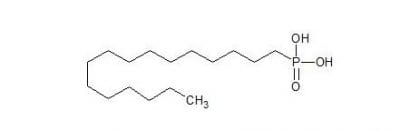
n-Hexadecylphosphonic Acid
View Product
n-Tetradecylphosphonic Acid
View Product
n-Dodecylphosphonic Acid
View ProductReady to Advance Your Research with Phosphonic Acid Derivatives?
Connect with our experts to discover high-quality organophosphonates and tailored solutions for your specific applications.
Get in Touch Today