
Phosphonic Acid Derivatives: Revolutionizing Oilfield Chemicals and Nanomaterials for Surface Engineering
Delve into the transformative power of phosphonic acid derivatives, pivotal for enhancing performance in oilfield applications and pioneering advancements in surface engineering nanotechnology, with a special focus on their impact for Indian researchers and professionals.
Explore ApplicationsIntroduction to Phosphonic Acid Derivatives
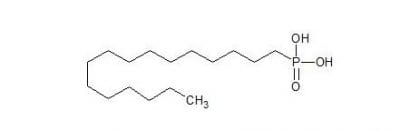
Phosphonic acid derivatives are a class of organic compounds characterized by the presence of a phosphonic acid group, -PO(OH)2, directly bonded to a carbon atom. This unique structural feature bestows upon them a remarkable set of properties, including strong chelating abilities, excellent adhesion to metal oxide surfaces, and high thermal stability. These attributes make them incredibly versatile and indispensable across a myriad of industrial and research applications, particularly gaining traction in India's rapidly evolving scientific and industrial landscape. Their molecular architecture, which often includes an organic moiety, allows for tailored modifications, enabling chemists to fine-tune their properties for specific functionalities. This adaptability is what makes phosphonic acid derivatives a cornerstone in advanced materials science and chemical engineering.
For Indian researchers and professionals, understanding the nuances of phosphonic acid derivatives opens doors to innovative solutions in various sectors. Their ability to form robust and stable bonds with metal surfaces makes them ideal candidates for corrosion inhibition and scale prevention in harsh environments, a critical need in industries like oil and gas. India's vast energy sector, with its complex infrastructure, stands to benefit immensely from these advanced chemical solutions. Beyond traditional applications, these derivatives are at the forefront of advanced materials science, serving as foundational building blocks for cutting-edge phosphonic nanomaterials and sophisticated surface engineering nanotech. They are crucial in developing coatings that offer superior protection and enhanced performance characteristics, addressing challenges faced by manufacturing and infrastructure development.
The growing emphasis on sustainable and efficient chemical processes in India further amplifies the relevance of phosphonic acid derivatives. Their tailored synthesis allows for fine-tuning of properties, enabling the development of high-performance materials with reduced environmental impact. This aligns perfectly with India's commitment to green chemistry and sustainable development goals. From enhancing the durability of industrial equipment and extending its operational lifespan to enabling next-generation electronic devices and medical implants, phosphonic acid derivatives are not just chemicals; they are enablers of progress, driving innovation and offering significant competitive advantages in a global market. Their role in facilitating nanoparticle functionalization and creating novel metal oxide coatings is particularly noteworthy, promising breakthroughs in diverse fields.
This blog post delves deeper into the multifaceted world of phosphonic acid derivatives, exploring their diverse applications, the tangible benefits they offer to various industries, and the exciting opportunities and trends shaping their future, especially within the context of Indian research and industrial development. We will examine how these compounds are revolutionizing sectors from oilfield chemicals to advanced nanotechnology, providing insights valuable for both seasoned experts and emerging scientists.
Key Benefits for Researchers and Professionals
-
Enhanced Material Stability and Durability: Phosphonic acid derivatives form strong, stable bonds with various substrates, significantly improving the longevity and resilience of materials against degradation.
-
Improved Corrosion Resistance in Harsh Environments: Their exceptional film-forming capabilities provide superior protection against corrosion, crucial for infrastructure and equipment in aggressive industrial settings like oil and gas.
-
Versatile Surface Functionalization for Advanced Materials: They enable precise modification of surfaces, allowing for the creation of smart materials with tailored properties for applications ranging from biosensors to electronics.
-
Cost-Effective Solutions for Industrial Challenges: By extending the lifespan of equipment and reducing maintenance needs, these derivatives offer significant economic advantages to industries.
-
Paving the Way for Sustainable Chemical Processes: Research into biodegradable and less toxic phosphonic acid derivatives contributes to greener chemistry and environmentally responsible industrial practices.
-
Driving Innovation in Indian Research and Development: Their adaptability makes them a focal point for cutting-edge research in India, fostering advancements in various scientific and engineering disciplines.
Diverse Applications Across Industries
Oilfield Chemicals
Phosphonic acid derivatives are indispensable in the oil and gas industry, serving as highly effective scale inhibitors to prevent mineral deposition in pipelines and equipment. They also function as potent corrosion inhibitors, protecting valuable assets from aggressive downhole conditions, and as demulsifiers to facilitate oil-water separation.
Surface Engineering Nanotechnology
In surface engineering, these derivatives are crucial for creating high-performance metal oxide coatings and self-assembled monolayers (SAMs). They act as excellent adhesion promoters, enhancing the bonding of various coatings and films, leading to improved durability and functionality for advanced materials.
Advanced Nanomaterials
Phosphonic acid derivatives are key to nanoparticle functionalization, enabling the creation of stable and reactive surfaces for diverse applications. They are integral in developing nanocomposite materials, catalytic nanoparticles, and sophisticated biosensors, pushing the boundaries of material science.
Biomedical and Pharmaceutical
Beyond industrial uses, these derivatives find applications in the biomedical field, particularly in drug delivery systems, bone tissue engineering, and bio-imaging. Their biocompatibility and ability to interact with biological molecules make them promising candidates for advanced medical solutions.
Opportunities and Trends in India
India's chemical and nanotechnology sectors are experiencing unprecedented growth, creating a fertile ground for the adoption and innovation of Phosphonic Acid Derivatives. The "Make in India" initiative, coupled with increased R&D investments, is propelling the demand for high-performance materials and advanced chemical solutions across the nation. Indian researchers and industries are increasingly focusing on Nanoparticle Functionalization and sophisticated Surface Engineering Nanotech to develop next-generation products that meet global standards and domestic needs. This strategic focus is crucial for establishing India as a leader in advanced materials.
A significant trend is the rise of Phosphonic Nanomaterials in various applications, driven by their unique properties and the ability to impart superior characteristics to existing materials. These include the development of durable Metal Oxide Coatings for industrial equipment, enhancing their lifespan and performance in challenging environments. Such coatings are vital for sectors like automotive, aerospace, and defense, where material resilience is paramount. The formation of Self-Assembled Nanostructures using phosphonic acids is also gaining traction, enabling precise control over material properties at the nanoscale. This is particularly relevant for creating advanced sensors, protective layers, and components for microelectronics, offering new avenues for innovation.
Furthermore, there's a growing interest in Nanocomposite Materials where phosphonic acid derivatives act as crucial linkers, improving the dispersion and interfacial adhesion between different components. This leads to materials with superior mechanical, thermal, and electrical properties, opening up possibilities for lightweight yet strong materials in construction and transportation. In the realm of catalysis, Catalytic Nanoparticles functionalized with phosphonic acids are being explored for more efficient and sustainable chemical reactions. These advancements are critical for reducing energy consumption and waste generation in industrial processes, aligning with India's environmental sustainability goals.
The healthcare sector in India is also witnessing innovation with Biosensor Nanotechnology leveraging phosphonic acid derivatives for highly sensitive and selective diagnostic tools. Their ability to bind specifically to biological molecules makes them invaluable for early disease detection and personalized medicine. The development of Thin Film Functionalization techniques for medical implants, electronic devices, and optical components is another promising area, ensuring enhanced biocompatibility and improved performance. Overall, the landscape for Advanced Nanochemicals in India is vibrant and dynamic, with phosphonic acid derivatives playing a central role in driving future technological advancements, fostering a knowledge-based economy, and addressing critical societal needs. The continuous research into new phosphonic acid derivatives for oilfield chemicals also promises more efficient and environmentally responsible extraction processes.
Frequently Asked Questions



Advance Your Research with Reinste & Hiyka
Ready to explore the full potential of phosphonic acid derivatives for your applications in oilfield chemicals, surface engineering, or advanced nanomaterials? Partner with Reinste and Hiyka for high-quality products and expert support.
Contact Our Experts Today