Phosphonic Acid Derivatives: Revolutionizing Drug Delivery, Biomaterials, and Nanomaterials for Indian R&D
Explore the cutting-edge applications of phosphonic acid derivatives in advancing targeted drug delivery, enhancing biomaterial performance, and pioneering nanomaterial innovations for India's scientific and industrial landscape.
Explore Now
The Power of Phosphonic Acid Derivatives in Indian R&D
In the vibrant and rapidly evolving landscape of Indian research and development, phosphonic acid derivatives are not just compounds; they are catalysts for innovation, driving advancements across a multitude of scientific and industrial sectors. These remarkable molecules, distinguished by their robust phosphorus-carbon bonds, offer an unparalleled blend of chemical stability, potent chelating capabilities, and exceptional adhesion to a wide array of surfaces. For the discerning Indian researcher, scientist, and industry professional, a deep understanding and strategic utilization of these derivatives are paramount for crafting cutting-edge solutions in healthcare, advanced materials science, environmental sustainability, and beyond. The inherent versatility of phosphonic acids allows for their strategic integration into complex systems, providing a foundation for high-performance applications.
From pioneering sophisticated drug delivery systems designed to achieve targeted and sustained release of therapeutic agents, to engineering the next generation of biomaterials for revolutionary medical implants, and fabricating highly specialized nanomaterials with precisely tailored functionalities, phosphonic acid derivatives stand at the vanguard of scientific progress. Their extraordinary capacity to modify surfaces at the molecular level renders them indispensable across diverse applications. This includes providing superior corrosion inhibition for critical infrastructure, facilitating advanced adsorption processes for environmental remediation, and serving as crucial building blocks in complex chemical synthesis. These applications directly address pressing needs within India's swiftly progressing scientific and industrial ecosystem, promising a future of enhanced efficiency, safety, and innovation. This comprehensive blog post will delve into the profound impact, multifaceted applications, and promising future prospects of these indispensable compounds, specifically tailored for the Indian context.
Key Benefits for Researchers and Industries
Enhanced Drug Delivery
- Phosphonic acid derivatives are revolutionizing pharmaceutical formulations by facilitating the sustained release of active pharmaceutical ingredients (APIs). This reduces the frequency of dosing, improving patient compliance and therapeutic efficacy, particularly for chronic conditions.
- Their unique affinity for mineralized tissues, such as bone, enables highly targeted drug delivery, minimizing systemic toxicity and maximizing localized therapeutic effects.
- They are also versatile for encapsulating a diverse range of therapeutic agents, from small molecules to biologics, within various nanocarriers like polymeric nanoparticles and liposomes, thereby significantly improving drug bioavailability and pharmacokinetic profiles.
- These features are critical for developing advanced drug delivery systems that address the complex healthcare needs of the Indian population.
Advanced Biomaterial Engineering
- In the realm of biomaterials, phosphonic acid derivatives play a crucial role in promoting osteointegration, the direct structural and functional connection between living bone and the surface of a load-bearing artificial implant.
- They significantly enhance the biocompatibility of medical implants, reducing the risk of immune rejection and improving long-term success rates.
- These derivatives enable precise surface functionalization, allowing for improved cell adhesion, proliferation, and differentiation, which is vital for regenerative medicine applications.
- They are indispensable for creating advanced bone grafts and tissue engineering scaffolds that mimic natural bone composition, supporting superior cell growth and tissue regeneration.
Innovative Nanomaterial Synthesis
- Phosphonic acid derivatives serve as highly effective capping agents for stable nanomaterials, preventing aggregation and maintaining their unique properties over time.
- They facilitate precise control over nanoparticle size, shape, and morphology during synthesis, allowing for the creation of customized nanomaterials with specific functionalities.
- Their ability to form robust bonds enables versatile surface modification of nanoparticles for diverse applications, including catalysis, sensing, and targeted delivery.
- These compounds are key for developing novel functional materials with tailored electronic, optical, and magnetic properties, opening new frontiers in nanotechnology for Indian industries.
Superior Corrosion Inhibition
- The strong chelating ability of phosphonic acid derivatives allows them to form robust, self-assembled monolayer protective layers on various metal surfaces, effectively preventing corrosion.
- These protective films offer long-lasting corrosion inhibition even in highly aggressive and harsh industrial environments, significantly extending the lifespan of metallic components.
- They often present environmentally friendlier alternatives to traditional, more toxic corrosion inhibitors, aligning with global sustainability goals and Indian environmental regulations.
- This makes them critical for protecting vital infrastructure, industrial machinery, and automotive components, reducing maintenance costs and improving safety across Indian industries.
Effective Adsorption and Separation
- Phosphonic acid derivatives exhibit a high affinity for various metal ions, making them exceptionally effective for adsorption processes, particularly in water treatment.
- They are widely used in the removal of heavy metals, radionuclides, and other pollutants from wastewater, contributing significantly to cleaner water resources in India.
- Their unique chemical properties also find applications in chromatographic separations and purification processes, enabling the isolation of valuable compounds with high efficiency and purity.
- These capabilities contribute to developing sustainable environmental solutions and advanced chemical processing technologies crucial for India's industrial growth.
Versatile Surface Chemistry
- The phosphonate group forms strong covalent bonds with a wide range of inorganic substrates, including metal oxides, glass, and ceramics, enabling robust surface functionalization.
- This allows for precise control over the surface properties of materials, such as wettability, adhesion, and reactivity, leading to tailored performance.
- They are ideal for creating advanced coatings, thin films, and self-assembled monolayers with specific functionalities for applications in electronics, optics, and protective layers.
- This versatility in surface chemistry forms the foundation for developing smart materials, biosensors, and advanced composite materials in various Indian research and industrial settings.
Diverse Applications Across Indian Industries
Targeted Drug Delivery Systems
Phosphonic acid derivatives are proving to be indispensable components in the design of cutting-edge drug carriers, offering both sustained release and highly specific targeting capabilities. This precision is particularly crucial in the treatment of challenging diseases like cancer and various chronic conditions, where the accurate localization of therapeutic agents can dramatically enhance treatment efficacy while simultaneously minimizing adverse systemic side effects. Leading Indian pharmaceutical research institutions and companies are actively engaged in exploring and integrating these compounds into novel drug formulations, aiming to develop more effective and patient-friendly medications that meet global standards.
Biocompatible Medical Implants
In the rapidly advancing field of biomaterials, these derivatives play a critical role in enhancing the surface properties of medical implants. By promoting better integration with biological tissues and significantly reducing the likelihood of immune rejection, they contribute to the long-term success and safety of implants. Their applications span a broad spectrum, including advanced orthopedic implants, sophisticated dental prosthetics, and innovative cardiovascular devices, thereby significantly improving patient quality of life within India's burgeoning healthcare sector.
Advanced Nanomaterials and Coatings
Nanomaterials that are functionalized with phosphonic acids exhibit superior stability, enhanced dispersibility, and precisely tailored properties. These modified nanomaterials are extensively utilized in the creation of high-performance protective coatings, highly efficient catalysts, and sensitive sensors. This area holds immense promise for Indian industries, particularly those seeking to develop cutting-edge functional materials for applications in electronics, renewable energy, and environmental remediation technologies, pushing the boundaries of nanotechnology.
Effective Corrosion Inhibitors
The remarkable strong chelating ability of phosphonic acid derivatives positions them as exceptional corrosion inhibition agents. They form robust, tightly adherent protective films on metal surfaces, which significantly extends the operational lifespan of industrial equipment, critical pipelines, and essential infrastructure. This capability is absolutely vital for India's heavy industries, including oil and gas, manufacturing, and construction, as well as for its burgeoning infrastructure development projects, ensuring longevity and safety.
Water Treatment and Adsorption
Given their high affinity for various metal ions and other persistent pollutants, phosphonic acid derivatives are ideally suited for adsorption-based water purification technologies. They are extensively employed in the efficient removal of heavy metals, toxic organic contaminants, and even radionuclides from industrial and municipal wastewater. Indian environmental initiatives can significantly leverage these compounds to achieve cleaner and safer water resources, addressing one of the nation's critical environmental challenges.
Catalysis and Chemical Synthesis
In the intricate world of chemical synthesis, phosphonic acid derivatives serve as highly effective catalysts, ligands, or intermediates, facilitating a wide range of organic and inorganic reactions. Their unique structural and electronic properties enable the synthesis of complex molecules with exceptional selectivity and high yields, which is crucial for reducing waste and improving efficiency. This opens up new and exciting avenues for the specialty chemical manufacturing sector in India, enabling the production of advanced materials and fine chemicals.
Indian Landscape: Opportunities and Emerging Trends
India's robust and expanding scientific infrastructure, coupled with a national imperative for indigenous innovation, creates a fertile ground for the advanced research and application of phosphonic acid derivatives. The nation's burgeoning pharmaceutical sector, a global powerhouse, is keenly focused on leveraging phosphonic acid derivatives for sustained release drug formulations. This strategic shift aims to significantly reduce dosing frequencies, thereby enhancing patient compliance and improving overall therapeutic outcomes. Such advancements are perfectly aligned with the 'Make in India' initiative, promoting the domestic production of sophisticated therapeutic agents and fostering self-reliance in critical healthcare technologies.
Beyond pharmaceuticals, the demand for advanced biomaterials in critical medical fields like orthopedics, dentistry, and cardiovascular surgery is experiencing an unprecedented surge. Indian researchers, from premier institutions such as IITs, AIIMS, and various national laboratories, are at the forefront, actively investigating how precise phosphonic acid functionalization can lead to the development of superior, yet cost-effective, medical devices. These innovations promise enhanced biocompatibility and improved integration with biological tissues. Concurrently, the field of nanotechnology is a vibrant arena of innovation, with numerous research centers dedicating efforts to the synthesis, characterization, and application of nanomaterials. Phosphonic acid derivatives are crucial here, serving as versatile building blocks for creating materials with tailored properties for applications spanning energy storage, advanced environmental sensing, and high-performance smart coatings. The integration of surface chemistry principles with nanotechnology is a key area of focus, enabling the creation of novel functional materials.
Emerging trends within the Indian scientific community include the pioneering development of 'smart' functional materials. These materials are engineered to respond intelligently to external stimuli, a capability largely enabled by the precise surface chemistry and molecular anchoring properties offered by phosphonic acids. Furthermore, there is a growing national emphasis on sustainable and eco-friendly approaches, particularly in areas like corrosion inhibition for industrial assets and advanced water purification techniques to address water scarcity and pollution. Here, phosphonic acid compounds present effective, often less toxic, alternatives to conventional methods, contributing significantly to environmental protection efforts and the circular economy. Strategic collaborations between leading academic institutions, government research bodies, and innovative industrial partners are absolutely vital. These partnerships are essential for effectively translating groundbreaking research findings into tangible, market-ready products and sustainable solutions for the vast and diverse Indian market, thereby solidifying India's position as a formidable global leader in advanced materials science and technological innovation.
Frequently Asked Questions (FAQ)
Phosphonic acid derivatives are organic compounds containing a phosphonic acid group (-PO(OH)2) or its esters/salts, where a carbon atom is directly bonded to a phosphorus atom. They are highly versatile due to their strong chelating ability, excellent adhesion to metal surfaces, and capacity for diverse chemical modifications. These properties make them invaluable in various fields, including drug delivery, biomaterials, and corrosion inhibition.
In drug delivery, phosphonic acid derivatives are crucial for developing advanced systems that ensure sustained and targeted release of therapeutic agents. They can be incorporated into polymeric nanoparticles, liposomes, or hydrogels to enhance drug encapsulation efficiency, improve bioavailability, and reduce systemic toxicity. Their ability to form strong bonds with metal ions or mineralized tissues also allows for bone-targeting drug delivery, which is vital for treating bone-related diseases.
Phosphonic acid derivatives are essential in biomaterials for surface functionalization, enhancing biocompatibility, and improving the integration of medical implants. They can be grafted onto the surfaces of titanium implants, for instance, to promote osteointegration and reduce the risk of infection. Their ability to mimic natural bone components also makes them ideal for creating advanced bone grafts and tissue engineering scaffolds that support cell growth and regeneration.
For Indian researchers and industries, phosphonic acid derivatives offer cost-effective and innovative solutions for addressing critical challenges in healthcare, materials science, and environmental protection. Their versatility allows for the development of indigenous technologies in drug formulation, medical device manufacturing, and sustainable corrosion inhibition. India's growing focus on advanced materials and pharmaceutical innovation makes these compounds particularly relevant for developing cutting-edge products and fostering self-reliance in scientific research.
Explore Related Phosphonic Acid Derivatives
n-Octadecylphosphonic Acid
View Product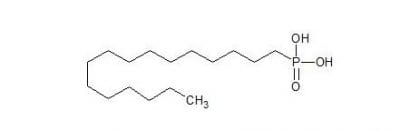
n-Hexadecylphosphonic Acid
View Product
n-Tetradecylphosphonic Acid
View Product
n-Dodecylphosphonic Acid
View ProductReady to Advance Your Research with Phosphonic Acid Derivatives?
Connect with Reinste for high-quality phosphonic acid derivatives and expert support.
Get in Touch Today