
Phosphonic Acid Derivatives: Revolutionizing Advanced Materials in India
Explore how these versatile compounds are driving innovation in surface functionalization, nanomaterial coatings, and more, empowering Indian researchers and industries.
Explore Our Products
Unlocking Innovation with Phosphonic Acid Derivatives
In the dynamic landscape of material science, Phosphonic Acid Derivatives (PADs) have emerged as pivotal compounds, offering unprecedented opportunities for enhancing material properties and developing novel applications. These organic molecules, characterized by their unique phosphonic acid group, exhibit exceptional chelating ability, strong adhesion to metal oxides, and remarkable thermal stability. For Indian researchers and professionals, understanding and leveraging PADs is crucial for driving advancements in various sectors, from high-performance coatings to biomedical innovations.
India's robust R&D ecosystem and growing industrial prowess are perfectly positioned to capitalize on the versatility of PADs. Their ability to form robust, self-assembled monolayers on diverse surfaces makes them indispensable for surface functionalization, a cornerstone of modern materials engineering. From improving corrosion resistance in critical infrastructure to enabling cutting-edge nanomaterial coatings for electronics, PADs are at the forefront of the next generation of advanced materials. This article delves into the transformative potential of PADs, highlighting their benefits, applications, and the exciting opportunities they present for India's scientific and industrial communities.
Key Benefits for Researchers and Innovators
-
•
Enhanced Surface Modification Capabilities: PADs offer precise control over surface chemistry, enabling the creation of tailored interfaces for specific applications.
-
•
Improved Corrosion Resistance: They form tenacious, protective layers on metal surfaces, significantly extending the lifespan of materials in harsh environments.
-
•
Development of Novel Nanomaterial Coatings: PADs are crucial for stabilizing nanoparticles and creating advanced functional coatings with superior properties.
-
•
Facilitation of Robust Organic-Inorganic Interfaces: They act as excellent linkers, bridging organic polymers with inorganic substrates for composite materials.
-
•
Advancements in Biosensing and Drug Delivery Systems: Their biocompatibility and ability to functionalize surfaces make them ideal for biomedical applications.
-
•
Contribution to Sustainable Material Solutions: By enhancing durability and performance, PADs support the development of more sustainable and long-lasting materials.
Diverse Industrial Applications of Phosphonic Acid Derivatives
Corrosion Protection
Phosphonic acid derivatives form strong, self-assembled monolayers on metal surfaces, acting as highly effective corrosion inhibitors. This is vital for protecting infrastructure, pipelines, and automotive components, significantly extending their operational life.
Biomedical Implants
Their ability to create biocompatible coatings makes PADs invaluable in the medical field. They are used to functionalize surfaces of implants, promoting better integration with biological tissues and reducing adverse reactions.
Electronics & Optoelectronics
In high-tech industries, PADs improve the performance and stability of electronic devices. They are employed for surface modification of semiconductors, enhancing adhesion, and creating protective layers for sensitive components.
Catalysis and Organophosphorus Chemistry
PADs serve as versatile ligands or supports in various catalytic processes, including `Organophosphorus catalysis`. Their unique coordination properties allow for the design of highly efficient and selective catalysts for organic synthesis.
Water Treatment
As effective scale and corrosion inhibitors, PADs play a critical role in water treatment systems. They prevent mineral deposits and protect pipes, ensuring the longevity and efficiency of industrial and municipal water infrastructure.
Adhesives & Sealants
By enhancing the bonding strength and durability of adhesives, PADs contribute to more robust and long-lasting joints. They are particularly useful in applications requiring strong adhesion to challenging substrates.
India's Growing Frontier: Trends and Opportunities in Phosphonic Acid Derivatives
India's ambitious drive towards self-reliance and technological leadership is creating fertile ground for the advancement and application of phosphonic acid derivatives. The increasing focus on indigenous manufacturing, particularly in sectors like defense, aerospace, and renewable energy, necessitates high-performance `advanced polymer materials` and `nanotech chemicals`. This demand fuels research and development in `phosphonates synthesis` and their integration into sophisticated material systems. Indian research institutions and industries are actively exploring novel synthetic routes to produce PADs more efficiently and sustainably.
A significant trend in India is the burgeoning interest in `nanomaterial coatings` and `surface functionalization` using PADs. These applications are critical for enhancing the durability and functionality of materials exposed to extreme conditions, such as those found in marine environments or industrial settings. Furthermore, the development of `chemical sensors` for environmental monitoring and healthcare is another area where `phosphonic acid applications` are gaining traction. Researchers are leveraging the unique binding properties of PADs to create highly sensitive and selective sensing platforms, aligning with global `material science trends` and India's specific needs for advanced analytical tools.
The collaborative ecosystem involving academia, government initiatives, and private enterprises is accelerating `phosphonates research` in India. This synergy is vital for translating laboratory breakthroughs into industrial applications, creating new market opportunities, and establishing India as a key player in the global advanced materials sector. As the nation continues to invest in science and technology, the role of phosphonic acid derivatives in shaping future materials and technologies will only grow, offering immense potential for innovation and economic growth.
Frequently Asked Questions about Phosphonic Acid Derivatives
Explore Our Related Phosphonic Acid Products
n-Octadecylphosphonic Acid
View Product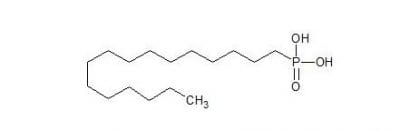
n-Hexadecylphosphonic Acid
View Product
n-Tetradecylphosphonic Acid
View Product
n-Dodecylphosphonic Acid
View ProductReady to Innovate with Phosphonic Acid Derivatives?
Contact our experts today to discuss your specific requirements and explore how our advanced materials can elevate your research and industrial applications.
Contact Our Experts