Phosphonic Acid Derivatives: Pioneering Electrochemical Sensors for Advanced Indian Research
Explore the cutting-edge role of phosphonic acid derivatives in revolutionizing electrochemical sensing, offering innovative solutions for Indian scientists and industries in nanoelectrochemistry and material science.
Learn MoreIntroduction to Phosphonic Acid Derivatives in Electrochemical Sensing
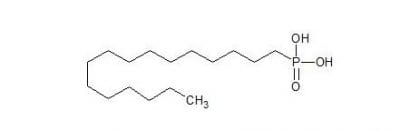
In the burgeoning landscape of scientific innovation, especially within India's dynamic research and development sector, the quest for highly sensitive, selective, and robust sensing technologies is paramount. Electrochemical sensors, with their inherent advantages of rapid response, cost-effectiveness, and portability, stand at the forefront of this revolution. A critical component driving the advancement of these sensors lies in the sophisticated modification of electrode surfaces, and here, phosphonic acid derivatives emerge as a class of materials with unparalleled potential. These compounds, characterized by their distinctive P-C bond and versatile functional groups, offer a robust platform for creating highly efficient sensing interfaces. Their unique chemical structure allows them to form exceptionally stable bonds with various inorganic substrates, which is a cornerstone for developing durable and high-performance Electrochemical Probes.
The strong and stable coordination chemistry of phosphonic acid derivatives with various metal oxide surfaces, such as those found in indium tin oxide (ITO), titanium dioxide (TiO2), and zirconium dioxide (ZrO2), makes them ideal candidates for surface functionalization. This strong interaction leads to the formation of highly ordered and stable self-assembled monolayers (SAMs), which are crucial for precise control over the electrode's electrochemical properties. For Indian researchers and professionals, this capability translates into the development of next-generation Phosphonic Sensors tailored for diverse applications, from environmental monitoring to biomedical diagnostics and industrial process control. The ability to fine-tune the surface chemistry using these derivatives opens avenues for detecting a wide array of analytes with enhanced specificity and lower detection limits, addressing critical needs in a rapidly developing nation. This precision in surface engineering is particularly vital for distinguishing between closely related chemical species, a common challenge in complex biological and environmental samples.
Furthermore, the modular nature of phosphonic acid derivatives allows for their easy integration with various Sensor Nanomaterials, including graphene, carbon nanotubes, and metallic nanoparticles. This synergistic combination gives rise to novel hybrid materials that exhibit superior electrochemical performance. For instance, phosphonic acid-modified graphene can significantly enhance electron transfer kinetics, leading to improved sensor sensitivity and faster response times. The application of these advanced materials in Nanoelectrochemical systems is particularly relevant for India, where miniaturization and high-performance analytical tools are increasingly sought after in both academic research and industrial applications. The development of Phosphonate Materials that can function effectively at the nanoscale is a game-changer for creating portable and point-of-care diagnostic devices. Understanding the fundamental principles behind these interactions and exploring their practical implications is essential for harnessing the full potential of phosphonic acid derivatives in shaping the future of electrochemical sensing. This comprehensive overview aims to illuminate their significance, benefits, applications, and the exciting opportunities they present for the Indian scientific community in advancing Advanced Sensing technologies.
Key Benefits for Indian Researchers and Professionals
-
Enhanced Sensor Sensitivity and Selectivity
Phosphonic acid derivatives enable the creation of highly specific recognition layers on electrode surfaces, minimizing interference and allowing for the accurate detection of target analytes even in complex matrices. This is crucial for applications like environmental monitoring and medical diagnostics in India.
-
Superior Stability and Durability
The strong covalent or coordinative bonds formed by phosphonate groups with substrate surfaces result in robust and stable sensor interfaces. This translates to longer sensor lifespan and reliable performance under challenging conditions, a significant advantage for industrial and field applications across India.
-
Versatile Surface Functionalization
The ability to introduce various functional groups onto phosphonic acid derivatives allows for tailored surface modifications. This versatility supports the development of diverse sensor platforms for different analytes, from biomolecules to heavy metal ions, catering to India's varied research needs in material science and chemical nanosensors.
-
Compatibility with Nanomaterials for Nanoelectrochemical Sensors
Phosphonic acid derivatives readily integrate with various nanomaterials, forming composite structures that leverage the unique properties of both. This synergy leads to advanced nanoelectrochemical sensors with improved performance, crucial for India's push towards cutting-edge nanotech devices and functional phosphonates.
-
Cost-Effectiveness and Scalability
Many phosphonic acid derivatives are relatively easy to synthesize and process, making them a cost-effective choice for large-scale sensor fabrication. This economic advantage is particularly beneficial for widespread adoption in India's diverse industrial and agricultural sectors.
Industrial Applications of Phosphonic Sensors in India
Environmental Monitoring
Phosphonic acid derivatives are instrumental in developing high-performance electrochemical probes for detecting pollutants like heavy metals, pesticides, and organic contaminants in water and soil. This is vital for India's environmental protection efforts and ensuring public health.
Biomedical Diagnostics
These derivatives facilitate the creation of highly sensitive biosensors for early disease detection, glucose monitoring, and pathogen identification. Their biocompatibility and robust surface functionalization make them ideal for advanced sensing in clinical settings across India.
Food Safety and Quality Control
In the food industry, phosphonic sensors offer rapid and accurate detection of contaminants, adulterants, and quality indicators. This ensures consumer safety and maintains high standards for agricultural products and processed foods, benefiting India's vast food sector.
Industrial Process Control
For manufacturing and chemical industries, these advanced sensing materials enable real-time monitoring of chemical reactions, ensuring optimal process efficiency and product quality. This is crucial for sectors like pharmaceuticals, petrochemicals, and textiles in India.
Emerging Opportunities and Trends in India
India's scientific landscape is witnessing an unprecedented surge in research and innovation, particularly in the fields of nanotechnology and advanced materials. This growth creates fertile ground for the widespread adoption and further development of phosphonic acid derivatives for electrochemical sensors. The "Make in India" initiative and increased government funding for scientific research are driving a demand for indigenous, high-tech solutions. Indian researchers are increasingly focusing on developing cost-effective and sustainable sensing platforms, where phosphonate materials offer a significant advantage due to their synthetic versatility and robust performance. The emphasis on developing smart cities and advanced healthcare infrastructure further fuels the need for sophisticated Phosphonic Sensors capable of real-time monitoring and diagnostics. This national push towards self-reliance in technology and innovation positions phosphonic acid derivatives as a critical enabler for future advancements in various sectors.
A key trend is the integration of these derivatives with artificial intelligence (AI) and machine learning (ML) for enhanced data analysis and predictive capabilities in sensing. This allows for the development of "smart sensors" that can not only detect analytes but also interpret complex environmental data, providing actionable insights. For example, AI-powered Electrochemical Probes functionalized with phosphonic acid derivatives can be deployed in remote areas to continuously monitor water quality, automatically identifying pollution events and predicting their impact. Furthermore, the development of flexible and wearable Electrochemical Probes using phosphonic acid functionalized polymers is gaining traction, particularly for remote healthcare monitoring and personalized diagnostics. These wearable devices, capable of non-invasive detection of biomarkers, hold immense promise for improving public health outcomes in both urban and rural India. The focus on sustainable chemistry also means that research into green synthesis routes for Phosphonate Materials is becoming increasingly important, aligning with India's commitment to environmental stewardship and reducing the ecological footprint of technological advancements.
The rise of Nanoelectrochemical research centers and incubators across India is also accelerating the transition of laboratory innovations to commercial products. Collaborations between academia and industry are fostering the development of specialized Sensor Nanomaterials and Chemical Nanosensors that meet specific industrial requirements. This includes the creation of robust sensors for harsh industrial environments, such as those found in chemical plants, and highly sensitive devices for detecting trace amounts of biomarkers in early disease diagnosis. The push for indigenous manufacturing of Nanotech Devices means that the demand for high-quality Functional Phosphonates and materials for Advanced Sensing will continue to grow. This strategic focus not only strengthens India's technological sovereignty but also positions the nation as a global leader in this niche technological domain. The convergence of material science, nanotechnology, and electrochemistry, driven by the versatile properties of phosphonic acid derivatives, promises a vibrant future for India's scientific and industrial landscape.
Frequently Asked Questions



Advance Your Research with Reinste's Phosphonic Acid Derivatives
Ready to integrate cutting-edge phosphonic acid derivatives into your electrochemical sensor development? Explore our comprehensive range of high-quality materials and elevate your research outcomes.
Explore Our Products