
Phosphonic Acid Derivatives: Driving Innovation in Nanomaterial and Chemical Sensor Technology for Indian Research
Discover the transformative potential of phosphonates in developing cutting-edge chemical sensors and nanomaterial-based sensing platforms, tailored for the dynamic research landscape of India.
Explore Our InsightsThe Dawn of Advanced Sensing: Phosphonic Acid Derivatives in Indian R&D
In the rapidly evolving landscape of scientific research and industrial innovation, the demand for highly sensitive, selective, and stable sensor technologies has never been more critical. From environmental monitoring and healthcare diagnostics to industrial process control and defense applications, accurate and real-time detection of various analytes is paramount. At the forefront of this revolution are phosphonic acid derivatives, a class of organic compounds garnering significant attention for their exceptional properties, particularly when integrated with nanomaterial sensors. For Indian researchers and professionals, understanding and harnessing these advanced materials presents a unique opportunity to lead in the global sensor technology domain.
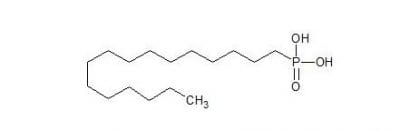
Phosphonic acids and their derivatives possess a distinctive -PO(OH)2 functional group, which enables robust and stable interactions with a wide array of inorganic surfaces, including metal oxides, noble metals, and various nano chemicals. This strong binding capability is a game-changer for surface functionalization, allowing for the precise immobilization of recognition elements on sensor platforms. When combined with the unparalleled properties of nanomaterials—such as their high surface-area-to-volume ratio, quantum effects, and superior electrical conductivity—phosphonic acid derivatives facilitate the creation of next-generation chemical sensors that push the boundaries of detection limits and selectivity.
The relevance of this technological advancement for India is profound. With a burgeoning research and development ecosystem, a strong focus on sustainable solutions, and a growing need for advanced diagnostic tools, the adoption of phosphonic sensors is poised to accelerate. Indian institutions and industries are actively seeking innovative and cost-effective solutions for challenges ranging from water and air pollution to disease detection and smart infrastructure. By leveraging the unique surface chemistry of phosphonates, local researchers can develop tailor-made smart sensors that address specific national priorities, fostering self-reliance and technological leadership in critical sectors. This blog delves into the intricate world of phosphonic acid derivatives, exploring their mechanism, benefits, diverse applications, and the immense opportunities they present for the Indian scientific community and industrial landscape.
The synergy between nanotechnology and phosphonic chemistry is particularly exciting. Nanoparticles, nanowires, and 2D materials like graphene, when functionalized with phosphonic acid derivatives, exhibit enhanced stability and biocompatibility, making them ideal for biosensing applications. The ability to precisely control the surface properties at the nanoscale opens doors to creating highly specific recognition sites, minimizing interference from complex sample matrices. This meticulous control over surface chemistry is critical for developing reliable and accurate sensors, moving beyond traditional methods that often suffer from limitations in sensitivity and long-term stability. The integration of these advanced materials promises a future where detection is not just possible, but also highly efficient and widely accessible.
Furthermore, the development of advanced nanomaterials functionalized with phosphonic groups allows for multi-modal sensing platforms. For instance, a single sensor could be designed to detect multiple analytes simultaneously, providing comprehensive data from a single sample. This multiplexing capability is invaluable in scenarios requiring rapid and broad-spectrum analysis, such as in emergency response or comprehensive health screenings. The robust nature of the phosphonate-surface bond also ensures the longevity and reusability of these sensors, leading to more sustainable and economical sensing solutions. As India continues to invest heavily in scientific infrastructure and talent, the exploration of phosphonic acid derivatives in advanced sensor design will undoubtedly yield groundbreaking results, solidifying the nation's position as a hub for cutting-edge nano products and sensor innovations.
Key Benefits for Indian Researchers and Professionals
- • Enhanced Sensitivity and Selectivity: Phosphonic acid derivatives enable the creation of sensors that can detect target analytes at extremely low concentrations with minimal interference from other substances, crucial for accurate diagnostics and environmental monitoring in diverse Indian conditions.
- • Superior Stability and Durability: The strong chemical bonds formed by phosphonates lead to highly stable sensor surfaces, ensuring long-term performance and reusability, which is vital for robust applications in challenging industrial and field environments across India.
- • Miniaturization and Portability: The ability to functionalize nanomaterials precisely allows for the development of compact and portable smart sensors, ideal for point-of-care diagnostics in remote areas or distributed environmental sensing networks.
- • Cost-Effectiveness and Accessibility: By optimizing material usage and fabrication processes through nanotechnology, these sensors can be developed as affordable solutions, making advanced detection technologies more accessible for broader adoption in India.
- • Versatility Across Applications: From detecting heavy metals in water to specific biomarkers in blood, phosphonic sensors offer broad applicability, addressing critical needs in various sectors like healthcare, agriculture, and defense within India.
- • Rapid Detection and Real-time Monitoring: The efficient signal transduction mechanisms in phosphonate-functionalized nanomaterial sensors enable quick response times, facilitating real-time data acquisition essential for critical decision-making.
- • Facilitates Indigenous Innovation: The foundational chemistry of phosphonic acid derivatives provides a robust platform for Indian scientists to innovate and develop proprietary sensor technologies, fostering self-reliance and global competitiveness in sensor technology.
Transformative Applications of Phosphonic Sensors in Indian Industries
Environmental Monitoring
India faces significant environmental challenges, from water contamination to air pollution. Phosphonic sensors, especially those incorporating nanomaterial sensors, offer highly sensitive detection of heavy metals, pesticides, and industrial pollutants in water bodies and air. Their stability makes them ideal for long-term deployment in harsh outdoor conditions, providing critical data for policy-making and public health initiatives.
Healthcare and Diagnostics
The precision of phosphonic acid derivatives in binding to specific biomolecules is revolutionizing medical diagnostics. These chemical sensors can detect biomarkers for early disease diagnosis, monitor drug efficacy, and even facilitate point-of-care testing in remote areas. The integration with nanotechnology allows for ultra-low detection limits, crucial for conditions like cancer and infectious diseases.
Industrial Safety and Process Control
Industries, from petrochemicals to pharmaceuticals, require robust and reliable sensors for safety and efficiency. Phosphonates can be engineered into smart sensors for detecting toxic gases, volatile organic compounds, and monitoring chemical reactions in real-time. This ensures safer working environments and optimized production processes, reducing risks and improving output.
Food Safety and Agriculture
Ensuring food safety and optimizing agricultural practices are vital for India's growing population. Phosphonic sensors can be deployed to detect foodborne pathogens, pesticides, and adulterants, safeguarding public health. In agriculture, these advanced nanomaterials can monitor soil nutrient levels, detect plant diseases early, and optimize irrigation, leading to higher yields and sustainable farming.
Defense and Security
For defense and security applications, the ability to detect threats rapidly and accurately is paramount. Phosphonic acid derivatives are being explored for their potential in developing sensors for explosives, chemical warfare agents, and biological threats. Their high sensitivity and specificity, combined with miniaturization capabilities, make them invaluable for surveillance and protective measures.
Smart Infrastructure and IoT
The integration of phosphonic sensors into smart infrastructure and IoT ecosystems is paving the way for intelligent cities. These sensor technology innovations can monitor structural health, air quality in urban environments, and even detect early signs of material degradation. This real-time data enables proactive maintenance and creates safer, more efficient urban living spaces.
India's Emergence in Smart Sensor Technology: Trends and Opportunities
India is rapidly positioning itself as a global hub for scientific research and technological innovation. The "Make in India" and "Digital India" initiatives, coupled with significant investments in R&D infrastructure, are creating a fertile ground for the advancement of sensor technology. Within this dynamic environment, the development and deployment of phosphonic sensors and nanomaterial sensors represent a major opportunity for both academic institutions and industrial players.
Government Support and Research Ecosystem
The Indian government's emphasis on indigenous technology and self-reliance provides strong impetus for research into advanced nanomaterials and novel sensing platforms. Funding agencies are increasingly supporting projects that focus on developing cost-effective, high-performance sensors relevant to national needs. This includes research into new phosphonic acid derivatives and their integration with diverse nano chemicals to create next-generation detection systems. Collaborations between academia, industry, and startups are fostering a vibrant ecosystem for innovation in smart sensors.
Growing Demand for Localized Solutions
India's diverse geographical and socio-economic landscape necessitates localized sensor solutions. For instance, sensors designed for detecting specific agricultural contaminants prevalent in certain regions or tailored for monitoring air quality in densely populated urban centers. Phosphonic sensors, with their adaptable surface chemistry, can be customized to selectively target these specific analytes, providing highly relevant and accurate data. This trend towards customization drives demand for specialized nano products and expertise in surface functionalization.
Emergence of Smart Cities and IoT
The rapid urbanization and the push for 'Smart Cities' across India are creating unprecedented demand for integrated sensor technology. From intelligent traffic management to real-time environmental monitoring, smart sensors are the backbone of these initiatives. Nanomaterial sensors, functionalized with phosphonates, offer the miniaturization, low power consumption, and connectivity required for seamless integration into IoT networks, enabling comprehensive data collection and analysis for urban planning and resource management.
Healthcare Accessibility and Precision Medicine
The Indian healthcare sector is witnessing a shift towards preventive care and precision medicine. Chemical sensors based on phosphonic acid derivatives play a crucial role in this transformation by enabling early diagnosis of diseases, personalized drug monitoring, and non-invasive health screening. The ability to detect biomarkers at very low concentrations using nanotechnology-enhanced sensors is vital for improving health outcomes and making advanced diagnostics more accessible across the nation.
In conclusion, the confluence of robust material science, advanced nanotechnology, and a supportive national ecosystem positions India at the cusp of a major breakthrough in sensor technology. Researchers and industries focusing on phosphonic acid derivatives are not just contributing to scientific knowledge but are also building the foundation for a healthier, safer, and smarter India, driven by innovative nano products and sensing solutions.
Frequently Asked Questions about Phosphonic Sensors
Related Phosphonic Acid Derivatives for Your Research



Ready to Advance Your Research with Cutting-Edge Phosphonic Sensors?
Connect with our experts to discover how phosphonic acid derivatives and nanomaterial solutions can elevate your sensor technology projects and drive innovation in your field.
Contact Our Experts Today