Phosphonic Acid Derivatives: Catalysing Innovation in Advanced Ceramics and Nanomaterials for Indian R&D
Unlocking the potential of surface chemistry and advanced materials, this guide explores how phosphonic acid derivatives are transforming Indian research and industrial applications in nanotechnology.
Explore Now
Introduction to Phosphonic Acid Derivatives: A Game Changer for Indian R&D
In the rapidly evolving landscape of materials science and nanotechnology, phosphonic acid derivatives have emerged as pivotal compounds, offering unprecedented control over material properties at the molecular level. For Indian researchers and professionals, understanding and harnessing these versatile molecules presents a golden opportunity to drive innovation in advanced ceramics and nanomaterials. Their unique chemical structure, featuring a highly stable P-C bond and reactive phosphonic acid groups, enables strong adhesion to various inorganic surfaces, making them ideal candidates for surface modification, dispersion stabilization, and the creation of novel functional materials.
This blog post delves deep into the fascinating world of organic phosphonates and their profound impact on modern materials. We will explore their fundamental chemistry, diverse applications, and the specific relevance to India's burgeoning scientific and industrial sectors. From enhancing the performance of ceramic composites to engineering sophisticated nano ceramics for electronics and biomedical devices, phosphonic acid derivatives are at the forefront of materials innovation. Join us as we uncover how these compounds are not just chemicals, but catalysts for a new era of scientific discovery and technological advancement in India.
Key Benefits for Indian Researchers and Professionals
- Enhanced Material Performance: Phosphonic acid derivatives significantly improve mechanical strength, thermal stability, and corrosion resistance of advanced ceramics and nanomaterials by facilitating stronger interfacial bonding and better dispersion of components.
- Precision Surface Engineering: They offer unparalleled control over surface chemistry, allowing researchers to tailor surface properties of nanoparticles and bulk materials for specific functionalities, crucial for applications in catalysis, sensors, and drug delivery.
- Versatility in Chemical Synthesis: These compounds serve as versatile building blocks in chemical synthesis, enabling the creation of complex organic phosphonates with diverse functionalities, opening new avenues for innovative material design.
- Stabilization of Nanostructures: In nanotechnology, phosphonic acid derivatives are excellent dispersants, preventing agglomeration of nanomaterials and ensuring the stability of colloidal systems, which is vital for uniform coatings and composites.
- Cost-Effective Solutions: By enabling more efficient material processing and improving product longevity, these derivatives can contribute to cost-effective manufacturing solutions, a significant advantage for Indian industries.
- Driving Innovation in Functional Materials: Their ability to impart specific functions like flame retardancy, biocompatibility, or adhesion promotion empowers the development of next-generation functional materials for high-tech sectors.
Diverse Industrial Applications of Phosphonic Acid Derivatives
Advanced Ceramics & Composites
In advanced ceramics, phosphonic acid derivatives are utilized as processing aids to improve the dispersion of ceramic powders, leading to denser, more uniform green bodies. They enhance the mechanical properties of ceramic matrix composites by improving interfacial adhesion between the matrix and reinforcing fibers, crucial for aerospace and automotive applications. This includes their role in nano ceramics where precise control over grain boundaries is essential.
Nanotechnology & Nanomaterials
For nanomaterials, phosphonic acid derivatives are indispensable for surface functionalization of nanoparticles (e.g., metal oxides, quantum dots). They prevent agglomeration, enabling the creation of stable colloidal suspensions and the precise assembly of nanostructures. This is vital for developing high-performance catalysts, advanced sensors, and next-generation electronic components within the realm of nanotechnology.
Corrosion Protection & Coatings
Their strong chelating ability with metal surfaces makes organic phosphonates excellent corrosion inhibitors. They form robust, self-assembled monolayers on metals, providing superior protection against oxidation and chemical attack. This is widely applied in protective coatings for metals in harsh environments, extending the lifespan of infrastructure and industrial components.
Biomedical & Pharmaceutical Sector
In the biomedical field, phosphonic acid derivatives are used for surface modification of implants to improve biocompatibility and promote osseointegration. They also find applications in drug delivery systems, where they can functionalize nanoparticles for targeted drug release, and in diagnostic tools due to their ability to bind to specific biomolecules.
Adhesives & Sealants
The excellent adhesion properties of phosphonic acid compounds to various substrates, including metals, glass, and ceramics, make them valuable additives in adhesives and sealants. They enhance bond strength and durability, particularly in challenging conditions, leading to more reliable and long-lasting products.
Catalysis & Environmental Remediation
Phosphonic acid derivatives are employed in supporting catalysts, especially for heterogeneous catalysis, by anchoring active sites onto inorganic supports. Their ability to bind heavy metals also makes them useful in environmental remediation for water purification and removal of pollutants, showcasing their role in sustainable chemical synthesis.
India-Specific Trends and Emerging Opportunities
India's scientific community is increasingly focusing on indigenous development and advanced manufacturing, making the study and application of phosphonic acid derivatives particularly pertinent. The "Make in India" initiative, coupled with a strong emphasis on R&D in materials science, creates fertile ground for innovations involving these compounds. Indian institutions are exploring their use in developing high-performance advanced ceramics for strategic sectors like defense and space, where materials with extreme properties are required. This includes lightweight armor, thermal barrier coatings, and advanced sensors.
The growth of the Indian electronics industry also presents significant opportunities. Nanotechnology research in India is leveraging phosphonic acid derivatives to create stable and functional nanomaterials for flexible electronics, solar cells, and energy storage devices. The ability to precisely control surface chemistry at the nanoscale is critical for these applications. Furthermore, the burgeoning biomedical sector in India is investigating organic phosphonates for biocompatible coatings on medical implants and advanced drug delivery systems, aligning with the nation's healthcare innovation goals.
There is a growing trend towards sustainable chemical synthesis methods in India, where phosphonic acid derivatives can play a role in developing greener processes and more durable, eco-friendly materials. As research in materials science continues to expand, collaborations between academia and industry are expected to accelerate the translation of laboratory discoveries into commercial products, positioning India as a leader in functional materials innovation.
Frequently Asked Questions about Phosphonic Acid Derivatives
Explore Related Phosphonic Acid Derivatives
n-Octadecylphosphonic Acid
View Product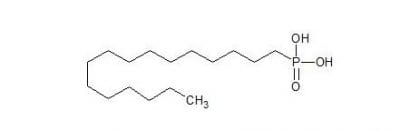
n-Hexadecylphosphonic Acid
View Product
n-Tetradecylphosphonic Acid
View Product
n-Dodecylphosphonic Acid
View ProductAdvance Your Research with Reinste's Phosphonic Acid Derivatives
Ready to explore the full potential of phosphonic acid derivatives in your next project? Reinste offers a comprehensive range of high-quality organic phosphonates and specialized chemicals for advanced ceramics, nanomaterials, and surface chemistry applications. Partner with us to accelerate your innovations in nanotechnology and functional materials.
Contact Our Experts Today