Phosphonic Acid Derivatives: Advanced Anti-Fouling Solutions for Indian Researchers and Industries
Discover how phosphonate chemistry and surface modification are revolutionizing biofouling prevention, offering sustainable and efficient solutions crucial for India's growing industrial landscape, from marine to healthcare.
Learn MoreIntroduction to Phosphonic Acid Derivatives in Anti-Fouling
Biofouling, the undesirable accumulation of microorganisms, plants, algae, or animals on wetted surfaces, poses a significant global challenge across various sectors. From marine vessels and offshore platforms to industrial cooling systems and medical implants, biofouling leads to substantial economic losses, environmental damage, and operational inefficiencies. The annual global cost of biofouling is estimated to be in billions of dollars, primarily due to increased fuel consumption, maintenance, and reduced system lifespan. In India, with its extensive coastline, burgeoning industrial infrastructure, and growing focus on sustainable development, effective anti-fouling strategies are more critical than ever to protect vital assets and promote ecological balance.
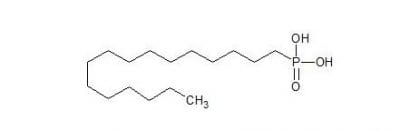
Traditional anti-fouling methods, often relying on toxic heavy metals like copper and tributyltin (TBT), have raised significant environmental concerns due to their adverse impact on marine ecosystems and human health. This has spurred an urgent need for innovative, eco-friendly, and highly effective alternatives. Enter phosphonic acid derivatives – a class of versatile chemical compounds gaining immense traction in the realm of advanced materials and surface engineering. These compounds feature a phosphonic acid group (-PO(OH)2) that enables them to form strong, stable, and often self-assembled monolayers on a wide array of substrates, particularly metal oxides.
The unique chemical structure of phosphonates allows for diverse modifications, enabling researchers and industries to tailor solutions for specific environments and applications. By modifying the organic side chain, scientists can fine-tune properties such as hydrophobicity, biocompatibility, and the ability to incorporate active anti-fouling agents. This versatility makes them ideal candidates for developing next-generation anti-fouling coatings that are both robust and environmentally responsible.
This blog post delves into the fascinating world of phosphonic acid derivatives, exploring their fundamental chemistry, their pivotal role in biofouling prevention, and the innovative ways they are being utilized. We will highlight their profound relevance to the Indian context, discussing the immense opportunities they present for local research and development, and their potential to drive sustainable industrial growth. From enhancing the longevity of marine infrastructure and improving the efficiency of water treatment plants to developing safer medical devices, phosphonate chemistry is paving the way for a cleaner, more efficient future for various Indian sectors.
Join us as we uncover the science behind these remarkable compounds and their transformative impact on anti-fouling technology, particularly for Indian researchers and professionals seeking robust, sustainable, and innovative solutions to combat the pervasive challenge of biofouling.
Key Benefits of Phosphonic Acid Derivatives for Indian Researchers and Professionals
- Enhanced Surface Adhesion: Phosphonic acid derivatives form exceptionally robust and stable bonds with various metallic and oxide substrates, including steel, aluminum, and titanium. This strong interfacial adhesion ensures that anti-fouling coatings remain intact and effective for extended periods, even in the highly corrosive and dynamic marine environments prevalent along India's extensive coastline. This durability translates directly into reduced re-application frequency and lower maintenance costs.
- Versatile Chemical Modification: The inherent chemical flexibility of phosphonates allows for extensive molecular engineering. Researchers can easily attach diverse functional groups to the phosphonic acid backbone, enabling the development of highly customized solutions. This means coatings can be tailored to specific biofouling challenges, from preventing the attachment of microbial films in water treatment systems to deterring barnacle growth on ship hulls, offering unparalleled adaptability for India's varied industrial needs.
- Superior Corrosion Inhibition: Beyond their anti-fouling capabilities, many phosphonic acid derivatives exhibit excellent intrinsic corrosion inhibition properties. They form a protective passivating layer on metal surfaces, effectively preventing electrochemical degradation. This dual-action protection is a significant advantage for critical infrastructure exposed to harsh conditions, such as offshore platforms, coastal bridges, and industrial pipelines, providing comprehensive asset longevity.
- Reduced Environmental Impact: A major driver for phosphonate research is the development of more eco-friendly alternatives to conventional, toxic anti-fouling paints. Phosphonate-based solutions offer a pathway towards biodegradable and non-toxic coatings that minimize harm to marine life and aquatic ecosystems. This aligns perfectly with India's increasing focus on environmental sustainability and adherence to international regulations concerning hazardous substances.
- Improved Operational Efficiency and Asset Longevity: By effectively preventing biofouling, phosphonate coatings help maintain the hydrodynamic efficiency of marine vessels, leading to significant fuel savings. In industrial systems like heat exchangers and cooling towers, they ensure optimal heat transfer and reduce energy consumption. Furthermore, extending the lifespan of coated materials and equipment translates into substantial operational cost reductions and enhanced productivity for various Indian industries.
- Seamless Integration with Nanotechnology: Phosphonate chemistry is highly compatible with advanced nanomaterials, opening exciting avenues for developing cutting-edge nanocoatings. These can include superhydrophobic surfaces, self-healing materials, or coatings embedded with controlled-release biocides. This synergy allows Indian nanotech researchers to innovate advanced materials with superior anti-fouling performance, addressing complex challenges with next-generation solutions.
- Economic Advantages Through Lifecycle Cost Reduction: The initial investment in phosphonate-based anti-fouling solutions is often offset by significant long-term economic benefits. These include reduced dry-docking frequency for ships, lower energy bills for industrial processes, decreased repair and replacement costs for infrastructure, and improved product quality in sectors like aquaculture. These lifecycle cost savings are highly attractive for both public and private enterprises in India.
- Stimulating Local R&D and Indigenous Innovation: The growing demand for advanced anti-fouling solutions provides a fertile ground for Indian researchers, universities, and startups to innovate and develop indigenous technologies. This fosters self-reliance in specialized chemical applications, creates intellectual property, and positions India as a key player in the global anti-fouling market, contributing to national scientific and economic growth.
Industrial Applications of Phosphonic Acid Derivatives in India
Marine and Shipping Industry
India's vast coastline and growing maritime trade necessitate robust anti-fouling solutions for ship hulls, offshore oil rigs, buoys, and port infrastructure. Phosphonate-based coatings reduce drag, improve fuel efficiency, and minimize the spread of invasive aquatic species, critical for environmental protection and economic performance of the Indian shipping fleet and naval assets.
Water Treatment and Desalination
Biofouling in water treatment membranes and desalination plants significantly reduces efficiency, increases operational costs, and shortens membrane lifespan. Phosphonic acid derivatives can be used to modify membrane surfaces, making them more resistant to microbial adhesion and extending their operational life, vital for India's urban and rural water security initiatives.
Power Generation (Cooling Systems)
Thermal, nuclear, and even renewable energy power plants rely heavily on efficient cooling systems, which are highly susceptible to biofouling. Phosphonate chemistry offers effective solutions for preventing biofilm formation in cooling towers, condensers, and heat exchangers, ensuring optimal performance, reducing energy consumption, and preventing costly shutdowns across India's energy sector.
Biomedical Devices and Healthcare
Preventing bacterial adhesion on medical implants, catheters, surgical instruments, and diagnostic equipment is paramount for patient safety and efficacy. Specialized phosphonate derivatives can create biocompatible anti-fouling surfaces, minimizing infection risks and improving the longevity and functionality of medical devices in India's rapidly expanding healthcare sector.
Oil and Gas Exploration
Offshore oil and gas platforms, subsea pipelines, risers, and other equipment face severe biofouling challenges in the Indian Ocean region, leading to accelerated corrosion, increased drag, and operational disruptions. Phosphonate coatings provide robust, long-term protection against marine growth, ensuring structural integrity, reducing maintenance costs, and enhancing safety in critical deep-sea operations.
Infrastructure and Construction
Large-scale civil structures such as bridges, dams, barrages, and underwater concrete foundations exposed to fresh or saltwater environments can suffer from extensive biofouling and biocorrosion. Phosphonic acid-based treatments can enhance the durability, aesthetics, and structural integrity of these vital assets, providing long-term protection and reducing the need for costly and frequent repairs and refurbishments across India's infrastructure development.
India-Specific Opportunities and Emerging Trends in Phosphonate Chemistry
India is uniquely positioned to become a leader in the research, development, and application of advanced anti-fouling technologies based on phosphonic acid derivatives. Several factors contribute to this immense potential, including a strong scientific talent pool, rapidly increasing industrial demand across diverse sectors, and a growing emphasis on sustainable and indigenous solutions propelled by national initiatives.
Growth of Nanocoatings and Nanomaterials in India
The Indian nanotechnology sector is experiencing rapid and sustained growth, driven by significant investments in research and development. This presents a profound opportunity for phosphonate chemistry, particularly in the realm of advanced nanocoatings. Researchers in India are actively exploring the synergistic integration of phosphonic acid derivatives with various nanomaterials, such as graphene, carbon nanotubes, metal oxide nanoparticles (e.g., TiO2, ZnO), and polymeric nanofibers. The goal is to create ultra-thin, highly effective, and multi-functional nanocoatings that offer superior anti-fouling performance, self-cleaning capabilities, and enhanced durability. These advanced materials can provide solutions for complex biofouling scenarios where traditional coatings fall short. The government's 'Make in India' and 'Atmanirbhar Bharat' initiatives further encourage local innovation and production in advanced materials, including phosphonate-based nanomaterials for a wide range of industrial and strategic applications.
Sustainable Biofouling Prevention Strategies
With increasing environmental awareness, stringent national and international regulations, and a strong commitment to sustainable development, the demand for eco-friendly anti-fouling solutions is escalating rapidly in India. The focus of contemporary research is shifting away from biocide-leaching paints towards more benign alternatives. This trend fuels intensive research into phosphonic acid derivatives that are inherently biodegradable, non-toxic, and free from heavy metals. Indian scientists are developing novel phosphonate chemistry that offers effective biofouling prevention through surface energy modification, enzyme-mimetic activity, or by creating surfaces that are easily cleanable (foul-release). This shift towards green chemistry is a major opportunity for Indian chemical manufacturers and R&D institutions to lead in the development and commercialization of sustainable anti-fouling technologies, contributing to a cleaner environment.
Customized Solutions for Diverse Indian Environments
India's vast geographical and climatic diversity, coupled with varied industrial requirements, necessitates highly customized anti-fouling solutions. From the warm, saline, and biologically rich marine environments of the Arabian Sea and the Bay of Bengal to the freshwater systems of its extensive river networks and industrial cooling ponds, different biofouling challenges exist. Phosphonic acid derivatives offer unparalleled flexibility in this regard; their molecular structure can be engineered to perform optimally under specific conditions. This allows for the creation of bespoke anti-fouling coatings that address the unique challenges faced by different sectors, such as the Indian Navy's diverse fleet, coastal power plants, inland water transport vessels, and even agricultural irrigation systems, ensuring maximum efficacy and cost-effectiveness.
Academic and Industrial Collaborations
The synergy between India's robust academic research institutions (IITs, IISc, CSIR labs) and its dynamic industrial partners is crucial for translating cutting-edge laboratory breakthroughs into commercially viable applications. Strong collaborations focused on fundamental phosphonate chemistry, advanced materials science, and practical biofouling prevention strategies can significantly accelerate the development and widespread deployment of innovative solutions. Government funding schemes, public-private partnership models, and initiatives supporting such collaborative research will further boost the sector, positioning India as a global hub for anti-fouling technology innovation and a leader in sustainable chemical solutions.
The future of anti-fouling in India looks exceptionally promising, with phosphonic acid derivatives standing at the forefront of this technological revolution. The continuous advancements in phosphonate chemistry, coupled with India's inherent research prowess, growing industrial needs, and commitment to environmental stewardship, are set to unlock new frontiers in protecting critical infrastructure, enhancing operational efficiencies, and promoting long-term environmental sustainability across the nation.
Frequently Asked Questions about Phosphonic Acid Derivatives
Explore Related Phosphonic Acid Products



Ready to Advance Your Anti-Fouling Research?
Explore our comprehensive range of phosphonic acid derivatives and other advanced materials designed for cutting-edge research and industrial applications. Partner with Reinste for innovative chemical solutions that drive progress and sustainability.
Explore Our Products Now