Phosphonic Acid Derivatives: A New Frontier in Antiviral Drug Design and Chemical Synthesis

Delve into the transformative potential of phosphonic acids in combating viral infections and advancing material science, offering invaluable insights for Indian researchers and professionals.

Explore Our Research
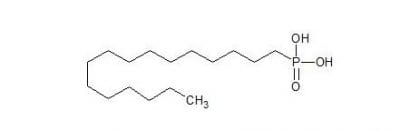
Molecular structure of a phosphonic acid derivative, symbolizing antiviral research

Unveiling the Power of Phosphonic Acid Derivatives in Modern Science

In the dynamic landscape of chemical synthesis and drug discovery, phosphonic acid derivatives have emerged as a class of compounds with unparalleled versatility and profound biological significance. These organic molecules, characterized by a direct carbon-phosphorus bond, stand distinct from their phosphate counterparts due to their exceptional hydrolytic stability and unique electronic properties. For Indian researchers and professionals, understanding the multifaceted applications of phosphonic acids is not merely academic; it's a pathway to innovative solutions in healthcare, material science, and beyond.

The global health challenges posed by viral infections necessitate a continuous quest for novel antiviral agents. Phosphonic acid derivatives, particularly phosphonates, have shown immense promise in this arena. Their structural mimicry of natural phosphate groups allows them to effectively interfere with crucial viral enzymes, such as reverse transcriptases and proteases, making them potent inhibitors. This blog delves into their pivotal role in antiviral drug design, exploring their chemical synthesis pathways, and highlighting their broader impact on nanotechnology and functional materials relevant to India's burgeoning R&D sector.

From the synthesis of novel drug candidates to the development of advanced nanomaterials, phosphonic acid derivatives are at the forefront of scientific innovation. Their ability to form strong complexes with metal ions and their inherent stability make them ideal candidates for surface functionalization, corrosion inhibition, and as building blocks for intricate molecular architectures. This comprehensive overview aims to equip Indian scientists with the knowledge to harness the full potential of these remarkable compounds.

Key Benefits for Indian Researchers and Professionals

  • Enhanced Antiviral Efficacy: Phosphonic acid derivatives offer novel mechanisms of action against viruses, providing alternatives to conventional therapies and addressing drug resistance challenges. Their structural diversity allows for targeted drug design against a wide spectrum of viral pathogens, including those prevalent in tropical regions.
  • Versatile Chemical Synthesis: The unique reactivity of the C-P bond enables diverse synthetic strategies, opening avenues for creating complex molecules with tailored biological activities. This supports the development of new synthetic methodologies relevant to the Indian chemical industry and academic research.
  • Advanced Material Science Applications: As excellent surface modifiers, phosphonates are critical for developing next-generation nanomaterials with improved stability, functionality, and biocompatibility. This is vital for India's growing nanotechnology sector, from electronics to biomedical devices.
  • Drug Design Innovation: Their ability to act as transition state analogs or prodrugs makes them invaluable tools in rational drug design, leading to more potent and selective therapeutic agents with fewer side effects. This accelerates the drug discovery pipeline in Indian pharmaceutical companies.
  • Economic and Accessible Solutions: Research into phosphonic acid derivatives can lead to the development of affordable and accessible antiviral treatments and functional materials, aligning with India's public health and industrial development goals.
  • Multidisciplinary Research Opportunities: These compounds bridge organic chemistry, medicinal chemistry, material science, and nanotechnology, fostering interdisciplinary collaborations and innovation within Indian research institutions.

Transformative Applications Across Industries

Antiviral Agents and Therapeutics

Phosphonic acid derivatives are at the forefront of antiviral drug development. Compounds like Tenofovir, a nucleotide reverse transcriptase inhibitor, exemplify their success in treating HIV and Hepatitis B. Research continues to explore their potential against emerging viral threats, including those causing dengue, chikungunya, and influenza. Their unique ability to mimic natural substrates and inhibit viral replication machinery makes them indispensable in the ongoing battle against infectious diseases. Indian pharmaceutical firms are actively investing in this area to develop indigenous solutions for global health challenges.

Nanomaterials and Surface Functionalization

In nanotechnology, phosphonic acids act as powerful anchoring groups for surface modification. They can bind strongly to metal oxide nanoparticles (e.g., TiO2, Fe3O4, ZnO), enhancing their dispersion, stability, and compatibility in various matrices. This is crucial for developing advanced catalysts, smart coatings, biosensors, and drug delivery systems. Indian material scientists are leveraging phosphonates to create novel functional materials with improved performance and durability, driving innovation in sectors like electronics, energy, and environmental remediation.

Catalysis and Organic Synthesis

The distinctive chemical properties of phosphonic acids make them valuable in catalysis. They can serve as ligands in transition metal complexes, facilitating various organic transformations with high selectivity and efficiency. Furthermore, their role as synthetic intermediates allows for the construction of complex organic molecules with diverse functionalities. This contributes significantly to advancements in green chemistry and sustainable synthetic processes, an area of increasing focus within Indian chemical research and industry.

Biomaterials and Medical Devices

Phosphonic acid derivatives are increasingly integrated into biomaterials for their biocompatibility and ability to interact with biological systems. They are used in bone cements, dental materials, and as coatings for implants to improve osseointegration and prevent infection. Their role in drug delivery systems, particularly for targeted therapy and sustained release, is also a rapidly expanding field. This has direct implications for the Indian medical device industry, aiming to produce advanced and affordable healthcare solutions.

Frequently Asked Questions about Phosphonic Acid Derivatives

Advance Your Research with Reinste

Ready to explore high-quality phosphonic acid derivatives for your antiviral research, chemical synthesis, or material science projects? Partner with Reinste for cutting-edge solutions.

Contact Us for Custom Synthesis

Get in Touch with Our Experts