
Reinste Logo

Introduction to Phosphonic Acid and its Impact on Advanced Materials

In the dynamic landscape of material science, the quest for enhanced performance and novel functionalities drives continuous innovation. Among the myriad of chemical compounds, Phosphonic Acid and its derivatives, Phosphonates, have emerged as pivotal players, particularly in the realm of Surface Modification. These versatile compounds offer unique opportunities to tailor material interfaces, unlocking unprecedented capabilities in various Advanced Materials and Functional Nanomaterials. For Indian researchers and professionals, understanding the multifaceted applications and synthesis of phosphonic acid is crucial for pushing the boundaries of scientific discovery and industrial development.

The ability of phosphonic acids to form strong, stable bonds with a wide array of inorganic surfaces—including metals, metal oxides, and semiconductors—makes them indispensable. This strong affinity facilitates the creation of robust, self-assembled monolayers (SAMs) that can impart desired properties such as corrosion resistance, biocompatibility, improved adhesion, and tailored wettability. From enhancing the durability of industrial coatings to enabling sophisticated biosensors and advanced electronic components, the influence of Phosphonic Acid is pervasive and ever-expanding. Its role in Nanotechnology and Nanocoatings is particularly noteworthy, allowing for precise control over surface properties at the nanoscale.

This blog post delves into the profound impact of phosphonic acid and phosphonates, exploring their fundamental chemistry, diverse applications, and the exciting opportunities they present for the Indian scientific and industrial community. We will uncover how these compounds are not just modifying surfaces, but truly revolutionizing the performance and potential of materials across sectors, including the burgeoning field of phosphonic acid derivatives for 3D printing.

Key Benefits for Indian Researchers and Professionals

Enhanced Material Performance

  • Improved corrosion resistance for metallic components, vital in India's diverse climatic conditions.
  • Increased adhesion between dissimilar materials, crucial for advanced composites and multi-layered structures.
  • Tailored wettability, enabling hydrophobic or hydrophilic surfaces for specific applications like self-cleaning materials or biomedical devices.

Versatile Functionalization

  • Creation of Functional Nanomaterials with specific chemical and physical properties.
  • Facilitation of biocompatible surfaces for medical implants and drug delivery systems.
  • Enabling of stimuli-responsive materials for smart technologies and sensors.

Cost-Effectiveness and Scalability

  • Relatively simple and scalable synthesis routes for many Phosphonic Acid Derivatives.
  • Potential for lower production costs compared to other advanced surface modification techniques, making them accessible for Indian industries.
  • Reduced material waste through precise surface engineering.

Innovation in Emerging Technologies

  • Crucial for developing next-generation Nanocoatings for electronics, energy, and biomedical fields.
  • Enabling new possibilities in 3D Printing by modifying powder surfaces for better printability and final product properties.
  • Advancing Material Science research with new tools for fundamental understanding and applied development.

Diverse Applications Across Indian Industries

The unique chemistry of Phosphonic Acid and Phosphonates translates into a broad spectrum of applications, driving innovation across various industrial sectors in India. Their ability to form robust, functional interfaces makes them invaluable for enhancing existing products and developing entirely new ones.

Corrosion Protection and Anti-Fouling Coatings

In India's diverse and often harsh environments, corrosion is a significant challenge for infrastructure and industrial assets. Phosphonic Acid derivatives are extensively used to create highly effective anti-corrosion and anti-fouling coatings. These coatings form a protective barrier on metal surfaces, significantly extending the lifespan of pipelines, marine structures, and automotive components. Their strong adhesion and film-forming capabilities ensure long-term protection against environmental degradation. This is particularly relevant for the Indian marine, oil & gas, and construction sectors.
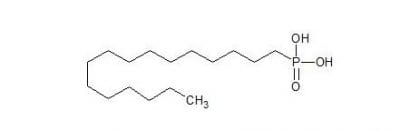
Biomedical Applications and Drug Delivery

The biocompatibility and ability of Phosphonates to bind to bone minerals make them ideal for various biomedical applications. They are employed in surface modification of implants (e.g., dental, orthopedic) to improve integration with biological tissues and reduce rejection. Furthermore, phosphonic acid-functionalized Nanomaterials are being explored for targeted drug delivery systems, where they can precisely deliver therapeutic agents to specific cells or tissues, minimizing side effects. This area holds immense promise for India's growing healthcare and pharmaceutical industries.

Electronics, Sensors, and Optoelectronics

In the rapidly advancing electronics sector, precise Surface Modification is critical. Phosphonic Acids are used to modify semiconductor surfaces, enhance electrode performance, and create stable interfaces in organic light-emitting diodes (OLEDs) and solar cells. Their ability to form stable, ordered monolayers allows for fine-tuning of electronic properties and device efficiency. This is vital for the development of advanced sensors, flexible electronics, and high-performance optoelectronic devices, areas where India is making significant strides.

3D Printing and Additive Manufacturing

The emerging field of 3D Printing benefits significantly from phosphonic acid derivatives for 3D printing. These compounds can be used to modify the surface of powdered materials, improving their flowability, printability, and the mechanical properties of the final printed objects. For instance, functionalizing metal powders with phosphonates can enhance adhesion within layers and reduce defects, leading to stronger and more reliable 3D-printed parts. This application is crucial for India's manufacturing sector as it adopts advanced additive manufacturing techniques.

Catalysis and Chemical Synthesis

Phosphonic Acids can serve as precursors for various catalysts or as surface modifiers for catalyst supports. By anchoring active catalytic species onto inorganic surfaces, they can enhance catalytic activity, selectivity, and stability. This is particularly important for sustainable Chemical Synthesis processes, where efficient and recyclable catalysts are highly sought after. Indian chemical industries can leverage these advancements for greener and more cost-effective production methods.

Energy Storage and Conversion

In the critical area of energy, Phosphonates are being investigated for improving the performance of batteries, fuel cells, and supercapacitors. They can be used to modify electrode surfaces to enhance charge transfer, prevent degradation, and increase overall device efficiency. For solar cells, phosphonic acid monolayers can improve charge separation and device stability. These advancements are crucial for India's push towards renewable energy and energy independence.

Frequently Asked Questions about Phosphonic Acid

Phosphonic Acid (H₃PO₃) is an inorganic compound with a phosphorus atom directly bonded to a hydrogen atom (P-H bond) and two hydroxyl groups. This P-H bond distinguishes it from Phosphoric Acid (H₃PO₄), which has no direct P-H bond but three P-OH bonds. This structural difference gives phosphonic acid unique chemical properties, particularly its ability to form strong, stable bonds with metal and metal oxide surfaces, making it excellent for Surface Modification and creating Functional Nanomaterials.

Phosphonates, which are salts or esters of phosphonic acid, find extensive use in Advanced Materials. Key applications include corrosion inhibition, particularly in industrial water treatment and protective coatings; scale inhibition in various systems; flame retardants for polymers; and as chelating agents. In Nanotechnology, they are crucial for stabilizing nanoparticles, creating Nanocoatings, and functionalizing surfaces for biosensors and drug delivery. Their role in 3D Printing is also growing, enhancing the properties of printed components.

Phosphonic acid derivatives for 3D printing are instrumental in enhancing the properties of materials used in additive manufacturing. They can be applied as surface modifiers for metal or polymer powders, improving their flow characteristics, reducing aggregation, and promoting better layer adhesion during the printing process. This leads to 3D-printed objects with superior mechanical strength, reduced porosity, and enhanced surface finishes, opening new possibilities for complex and high-performance components in various industries.

Indian researchers and professionals seeking high-quality Phosphonic Acid and its derivatives for Material Science and Chemical Synthesis can explore specialized chemical suppliers and distributors. Companies like Reinste and Hiyka (as mentioned in the header links) are known for providing a range of Advanced Materials and fine chemicals. It's recommended to choose suppliers with stringent quality control and good technical support to ensure the purity and effectiveness of the compounds for sensitive research and industrial applications.

Advance Your Research with Premium Phosphonic Acid Derivatives

Ready to innovate? Explore our comprehensive range of high-purity Phosphonic Acid and Phosphonate compounds designed for cutting-edge Surface Modification and Advanced Materials research. Partner with Reinste and Hiyka to achieve your scientific and industrial goals.

View Our Products

Get in Touch with Our Experts

Have questions about Phosphonic Acid, Phosphonates, or their applications in your specific field? Our team of experts is here to assist you. Fill out the form below, and we'll get back to you promptly.