
Phosphonic Acid and Nanomaterials: Pioneering Soil Remediation for a Sustainable India
Discover cutting-edge strategies leveraging advanced chemical products and nanotechnology to address pressing environmental challenges across the Indian landscape.
Explore Solutions
The Imperative of Soil Remediation in India: A Nanomaterials Perspective
Soil contamination poses a significant threat to agricultural productivity, public health, and ecological balance across India. Rapid industrialization, intensive agricultural practices, and improper waste disposal have led to an alarming accumulation of heavy metals, pesticides, and organic pollutants in our soils. Traditional remediation techniques often fall short in terms of efficiency, cost-effectiveness, and environmental impact. This is where the innovative synergy of phosphonic acid derivatives and nanomaterials emerges as a game-changer, offering unparalleled precision and efficacy in soil remediation. For Indian researchers and professionals, understanding these advanced chemical products and their applications in nano-remediation is not just academic; it's crucial for shaping a sustainable future.
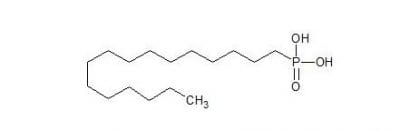
The unique chemical structure of phosphonates, characterized by a stable carbon-phosphorus bond, grants them exceptional chelating capabilities and resistance to hydrolysis. When coupled with the high surface area and tunable properties of various nanomaterials – such as metal oxides, carbon-based nanostructures, and polymeric nanoparticles – these compounds can effectively immobilize, degrade, or transform a wide spectrum of contaminants. This blog delves into the scientific principles, practical applications, and immense opportunities that phosphonic acid derivatives for soil remediation present, specifically tailored for the Indian context where environmental challenges demand innovative, localized solutions. From enhancing nutrient availability to sequestering toxic elements, the potential of this nanotechnology in environmental chemistry is vast and largely untapped.
As India strives for sustainable development, the role of advanced materials science and chemical engineering becomes paramount. This comprehensive overview aims to equip our scientific community with insights into leveraging these cutting-edge technologies for effective environmental management, fostering a cleaner, healthier, and more productive land for generations to come. The integration of phosphonic acid and nanomaterials represents a paradigm shift in our approach to environmental challenges, offering a beacon of hope for contaminated landscapes.
Key Benefits for Indian Researchers & Environmental Professionals
The adoption of phosphonic acid and nanomaterials in soil remediation offers a multitude of advantages, particularly relevant to the unique environmental and economic landscape of India. These benefits extend beyond mere contaminant removal, impacting the broader ecosystem and research capabilities:
- Enhanced Efficiency: Nanomaterials provide a significantly larger surface area, leading to superior adsorption and catalytic degradation of pollutants compared to conventional methods. This means faster and more complete remediation.
- Targeted Action: Phosphonates can be engineered to specifically bind with various heavy metals and organic compounds, allowing for highly targeted remediation efforts that minimize disruption to beneficial soil microorganisms.
- Reduced Environmental Footprint: By requiring smaller quantities of active material and often leading to less invasive application techniques, nano-remediation approaches reduce secondary pollution and environmental disturbance.
- Cost-Effectiveness in the Long Run: While initial investment in nanotechnology can be perceived as high, the long-term efficiency, reduced labor, and prevention of future contamination can lead to significant cost savings.
- Versatility Across Contaminants: These advanced chemical products are effective against a broad spectrum of pollutants, including heavy metals (e.g., lead, cadmium), radionuclides, pesticides, and petroleum hydrocarbons, making them ideal for diverse Indian contamination scenarios.
- Improved Soil Health: Beyond just removing toxins, certain phosphonic acid derivatives can also enhance nutrient availability and soil structure, contributing to overall soil health and fertility, which is vital for India's agricultural sector.
- Stimulating Local R&D: Research into nanomaterials and phosphonates for environmental chemistry fosters innovation within Indian scientific institutions, creating new opportunities for academic and industrial collaboration.
- Sustainable Solutions: These methods align with global sustainability goals, offering eco-friendly alternatives to harsh chemical treatments and contributing to India's commitment to environmental protection.
Embracing these cutting-edge solutions allows India to not only address its current environmental challenges more effectively but also to position itself as a leader in sustainable soil remediation technologies globally.
Diverse Applications of Phosphonic Acid & Nanomaterials in Indian Industries
The versatility of phosphonic acid derivatives and nanomaterials extends across various industrial sectors in India, offering tailored solutions for complex environmental problems.
Agricultural Sector
In agriculture, phosphonates can immobilize heavy metals like cadmium and lead, which are often introduced through contaminated irrigation water or fertilizers. Nanomaterial-based delivery systems can also enhance nutrient uptake and reduce pesticide runoff, contributing to healthier crops and safer food production. This is particularly vital for India's food security.
Industrial Contamination Sites
Legacy sites from mining, chemical manufacturing, and textile industries often harbor a cocktail of persistent organic pollutants (POPs) and heavy metals. Nano-remediation using functionalized nanomaterials with phosphonic acid coatings can effectively adsorb and degrade these contaminants, enabling the reclamation of valuable land for urban or agricultural use.
Water Treatment & Wastewater Management
While primarily focused on soil, the principles extend to water. Phosphonic acid-modified nanomaterials are excellent adsorbents for heavy metal ions and phosphates in industrial wastewater, preventing further soil and water contamination. This is crucial for maintaining the quality of India's rivers and groundwater.
Urban & Municipal Waste Management
Landfills and urban waste dumps are significant sources of soil contamination. Nanotechnology-based solutions can be deployed to treat leachate-contaminated soils, preventing the spread of pollutants and mitigating the environmental impact of burgeoning urban centers in India.
Oil & Gas Exploration Sites
Spills and operational discharges from the oil and gas industry can severely contaminate soil with petroleum hydrocarbons. Phosphonates can aid in dispersing and degrading these compounds, while nanomaterials can enhance the bioremediation process by providing optimal conditions for microbial activity.
Remediation of Radioactive Contaminants
In specific scenarios involving radioactive waste, certain phosphonic acid derivatives can form stable complexes with radionuclides, effectively immobilizing them in the soil matrix and preventing their dispersal, a critical application for specialized sites in India.
India's Advancing Frontier: Opportunities & Trends in Nano-remediation
India is at the cusp of a significant transformation in its environmental management strategies, with nanotechnology playing an increasingly pivotal role. The burgeoning research landscape, coupled with growing environmental awareness and governmental initiatives, creates fertile ground for the widespread adoption and innovation in nano-remediation using phosphonic acid and nanomaterials. This section highlights key trends and opportunities for Indian professionals and institutions.
Rising Investment in Environmental R&D
The Indian government, through bodies like the Department of Science & Technology (DST) and the Council of Scientific & Industrial Research (CSIR), is channeling substantial funds into environmental chemistry and material science research. This includes projects focused on advanced oxidation processes, biosorption, and the synthesis of novel nanomaterials for pollution control. This creates a robust ecosystem for exploring phosphonic acid derivatives for soil remediation.
Collaborative Research & Development
A key trend is the increasing collaboration between academic institutions, research labs, and industrial partners. Indian universities are actively pursuing international collaborations to bring global expertise in nanotechnology and advanced chemicals. Such partnerships are vital for translating laboratory-scale successes of phosphonates into deployable field solutions for soil remediation.
Focus on Sustainable & Green Technologies
There's a strong national emphasis on developing "green" technologies that are eco-friendly and sustainable. Nano-remediation, particularly when employing biodegradable nanomaterials and non-toxic phosphonic acid compounds, perfectly aligns with this vision. Opportunities abound in developing scalable, environmentally benign synthesis methods for these chemical products.
Development of Indigenous Solutions
Given the diverse soil types and contaminant profiles across India, there is a pressing need for indigenous soil remediation solutions. This presents a unique opportunity for Indian scientists to innovate and customize phosphonic acid-based nanomaterials that are specifically effective under local conditions, considering factors like pH, organic matter content, and climate.
Skill Development & Training
As these technologies mature, there will be a growing demand for skilled professionals in nanotechnology, environmental chemistry, and material science. Educational institutions and vocational training centers have an opportunity to introduce specialized courses on nano-remediation techniques, preparing the next generation of environmental engineers and researchers.
The journey towards a cleaner India is complex, but with the strategic integration of advanced solutions like phosphonic acid and nanomaterials in soil remediation, the path becomes clearer. These trends underscore a vibrant future for environmental innovation in the country, promising significant advancements in both research and practical application.
Frequently Asked Questions about Nano-remediation
Related Phosphonic Acid Derivatives for Your Research
Explore our range of high-quality phosphonic acid derivatives and advanced chemicals, essential for cutting-edge soil remediation and nanomaterials research.


Advance Your Research in Environmental Chemistry
Reinste provides a comprehensive range of high-quality phosphonic acid derivatives, nanomaterials, and other advanced chemical products to fuel your next breakthrough in soil remediation and nanotechnology. Partner with us to find the precise materials you need.
Contact Our Experts Today