
Phosphonates: Unlocking Innovations in Material Science and Chemical Synthesis for Indian R&D
Explore how phosphonic acid derivatives are revolutionizing surface functionalization, corrosion inhibition, and advanced material development, driving significant advancements in India's research and industrial landscape.
Explore Phosphonate ApplicationsIntroduction to Phosphonates: A Cornerstone for Indian Innovation
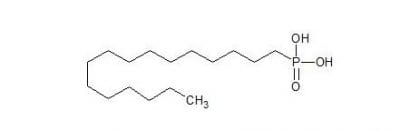
Phosphonates, a class of organophosphorus compounds characterized by a stable carbon-phosphorus (P-C) bond, stand at the forefront of modern material science and chemical synthesis. Their unique molecular structure, featuring one or more phosphonic acid groups, grants them exceptional versatility and reactivity. Unlike phosphates, which contain P-O-C bonds, the P-C bond in phosphonates offers superior hydrolytic stability, making them highly desirable for a myriad of demanding applications. This inherent stability, coupled with their ability to strongly chelate with metal ions and form robust self-assembled monolayers (SAMs) on various surfaces, positions phosphonates as indispensable building blocks for advanced materials.
In the dynamic landscape of Indian research and development, phosphonates are gaining unprecedented traction. As India strides towards self-reliance and global leadership in science and technology, there's a burgeoning demand for innovative solutions in sectors ranging from defense and automotive to healthcare and environmental protection. Phosphonates address this demand by offering pathways to enhance material durability, develop sophisticated nanocoatings, and create novel biomaterials. Their application in surface functionalization is particularly crucial, enabling the precise modification of material properties at the atomic level, which is vital for high-performance engineering and cutting-edge scientific exploration. Indian researchers and industries are increasingly recognizing the transformative potential of these compounds to drive sustainable and technologically advanced solutions, aligning perfectly with national initiatives focused on innovation and indigenous manufacturing.
This blog post delves into the multifaceted world of phosphonates, exploring their fundamental chemistry, diverse applications, and the significant opportunities they present for the Indian scientific and industrial community. From enhancing corrosion resistance to pioneering developments in bio-nanomaterials, phosphonic acid derivatives are set to play a pivotal role in shaping India's future technological advancements.
Why Phosphonates Matter: Benefits for Indian Researchers and Industries
- Exceptional Surface Adhesion and Stability: Phosphonates possess a remarkable ability to form strong, covalent-like bonds with a wide range of inorganic surfaces, including metals, metal oxides, and ceramics. This superior adhesion ensures durable coatings and functional layers, crucial for applications in harsh Indian environmental conditions, from high humidity to corrosive industrial settings. This stability is a key advantage for long-term material performance.
- Versatile Functionalization for Tailored Properties: The organic chain attached to the phosphonic acid group can be easily modified, allowing for the introduction of diverse functionalities. This enables researchers to precisely engineer surfaces with desired properties such as hydrophobicity, hydrophilicity, anti-fouling characteristics, or biocompatibility. This modularity is invaluable for developing custom solutions for India's diverse industrial needs, from advanced textiles to medical implants.
- Potent Corrosion Inhibition: One of the most significant benefits of phosphonates is their efficacy as corrosion inhibitors. They form protective layers on metal surfaces, preventing degradation caused by oxidation and chemical attack. This property is critical for extending the lifespan of infrastructure, machinery, and automotive components, offering substantial economic benefits and improving safety standards across various Indian industries.
- Biocompatibility and Bio-Nanomaterial Applications: Certain phosphonate derivatives exhibit excellent biocompatibility, making them ideal candidates for biomedical applications. They are extensively used in bone tissue engineering, as coatings for implants, and in targeted drug delivery systems. As India's healthcare sector expands, the role of phosphonates in developing advanced bio-nanomaterials and medical devices is becoming increasingly prominent.
- Advancements in Nanotechnology and Nanocoatings: Phosphonates are pivotal in the field of nanotechnology, particularly in the creation of stable nanocoatings and self-assembled monolayers (SAMs). They facilitate the precise organization of nanoparticles and organic molecules on surfaces, leading to enhanced performance in areas like sensors, catalysts, and electronic devices. This capability is vital for India's growing focus on high-tech manufacturing and research.
- Enhanced Material Performance and Durability: By improving adhesion, corrosion resistance, and surface properties, phosphonates contribute directly to the overall enhancement of material performance and durability. This translates to longer product lifespans, reduced maintenance costs, and increased reliability for various industrial and consumer products, supporting India's drive for quality and sustainable development.
- Environmental Applications: Beyond industrial uses, phosphonates also find applications in environmental remediation. Their strong chelating properties enable them to bind to heavy metal ions, making them effective in water treatment processes and in mitigating environmental pollution. This aspect aligns with India's increasing emphasis on environmental protection and sustainable practices.
Diverse Applications of Phosphonates in Indian Industry and Research
Corrosion Inhibition for Critical Infrastructure
Phosphonates are widely employed as highly effective corrosion inhibitors in various industrial settings, including oil and gas pipelines, cooling water systems, and marine structures. Their ability to form robust protective films on metal surfaces significantly extends the lifespan of critical infrastructure, reducing maintenance costs and ensuring operational safety. In India, where infrastructure development is a national priority, phosphonates offer a sustainable solution to combat the pervasive issue of metal corrosion, particularly in humid coastal regions and industrial zones.
Advanced Surface Functionalization and Nanocoatings
The unique chemical properties of phosphonates make them ideal for tailoring surface properties. They are used to create high-performance nanocoatings that impart hydrophobicity, oleophobicity, anti-fouling, or anti-corrosion characteristics to various substrates. From self-cleaning surfaces in architectural applications to enhanced adhesion promoters in composites, phosphonates enable the development of smart materials. Indian manufacturing, particularly in automotive and electronics, benefits immensely from these advanced surface engineering solutions.
Pioneering Bio-Nanomaterials and Drug Delivery Systems
In the burgeoning field of bio-nanomaterials, phosphonates play a crucial role due to their biocompatibility and strong affinity for calcium. They are integral to bone tissue engineering, acting as linkers for biomolecules on implant surfaces and promoting osteointegration. Furthermore, phosphonate-modified nanoparticles are being explored for targeted drug delivery, offering precise therapeutic interventions. Indian biomedical research is actively leveraging phosphonates to develop next-generation medical devices and advanced pharmaceutical formulations.
Innovations in Advanced Materials and Nanotechnology
Phosphonates are foundational in the synthesis and modification of various advanced materials. They are used to create stable self-assembled monolayers (SAMs) on semiconductor surfaces, crucial for microelectronics and optoelectronics. In nanotechnology, they act as capping agents for quantum dots and metal nanoparticles, controlling their size, shape, and stability. This facilitates the development of novel sensors, catalysts, and energy storage devices, areas where Indian research institutions are making significant strides.
Water Treatment and Environmental Remediation
Given their excellent chelating properties, phosphonates are effective agents in water treatment. They are used as scale inhibitors in industrial water systems, preventing the buildup of mineral deposits that can reduce efficiency and cause damage. Moreover, their ability to bind heavy metal ions makes them valuable in environmental remediation efforts, helping to purify contaminated water sources. This application is particularly relevant for India's growing need for clean water solutions.
Enhancing Performance in the Textile Industry
Phosphonates also find utility in the textile industry, particularly as flame retardants and agents for durable press finishes. By modifying fabric surfaces, they can impart enhanced properties, improving safety and longevity of textile products. As the Indian textile industry continues to innovate, phosphonate-based solutions offer pathways to create higher-value, performance-driven fabrics that meet international standards and consumer demands.
Emerging Trends and Opportunities for Phosphonates in India
The landscape for phosphonates in India is ripe with opportunities, driven by robust economic growth, increasing investment in R&D, and a strategic focus on indigenous innovation. The "Make in India" initiative, for instance, provides a strong impetus for local manufacturing of advanced materials, including `organophosphorus` compounds and `phosphonic acid derivatives`. This creates a fertile ground for domestic production and application of `phosphonates` in various high-tech sectors. Indian researchers are increasingly exploring novel `chemical synthesis` routes to produce more sustainable and cost-effective `phosphonates`, aligning with global trends in green chemistry.
A significant trend is the growing integration of `phosphonates` with `nanomaterials` to create `nanocoatings` with superior properties. This synergy is particularly evident in the development of advanced `surface functionalization` techniques for medical implants, automotive parts, and aerospace components, where enhanced durability and performance are paramount. The demand for specialized `thin films` and `bio-nanomaterials` in the healthcare sector, spurred by India's expanding medical tourism and pharmaceutical industry, presents a substantial market for `phosphonate`-based solutions. Research in `corrosion inhibition` using `phosphonates` is also witnessing a surge, as industries seek to protect critical infrastructure from environmental degradation, a perennial challenge in India's diverse climatic zones.
Furthermore, collaborations between Indian academic institutions and industrial giants are fostering an ecosystem of innovation. Universities are actively engaged in understanding the intricate `molecular structure of phosphonic acid derivatives` and designing new compounds with tailored functionalities. This academic rigor, combined with industrial application expertise, is accelerating the translation of laboratory discoveries into commercial products. The focus on `material science` in national research programs provides dedicated funding and infrastructure for exploring the full potential of `phosphonates` in areas like energy storage, catalysis, and smart textiles. As India continues its journey towards becoming a global hub for scientific and technological advancement, `phosphonates` are poised to play a transformative role, offering innovative solutions for complex challenges and opening new avenues for research and industrial growth.
The emphasis on sustainable development also means that research into biodegradable phosphonates or those derived from renewable resources is gaining momentum. This forward-looking approach ensures that the advancements driven by phosphonates are not only technologically superior but also environmentally responsible, catering to the long-term needs of the Indian economy and society.
Frequently Asked Questions About Phosphonic Acid Derivatives
Explore Related Phosphonate Products



Ready to Advance Your Research with Phosphonates?
Discover Reinste's comprehensive range of high-quality phosphonic acid derivatives and accelerate your innovations in material science, chemical synthesis, and beyond. Partner with us for your specialized chemical needs and unlock new possibilities.
View Our Phosphonate Catalog