Phosphonates in Nano Drug Delivery: Revolutionizing Bone Targeting and Nanomaterial Coatings for Indian Research and Innovation
Explore the cutting-edge advancements in phosphonate-based nanocarriers and their transformative potential in targeted drug delivery, particularly for bone-related therapies and advanced material science, driving innovation in India's scientific landscape.
Explore Our SolutionsUnveiling the Power of Phosphonates in Advanced Therapeutics
In the dynamic landscape of pharmaceutical research and material science, phosphonates are emerging as pivotal players, particularly within the realm of nano drug delivery systems. These versatile compounds, characterized by their stable P-C bond, exhibit exceptional affinity for metal ions and mineralized tissues, making them ideal candidates for targeted drug delivery, especially to bone. For Indian researchers and professionals, understanding the intricate mechanisms and diverse applications of phosphonates is crucial for driving innovation in areas ranging from orthopedics to advanced biomaterials.
The challenge of delivering therapeutic agents precisely to diseased sites while minimizing systemic toxicity has long been a focus of biomedical engineering. Nano drug delivery systems offer a promising solution by encapsulating drugs within nanoscale carriers, enabling improved pharmacokinetics and enhanced cellular uptake. When combined with the unique bone-targeting properties of phosphonates, these nanocarriers open new avenues for treating complex conditions like osteoporosis, bone cancer, and infectious diseases affecting bone tissue.
Beyond their role in targeted therapies, phosphonates are also transforming the field of nanomaterial coatings. Their ability to form strong, stable bonds with various surfaces allows for the creation of functionalized nanomaterials with tailored properties. This has profound implications for developing advanced biosensors, smart nanocarriers, and biocompatible implants, all of which are areas of significant research interest and industrial application in India.
Key Advantages for Researchers and Clinicians
- Enhanced Bone Targeting: Phosphonates exhibit a strong and specific affinity for hydroxyapatite, the primary mineral component of bone. This intrinsic property allows for the precise delivery of drugs to bone tissue, improving therapeutic efficacy and reducing off-target effects in conditions like bone cancer and osteoporosis.
- Improved Drug Efficacy: By concentrating therapeutic agents at the site of action, phosphonate-conjugated nanocarriers can achieve higher local drug concentrations, leading to superior therapeutic outcomes with potentially lower overall dosages.
- Reduced Systemic Toxicity: Targeted delivery minimizes the exposure of healthy tissues to potent drugs, thereby mitigating systemic side effects and improving patient safety and compliance.
- Versatile Nanomaterial Functionalization: Phosphonic acid derivatives can be readily incorporated into various nanomaterials, including nanoparticles, liposomes, and polymeric micelles, to impart bone-targeting capabilities or create novel surface coatings for diverse applications.
- Biocompatibility and Stability: Many phosphonate-based systems demonstrate excellent biocompatibility and chemical stability, crucial for in-vivo applications and long-term therapeutic strategies.
- Novel Diagnostic and Imaging Agents: Beyond therapy, phosphonates can be used to develop targeted imaging agents for early disease detection and monitoring of treatment response in bone-related disorders.
- Innovation in Biomaterials: Phosphonate coatings on implants can enhance osseointegration, prevent infection, and improve the longevity of medical devices, fostering advancements in biomaterials science.
Transformative Applications Across Industries
Orthopedic and Bone Therapies
Phosphonate-based nano drug delivery systems are revolutionizing the treatment of bone diseases. They enable targeted delivery of anti-resorptive agents for osteoporosis, anti-cancer drugs for bone metastases, and antibiotics for osteomyelitis, significantly improving therapeutic outcomes and reducing systemic side effects. This precision medicine approach is vital for enhancing patient quality of life.
Advanced Biomaterials and Implants
The strong binding affinity of phosphonates to metal and ceramic surfaces makes them ideal for coating orthopedic and dental implants. These coatings can enhance biocompatibility, promote osseointegration, prevent bacterial adhesion, and deliver localized therapeutics, leading to more durable and effective medical devices. This is a key area for biomaterials innovation.
Diagnostic and Imaging Agents
Phosphonate conjugates can be used to develop highly specific diagnostic agents for bone imaging. By attaching imaging probes (e.g., radionuclides, fluorescent dyes) to phosphonate scaffolds, researchers can achieve enhanced visualization of bone lesions, fractures, and metabolic activities, facilitating early diagnosis and precise monitoring of disease progression and treatment response.
Smart Nanocarriers and Chemical Sensors
The surface chemistry of phosphonates allows for the development of smart nanocarriers that respond to specific physiological cues, releasing drugs only when and where needed. Furthermore, their ability to bind to various metal ions makes them valuable components in chemical sensors for detecting heavy metals or specific biomarkers, opening avenues for advanced environmental monitoring and point-of-care diagnostics.
India's Growing Frontier in Phosphonate-Based Nanotechnology
India's burgeoning pharmaceutical and healthcare sectors, coupled with a strong emphasis on indigenous research and development, present immense opportunities for advancements in phosphonate-based nano drug delivery and nanomaterial coatings. The focus on affordable and accessible healthcare solutions drives innovation in targeted therapies for prevalent conditions like osteoporosis and bone infections, which affect a significant portion of the Indian population.
Several key trends are shaping this landscape. There's a growing interest in biomaterials research, with universities and research institutions actively exploring novel phosphonic acid derivatives for enhanced implant compatibility and drug eluting coatings. Government initiatives supporting nano therapeutics and advanced materials science provide crucial funding and infrastructure, fostering a collaborative environment for academic and industrial partnerships.
The development of smart nanocarriers capable of precise drug release and the application of surface chemistry principles to create functionalized nanomaterial coatings are particularly active areas. Indian scientists are also contributing to the design of sophisticated chemical sensors utilizing phosphonate-modified surfaces for environmental monitoring and medical diagnostics. The integration of drug conjugates with bone-targeting phosphonates is another promising avenue, aiming to improve the pharmacokinetic profile and therapeutic index of existing drugs.
As India positions itself as a global hub for pharmaceutical manufacturing and research, the exploration of phosphonates in advanced drug delivery systems, particularly for bone targeting, will be instrumental in developing next-generation therapies and high-performance nanomaterial coatings, addressing both national health priorities and global scientific challenges.
Frequently Asked Questions About Phosphonates in Nanotechnology
Explore Related Phosphonic Acid Derivatives

n-Octadecylphosphonic Acid
View Product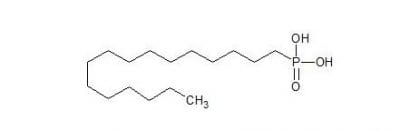
n-Hexadecylphosphonic Acid
View Product
n-Tetradecylphosphonic Acid
View Product
n-Dodecylphosphonic Acid
View ProductReady to Advance Your Research?
Partner with Reinste for high-quality phosphonic acid derivatives and innovative solutions in nano drug delivery and material science.
Get in Touch Today