Phosphonates in Advanced Catalysis: Unlocking New Frontiers for Indian Researchers and Industry
Dive into the transformative world of phosphonic acid derivatives, exploring their cutting-edge applications in nanocatalysis, MOFs, and photocatalysis, and their profound impact on India's scientific and industrial landscape.
Explore OpportunitiesIntroduction: The Catalytic Power of Phosphonates
In the dynamic landscape of chemical science and engineering, phosphonic acid derivatives, commonly known as phosphonates, are emerging as a class of compounds with unparalleled potential, particularly in the realm of advanced catalysis. These organic compounds, characterized by a carbon-phosphorus (C-P) bond, possess unique structural and chemical properties that make them invaluable for a myriad of applications, from surface modification to the creation of novel catalytic materials. Their inherent thermal stability, strong affinity for metal surfaces, and versatile functionalization capabilities set them apart from other organic ligands and linkers.
For Indian researchers and industries, the exploration and application of phosphonates in catalysis represent a significant opportunity to drive innovation and sustainability. India's growing emphasis on green chemistry, indigenous technological development, and the production of high-value chemicals necessitates the adoption of efficient, cost-effective, and environmentally benign catalytic processes. Phosphonates offer a robust platform to achieve these goals, contributing to advancements in various sectors including pharmaceuticals, agrochemicals, petrochemicals, and environmental remediation.
This article delves into the fascinating world of phosphonates, highlighting their fundamental characteristics, diverse applications in nanocatalysis, Metal-Organic Frameworks (MOFs), surface engineering, and photocatalysis. We will also explore the specific opportunities and trends relevant to the Indian scientific community and industrial landscape, aiming to foster a deeper understanding and encourage further research and development in this promising field.
Key Benefits for Researchers in India
Phosphonates offer a compelling array of advantages that can significantly empower researchers in India:
-
•
Enhanced Catalytic Activity and Selectivity: Phosphonate ligands can precisely tune the electronic and steric environment around active metal centers, leading to superior reaction rates and improved specificity for desired products, minimizing side reactions.
-
•
Improved Catalyst Stability and Recyclability: The strong coordination of phosphonates to metal surfaces or nanoparticles provides exceptional stability, preventing leaching or degradation of the catalyst, thus allowing for multiple reaction cycles and reduced waste.
-
•
Facilitation of Heterogeneous Catalysis: Phosphonates enable the immobilization of homogeneous catalysts onto solid supports, combining the advantages of high activity and selectivity with easy separation and recovery, crucial for industrial processes.
-
•
Versatile Surface Modification for Nanomaterials: Their ability to form robust bonds with metal oxides and other inorganic surfaces makes phosphonates ideal for functionalizing nanoparticles, quantum dots, and other nanomaterials, tailoring their properties for specific catalytic roles.
-
•
Applications in Green Chemistry: By enabling more efficient reactions, reducing catalyst waste, and facilitating solvent-free or aqueous phase reactions, phosphonates contribute significantly to the development of environmentally benign chemical processes.
-
•
Potential for Novel Material Design (MOFs, COFs): Phosphonates can act as versatile building blocks for constructing advanced porous materials like Metal-Organic Frameworks (MOFs) and Covalent-Organic Frameworks (COFs), opening avenues for highly selective and efficient catalysts.
Diverse Industrial Applications of Phosphonates in Catalysis
The unique properties of phosphonates translate into a wide array of high-impact applications across various industries:
Nanocatalysis
Phosphonate-functionalized nanoparticles, such as those based on gold, silver, palladium, and platinum, are revolutionizing organic synthesis. These hybrid catalysts exhibit superior activity and selectivity in reactions like hydrogenation, oxidation, and cross-coupling. The strong C-P bond ensures the stability of the organic modifier on the nanoparticle surface, preventing catalyst deactivation and enabling efficient recycling. This is particularly valuable for the pharmaceutical and fine chemical industries in India seeking greener and more efficient synthetic routes.
Metal-Organic Frameworks (MOFs)
Phosphonates serve as crucial organic linkers in the construction of Metal-Organic Frameworks (MOFs), creating highly stable, porous, and tunable materials. The strong coordination of phosphonate groups with metal clusters leads to MOFs with exceptional thermal and chemical stability, making them suitable for demanding catalytic environments. These phosphonate-based MOFs are explored for gas separation, CO2 capture, and heterogeneous catalysis, offering Indian industries advanced solutions for environmental and chemical processing challenges.
Photocatalysis
In photocatalysis, phosphonate-modified semiconductors like titanium dioxide (TiO2) and graphitic carbon nitride (g-C3N4) show enhanced efficiency in light-driven reactions. Phosphonates can improve charge separation, increase active surface sites, and enhance light absorption. This makes them highly effective for applications such as water splitting for hydrogen production, CO2 reduction to valuable fuels, and the degradation of organic pollutants in wastewater treatment, addressing critical energy and environmental needs in India.
Surface Engineering & Chemical Sensors
The ability of phosphonates to form robust self-assembled monolayers (SAMs) on various metal and metal oxide surfaces is exploited in surface engineering. This includes applications in corrosion inhibition, adhesion promotion, and creating biocompatible interfaces. Furthermore, phosphonates are integral in developing highly selective and sensitive chemical sensors for detecting specific ions or molecules, crucial for quality control in manufacturing and environmental monitoring across Indian industries.
India's Landscape: Opportunities and Emerging Trends
India is rapidly positioning itself as a global hub for research and innovation, particularly in areas like Nanocatalysis, Green Chemistry, and Advanced Materials. The unique properties of Phosphonates align perfectly with several national priorities and emerging trends, creating a fertile ground for their widespread adoption and development.
Green Chemistry Initiatives in India
With increasing environmental consciousness and stringent regulations, Indian industries are actively seeking sustainable chemical processes. Phosphonate-based catalysts offer pathways to reduce waste, minimize energy consumption, and replace hazardous reagents, directly contributing to India's commitment to Green Chemistry principles. This includes the development of eco-friendly catalysts for pharmaceutical synthesis and industrial chemical production.
Growth in Nanotechnology and Nanomaterials
Indian academic institutions and R&D centers are making significant strides in Nanotechnology. The ability of phosphonates to functionalize and stabilize Nanomaterials opens up immense opportunities for creating next-generation Nanocatalysts with enhanced performance. Research into phosphonate-modified graphene, carbon nanotubes, and metal oxide nanoparticles is particularly active, aiming for applications in energy, environment, and healthcare.
Advanced Materials Manufacturing
The demand for high-performance materials in sectors like automotive, aerospace, and electronics is fueling innovation in Advanced Materials manufacturing. Phosphonates, especially in the context of Surface Engineering and the creation of MOFs, provide versatile tools for tailoring material properties, offering solutions for corrosion protection, enhanced adhesion, and novel composite structures.
Environmental Remediation and Chemical Sensors
Addressing pollution and ensuring clean water and air are critical challenges in India. Phosphonate-based Photocatalysis and Adsorption Technology offer promising avenues for efficient pollutant degradation and removal. Furthermore, the development of highly sensitive Chemical Sensors utilizing phosphonate recognition layers is vital for real-time environmental monitoring and industrial process control.
Collaborative research between academia and industry, supported by government initiatives, is crucial to harness the full potential of phosphonates and translate cutting-edge research into tangible industrial applications, propelling India's scientific and economic growth.
Frequently Asked Questions about Phosphonates in Catalysis
Related Phosphonic Acid Derivatives for Your Research
Explore these high-quality phosphonic acid derivatives from Reinste and Hiyka, essential for your advanced catalysis, surface engineering, and materials science projects.

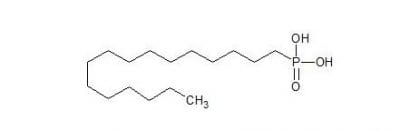


Advance Your Research with Reinste's Phosphonic Acid Derivatives
Ready to explore the potential of Phosphonates in your research or industrial application? Contact Reinste today for high-quality phosphonic acid derivatives and expert consultation!
Contact Us Now