Phosphonates and Organophosphorus Compounds: Catalyzing Innovation in Indian R&D
Uncover the transformative power of phosphonates in advancing surface chemistry, nanomaterials, and bio-nanotechnology, driving cutting-edge research and industrial applications across India.
Explore Applications
Introduction: The Unsung Heroes of Advanced Materials in India
In the dynamic landscape of Indian scientific research and industrial innovation, Phosphonates and Organophosphorus compounds are emerging as pivotal chemical entities. These versatile molecules, characterized by a robust carbon-phosphorus bond, offer unparalleled properties that are revolutionizing various fields from Surface Chemistry to Bio-nanotechnology. Unlike their phosphate counterparts, phosphonates exhibit exceptional hydrolytic and thermal stability, making them ideal for demanding applications. For Indian researchers and professionals, understanding the multifaceted applications and unique characteristics of these compounds is crucial for developing next-generation materials and technologies that can address local and global challenges.
The growing emphasis on advanced Materials Science in India, driven by sectors like healthcare, electronics, and environmental protection, places phosphonates at the forefront of innovation. Their ability to strongly bind to metal surfaces and form self-assembled monolayers (SAMs) makes them indispensable for creating functional interfaces. This blog delves into the scientific intricacies and practical implications of phosphonic acid derivatives, highlighting their significance in areas such as Nanomaterials, Chemical Sensors, and Catalysis Research. We aim to provide a comprehensive, humanized, and informative guide tailored to the needs of the Indian R&D community, showcasing how these compounds are not just laboratory curiosities but fundamental building blocks for future innovations, including their role as phosphonic acid derivatives for mass spectrometry.
From enhancing the durability of industrial coatings to enabling precise drug delivery systems, the influence of phosphonates is far-reaching. This exploration will shed light on how these compounds are empowering Indian scientists to push the boundaries of materials science and engineering, contributing significantly to the nation's technological self-reliance and global scientific standing.
Why Phosphonates Matter: Transformative Benefits for Indian Researchers & Industry
- Superior Surface Adhesion and Corrosion Inhibition: Phosphonates form strong, stable bonds with various metal oxides and other surfaces, creating highly durable and protective layers. This makes them ideal for advanced coatings, effective corrosion inhibition, and creating robust Surface Chemistry modifications. In India's diverse climatic conditions, from coastal humidity to arid regions, these properties are critical for extending the lifespan of infrastructure, automotive components, and industrial machinery, significantly reducing maintenance costs.
- Versatility in Nanomaterial Synthesis and Functionalization: Their ability to functionalize nanoparticles opens unprecedented avenues for advanced Nanomaterials. Researchers can design materials with tailored properties for electronics, energy storage, and environmental applications. For instance, phosphonate-capped quantum dots exhibit enhanced stability and tunable optical properties, crucial for next-generation displays and solar cells. This versatility is empowering Indian scientists to innovate in areas like smart textiles and advanced composites.
- Enhanced Bio-compatibility and Biomedical Applications: In Bio-nanotechnology, phosphonic acid derivatives are crucial for surface modification of medical implants, drug delivery systems, and biosensors. They improve the integration of devices with biological systems, minimize adverse reactions, and enable targeted delivery of therapeutic agents. This is particularly relevant for India's burgeoning healthcare sector, seeking cost-effective and efficient biomedical solutions.
- Advanced Chemical Sensors and Diagnostics: The unique coordination chemistry of Organophosphorus compounds allows for the development of highly sensitive and selective Chemical Sensors. These sensors can detect a wide range of analytes, from environmental pollutants to biomarkers for disease, with high precision. Such advancements are vital for environmental monitoring, food safety, and early disease diagnosis, addressing specific public health and environmental needs in India.
- Innovations in Catalysis Research and Green Chemistry: Phosphonates serve as excellent ligands and supports in Catalysis Research, leading to more efficient, selective, and sustainable chemical processes. They can stabilize noble metal nanoparticles, preventing aggregation and enhancing catalytic activity in various organic transformations. This is crucial for India's chemical industry, which is increasingly focused on developing greener and more sustainable manufacturing routes.
- Foundation for Metal-Organic Framework (MOF) Chemistry and Self-assembly: They are key components in the construction of Metal-Organic Frameworks (MOFs) and in directing molecular Self-assembly. MOFs, with their tunable porosity and high surface area, hold immense promise for gas storage, separations, and catalysis. Phosphonates provide robust linkers for MOF synthesis, offering new paradigms for material design and functionality, which is an active area of research in Indian advanced materials laboratories.
- Enhanced Analytical Capabilities with Mass Spectrometry: Phosphonic acid derivatives for mass spectrometry are gaining traction, providing enhanced detection and characterization capabilities for complex mixtures. Their unique ionization properties and ability to coordinate with metal ions can improve the sensitivity and specificity of mass spectrometric analysis, aiding pharmaceutical research, metabolomics, and environmental analysis.
Key Industrial Applications & Emerging Research Frontiers in India
Advanced Corrosion Inhibition & Protective Coatings
Phosphonates are extensively utilized as highly effective corrosion inhibitors, forming robust and passivating protective layers on various metal surfaces, including steel, aluminum, and zinc. Their strong chelating ability allows them to bind directly to metal ions, preventing oxidative degradation. Their application in paints, specialized coatings, and surface treatments significantly extends the lifespan of critical infrastructure, automotive components, and industrial equipment. This is a crucial factor for India's rapidly expanding manufacturing and construction sectors, where durability and longevity are paramount, especially in diverse and challenging environmental conditions.
Targeted Drug Delivery Systems in Bio-nanotechnology
In the realm of Bio-nanotechnology, phosphonic acid derivatives are integral to designing sophisticated targeted drug delivery systems. They can be precisely engineered to functionalize nanoparticles, liposomes, and polymeric carriers, enabling the accurate and controlled release of therapeutics to specific cells or tissues. This minimizes off-target effects, reduces drug dosage, and improves treatment efficacy, particularly for complex diseases like cancer. Indian pharmaceutical companies and research institutes are actively exploring these innovative approaches to develop more effective and patient-friendly medical solutions.
Sustainable Water Treatment & Desalination Technologies
Due to their excellent chelating and dispersing properties, phosphonates are indispensable in modern water treatment processes. They are widely employed as highly effective scale and corrosion inhibitors in industrial water systems, cooling towers, and desalination plants. By preventing the formation of mineral deposits and protecting equipment from degradation, phosphonates ensure the efficient and continuous operation of these vital facilities. This addresses India's growing water scarcity challenges by enabling more sustainable and efficient water management practices, including advanced membrane technologies.
Advanced Catalyst Supports & Functional Materials Engineering
The ability of Organophosphorus compounds to bind strongly to metal centers and form stable complexes makes them ideal for creating highly efficient and robust catalyst supports. They are utilized in heterogeneous catalysis to anchor active catalytic species, enhancing their stability, selectivity, and recyclability. This is vital for various chemical processes, including petrochemical refining, polymer synthesis, and fine chemical production, significantly boosting India's manufacturing capabilities and promoting sustainable industrial practices through greener catalytic routes.
Electronics and Optoelectronics
In the rapidly evolving electronics industry, phosphonates are finding applications in surface modification of semiconductors, dielectric layers, and organic light-emitting diodes (OLEDs). Their ability to form stable, thin films allows for precise control over interface properties, improving device performance, stability, and longevity. This is crucial for developing next-generation electronic components and flexible displays, areas where India is making significant strides in R&D and manufacturing.
Adhesives and Sealants with Enhanced Performance
The strong adhesion properties of phosphonates to a wide range of substrates make them valuable additives in adhesive and sealant formulations. They can improve bond strength, durability, and resistance to environmental factors, making them suitable for demanding applications in construction, aerospace, and automotive industries. This contributes to the development of high-performance materials essential for India's infrastructure development and advanced manufacturing sectors.
Indian Landscape: Emerging Opportunities and Research Trends in Phosphonate Chemistry
India's robust growth in pharmaceuticals, automotive, infrastructure, and electronics sectors presents significant opportunities for pioneering research and development in Phosphonates and Organophosphorus chemistry. The nation's scientific community is increasingly focused on sustainable and green chemistry practices, where phosphonic acid derivatives can play a crucial role in developing eco-friendly processes and materials with reduced environmental impact. This alignment with global sustainability goals positions India as a key player in responsible chemical innovation.
The focus on indigenous innovation, coupled with government initiatives like "Make in India" and "Atmanirbhar Bharat," drives demand for advanced Materials Science. Indian research institutions, including IITs, IISc, and various national laboratories, are actively exploring the synthesis of novel Nanomaterials functionalized with phosphonates. These efforts target applications in next-generation energy storage (e.g., solid-state batteries), environmental remediation (e.g., heavy metal adsorption, water purification), and advanced diagnostics. Collaborative research between academia and industry is fostering the development of tailored Chemical Sensors and innovative approaches in Catalysis Research, addressing specific industrial needs and market gaps within the country.
Furthermore, the burgeoning Bio-nanotechnology sector in India is actively investigating phosphonate-modified surfaces for advanced biosensors, biocompatible medical implants, and highly efficient targeted drug delivery systems. These advancements promise significant breakthroughs in healthcare, offering improved patient outcomes and more accessible treatment options. The exploration of MOF Chemistry and Self-assembly using these versatile compounds is also a significant trend, aiming to create materials with unprecedented properties for gas storage, selective separations, and high-performance catalysis, contributing to India's strategic materials capabilities.
The increasing demand for phosphonic acid derivatives for mass spectrometry in analytical laboratories across India further underscores their growing importance. This trend is driven by the need for more precise and sensitive analytical techniques in pharmaceutical quality control, environmental analysis, and advanced materials characterization. As India continues its trajectory as a global research and manufacturing hub, the role of phosphonates and organophosphorus compounds will undoubtedly expand, offering exciting opportunities for scientific discovery and industrial application.
Frequently Asked Questions about Phosphonates & Organophosphorus Compounds
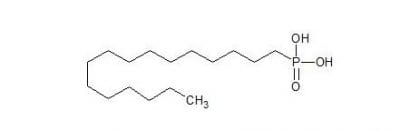
Phosphonates are organic compounds characterized by a stable carbon-phosphorus bond (C-PO(OH)2). This unique structural feature grants them exceptional chemical and thermal stability, making them highly versatile. Their primary applications span diverse fields, including robust corrosion inhibition, effective water treatment (as scale and dispersant agents), surface modification in advanced Nanomaterials, targeted drug delivery in cutting-edge Bio-nanotechnology, and as crucial ligands or supports in Catalysis Research and MOF Chemistry. They are also increasingly recognized for their role as phosphonic acid derivatives for mass spectrometry.
In Surface Chemistry, phosphonates are highly valued for their ability to form strong, self-assembled monolayers (SAMs) on a wide range of inorganic substrates, particularly metal oxides. These SAMs enable precise control over surface properties, allowing for functionalization, wettability modification, and enhanced adhesion, crucial for applications like anti-fouling coatings and biocompatible surfaces. For Nanomaterials, phosphonates are used to functionalize nanoparticles (e.g., iron oxide, gold, silica), enhancing their dispersion, preventing aggregation, and imparting specific reactivities. This leads to the development of stable and highly functional nanomaterials for diverse applications, including advanced Chemical Sensors, catalysts, and magnetic resonance imaging (MRI) contrast agents.
Organophosphorus compounds, particularly phosphonates, are crucial in Bio-nanotechnology for modifying biomaterials and creating bio-compatible surfaces. Their ability to bind strongly to bone mineral (hydroxyapatite) makes them ideal for orthopedic and dental implants, promoting osseointegration and reducing rejection. They are also utilized in developing advanced biosensors by immobilizing enzymes or antibodies onto surfaces, improving the integration of medical devices, and formulating targeted drug delivery systems due to their ability to interact specifically with biological molecules and surfaces. This precise control over bio-interfaces is essential for next-generation diagnostics and therapeutics.
For Indian researchers and professionals seeking high-quality Phosphonic Acid Derivatives, suppliers specializing in fine chemicals and research-grade materials are the best source. It's crucial to choose suppliers who can provide detailed product specifications, purity analysis, and reliable technical support. Companies like Reinste and Hiyka (linked in the header) often provide a wide range of these compounds, essential for cutting-edge Materials Science, Catalysis Research, and various advanced applications. Always ensure the supplier adheres to international quality standards for chemical reagents.
Explore Related Phosphonic Acid Derivatives for Your Research


Ready to Advance Your Research with Premium Chemicals?
Discover a wide range of high-quality phosphonic acid derivatives and other advanced materials essential for your scientific endeavors. Partner with us to accelerate your innovations.
Visit Hiyka Now