Phosphonates and Nanomaterials: Pioneering Innovations in Indian Research & Industry
Explore the synergy of advanced chemistry and nanotechnology, driving breakthroughs in biomedical imaging, organic synthesis, and material science for a brighter future in India.
India's scientific landscape is witnessing a remarkable confluence of advanced chemistry and materials science, particularly in the realm of phosphonates and nanomaterials. These two powerful domains, when integrated, unlock unprecedented potential for innovation across diverse sectors, from biomedical imaging to advanced material development. For Indian researchers and professionals, understanding this synergy is crucial for driving indigenous technological advancements and contributing to global scientific progress.
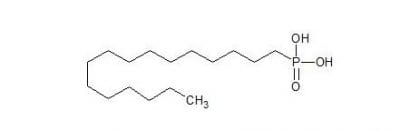
Phosphonates, characterized by their unique P-C bond, offer exceptional binding capabilities and thermal stability, making them ideal candidates for surface modification and drug delivery systems. When combined with the versatile properties of nanomaterials—materials engineered at the nanoscale—the possibilities expand exponentially, leading to the creation of novel bio-nanomaterials with enhanced functionalities. This blog delves into the fascinating world where phosphonate chemistry meets nanotechnology, highlighting its profound implications for India's burgeoning R&D and industrial sectors.
Key Benefits for Researchers and Industry
Enhanced Material Properties:Phosphonate-functionalized nanomaterials exhibit improved stability, dispersion, and tailored surface characteristics, crucial for high-performance applications in material science.
Targeted Biomedical Applications: Precision drug delivery, advanced biosensing, and superior contrast agents for biomedical imaging are achievable through the unique binding affinity of phosphonates to biological substrates and metal oxides, leading to innovative bio-nanomaterials.
Sustainable Chemical Solutions: Development of eco-friendly catalysts and adsorbents for environmental remediation, leveraging the strong complexation abilities of phosphonates with heavy metals.
Versatile Organic Synthesis:Phosphonates serve as key intermediates in various organic synthesis reactions, enabling the creation of complex molecules with high efficiency and selectivity, vital for pharmaceutical and agrochemical industries.
Advanced Chemical Sensing: Creation of highly sensitive and selective sensors for detecting pollutants, biomarkers, and other analytes, benefiting from the surface chemistry of phosphonate-nanomaterial composites.
Cost-Effective Innovation: By optimizing material usage and enhancing performance, phosphonate-nanomaterial combinations offer economically viable solutions for various industrial challenges, aligning with India's focus on affordable nanotechnology.
Transformative Applications Across Industries
Biomedical Imaging & Diagnostics
Phosphonate-coated nanoparticles are revolutionizing MRI, CT, and optical imaging by acting as superior contrast agents. Their ability to target specific tissues, especially bone, makes them invaluable for early disease detection and monitoring in oncology and orthopedics. This is a critical area for phosphonic acid derivatives in biomedical imaging.
Drug Delivery Systems
Bio-nanomaterials functionalized with phosphonates can encapsulate therapeutic agents and deliver them precisely to target cells or organs, minimizing side effects and enhancing treatment efficacy for conditions like cancer and infectious diseases. This showcases the power of nanotechnology in medicine.
Advanced Coatings & Corrosion Inhibition
The strong adhesion of phosphonates to metal surfaces makes them excellent components in anti-corrosion coatings, extending the lifespan of infrastructure and industrial equipment, a critical need in India's industrial growth and material science.
Catalysis & Green Chemistry
Phosphonate-modified nanomaterials act as efficient heterogeneous catalysts, facilitating a range of organic synthesis transformations with improved yields and reduced environmental impact, promoting sustainable chemical processes.
Environmental Remediation
Nanocomposites incorporating phosphonates are highly effective in removing heavy metals, organic pollutants, and radionuclides from water and soil, offering innovative solutions for India's pressing environmental challenges and demonstrating advanced chemical analysis.
Chemical Sensing & Biosensors
The specific binding properties of phosphonates enable the development of highly sensitive and selective biosensors for detecting pathogens, toxins, and disease biomarkers, crucial for public health and food safety, showcasing advanced chemical sensing capabilities.
Opportunities and Trends in India
India's burgeoning research and development landscape, coupled with robust government support for science and nanotechnology, presents fertile ground for advancements in phosphonate and nanomaterial research. The 'Make in India' initiative and focus on indigenous innovation are driving demand for advanced materials and chemical solutions. Indian institutions are actively engaged in cutting-edge research in bio-nanomaterials, exploring their applications in diagnostics, therapeutics, and regenerative medicine.
The growing emphasis on sustainable technologies also positions phosphonate-based solutions for environmental remediation and green chemistry at the forefront. Collaborations between academia and industry are fostering the translation of laboratory discoveries into commercial products, creating a vibrant ecosystem for innovation. Furthermore, the increasing prevalence of lifestyle diseases and the need for advanced healthcare solutions are fueling research into phosphonic acid derivatives in biomedical imaging and targeted drug delivery.
The strong foundation in organic synthesis and chemical analysis within India's scientific community provides a robust platform for developing novel phosphonate compounds and their integration into sophisticated nanomaterial architectures. As global interest in nanotechnology continues to surge, India is poised to become a key player, leveraging its scientific talent and infrastructure to lead in the development and application of these transformative technologies. The future promises exciting breakthroughs in surface chemistry, nanocomposites, and chemical sensing, all underpinned by the versatile chemistry of phosphonates and the unique properties of nanomaterials.
Frequently Asked Questions
Phosphonates are organic compounds containing a C-PO(OH)2 group. Their importance in nanotechnology stems from their strong and stable binding affinity to various surfaces, especially metal oxides, allowing for robust surface functionalization of nanomaterials. This enables tailored properties for applications like drug delivery, imaging, and catalysis.
Phosphonic acid derivatives can be used to functionalize nanoparticles, creating highly effective contrast agents for various imaging modalities (e.g., MRI, CT). Their strong binding to bone and other biological targets allows for improved specificity and sensitivity in detecting diseases like cancer and bone disorders, making them vital in biomedical imaging.
Bio-nanomaterials, often functionalized with phosphonates, act as sophisticated carriers for drugs. They can encapsulate therapeutic agents, protect them from degradation, and deliver them precisely to target cells or tissues, minimizing systemic side effects and enhancing therapeutic efficacy.
Absolutely. Phosphonate-nanomaterial composites are highly effective in environmental remediation. They can efficiently adsorb and remove heavy metals, organic pollutants, and even radioactive substances from contaminated water and soil, offering sustainable solutions for pollution control and showcasing advanced chemical analysis techniques.
Indian researchers have significant opportunities in developing novel phosphonate synthesis routes, designing advanced bio-nanomaterials for healthcare, exploring sustainable catalytic systems, and creating next-generation chemical sensors. Collaboration with industry and international partners can accelerate the translation of research into impactful technologies.
Phosphonates are versatile building blocks and reagents in organic synthesis. They are crucial intermediates in reactions like the Horner-Wadsworth-Emmons reaction, enabling the formation of carbon-carbon double bonds, which are vital for synthesizing complex organic molecules used in pharmaceuticals, agrochemicals, and material science.