
Phosphonate Sensors: Revolutionizing Environmental Monitoring and Water Pollutant Detection in India
Delve into the cutting-edge world of phosphonate sensors, exploring their pivotal role in advanced chemical nanosensing and precise organophosphorus analytics, crucial for safeguarding India's water resources.
Explore Our Solutions
Introduction: The Critical Role of Phosphonate Sensors in India's Environmental Future
India, with its rapid industrialization and agricultural advancements, faces an escalating challenge in environmental management, particularly concerning water quality. The presence of organophosphorus compounds, often used as pesticides and industrial chemicals, poses significant threats to ecosystems and human health. Traditional methods of detection can be time-consuming, expensive, and lack the necessary sensitivity for trace pollutants. This is where phosphonate sensors emerge as a game-changer. These advanced devices, rooted in the innovative chemistry of phosphonic acid derivatives for environmental monitoring, are revolutionizing how we detect, quantify, and mitigate these harmful substances. They represent a crucial leap forward in chemical nanosensing and water pollutant detection, offering precise and rapid analytical capabilities vital for researchers and professionals across India's diverse R&D landscape and industrial sectors.
The demand for robust and efficient environmental monitoring technologies is at an all-time high. From safeguarding agricultural land to ensuring the purity of drinking water, the application of organophosphorus analytics through cutting-edge sensor technology is becoming indispensable. This blog explores the profound impact of phosphonate sensors, highlighting their mechanisms, applications, and the immense opportunities they present for India's scientific community and its journey towards sustainable development.
Key Benefits for Indian Researchers and Professionals
- Highly Selective Detection: Phosphonate sensors offer unparalleled specificity in identifying organophosphorus compounds, minimizing false positives and ensuring accurate data for water pollutant detection.
- Real-time and Rapid Analysis: Unlike traditional lab-based methods, these sensors provide immediate results, enabling prompt decision-making for environmental monitoring and emergency response.
- Cost-effective and Portable Solutions: Designed for field deployment, many environmental nanodevices based on phosphonate sensing are economical and easy to transport, making them ideal for diverse Indian geographical conditions.
- Enhanced Sensitivity for Trace Pollutants: Leveraging advanced chemical nanosensing principles, these sensors can detect even minute concentrations of harmful substances, crucial for early warning systems.
- Versatility in Environmental Matrices: Effective across various samples including water, soil, and air, providing comprehensive pollution monitoring tech capabilities.
- Contribution to Sustainable Practices: By enabling precise detection, phosphonate sensors support targeted interventions, reducing environmental impact and fostering sustainable development.
- Support for Advanced Research: These sensors serve as invaluable tools for researchers delving into nanomaterial environmental applications and developing next-generation smart chemical materials.
Diverse Applications Across Indian Industries
Water Quality Assessment
Crucial for monitoring rivers, lakes, and groundwater across India, detecting pesticide residues and industrial effluents to ensure safe drinking water and healthy aquatic ecosystems. Essential for water pollutant detection initiatives.
Industrial Effluent Monitoring
Enabling industries to comply with stringent environmental regulations by accurately detecting phosphonate-based chemicals in their discharge, promoting responsible industrial practices and environmental monitoring.
Agricultural Runoff Analysis
Tracking the spread of organophosphorus analytics pesticides from agricultural areas into water bodies, helping to manage and reduce agricultural pollution and its impact on the environment.
Food Safety & Quality Control
Detecting phosphonate residues in food products ensures consumer safety and adherence to food standards, a critical aspect of public health in a populous nation like India.
Environmental Forensics
Assisting in identifying the sources of pollution and tracing contaminant pathways, crucial for environmental investigations and legal compliance, leveraging chemical nanosensing expertise.
Research & Development
Providing advanced tools for academic and industrial research into new phosphonic acid derivatives for environmental monitoring, nanomaterial environmental applications, and developing next-generation environmental nanodevices.
India-Specific Opportunities and Emerging Trends in Sensor Technology
India's unique environmental challenges and burgeoning technological landscape create fertile ground for the adoption and innovation of phosphonate sensors. The "Make in India" initiative, coupled with a strong focus on sustainable development, is driving the indigenous development of advanced pollution monitoring tech. This includes the creation of robust, field-deployable environmental nanodevices that can withstand diverse climatic conditions and provide accurate data for policy-making.
A significant trend is the integration of chemical nanosensing with Artificial Intelligence (AI) and the Internet of Things (IoT). This synergy allows for real-time, continuous environmental monitoring, predictive analysis of pollution trends, and automated alerts for water pollutant detection. Indian researchers are actively exploring nanochemistry environment applications, developing novel smart chemical materials that enhance sensor sensitivity and selectivity, moving beyond traditional methods for organophosphorus analytics.
Furthermore, there's a growing interest in multi-analyte sensing platforms, capable of detecting not just phosphonates but also other critical pollutants like heavy metal nanosensors, simultaneously. This holistic approach is vital for comprehensive water quality management. Collaborations between academic institutions, government bodies, and private industries are fostering an ecosystem of innovation, accelerating the translation of laboratory research into practical solutions for a cleaner, healthier India. The emphasis on localized solutions for nanomaterial environmental challenges positions India as a leader in this critical technological domain.
Frequently Asked Questions about Phosphonate Sensors
Phosphonate sensors are advanced chemical nanosensing devices designed to detect and quantify phosphonate compounds, which are often found as pollutants in water, soil, and biological samples. They leverage unique chemical interactions to provide highly selective and sensitive detection.
Phosphonate compounds, including many organophosphorus pesticides and industrial chemicals, pose significant environmental and health risks. Phosphonate sensors enable real-time, accurate, and rapid detection of these pollutants, crucial for effective environmental monitoring, water quality assessment, and safeguarding public health.
Phosphonate sensors typically operate on principles of molecular recognition, where a sensing element (often a nanomaterial or a specially designed molecule) selectively binds to phosphonate groups. This binding event then triggers a measurable signal, such as an optical, electrochemical, or mass change, which is correlated to the concentration of the phosphonate.
These sensors are primarily designed for organophosphorus analytics, detecting a range of phosphonate-containing compounds. This includes various pesticides (e.g., glyphosate, malathion), nerve agents, and industrial chemicals. Their specificity can be tailored for particular phosphonate derivatives.
In India, phosphonate sensor technology holds immense promise for addressing critical environmental challenges. Future trends include the development of more portable, cost-effective, and robust sensors for field deployment, integration with IoT for real-time data transmission, and the creation of multi-analyte platforms capable of detecting various pollutants simultaneously, supporting the 'Smart Cities' and 'Clean India' initiatives.
Explore Related Phosphonic Acid Derivatives
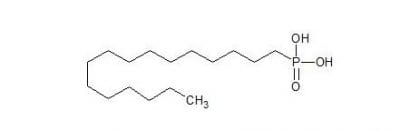


Advance Your Research with Reinste's Phosphonic Acid Derivatives
Reinste provides high-quality phosphonic acid derivatives and nanomaterial environmental solutions tailored for cutting-edge chemical nanosensing and environmental monitoring applications.
Discover Our Full Range