
Phosphonate Nanotechnology: Revolutionizing Research and Industry in India
Explore how cutting-edge phosphonate nanomaterials are driving innovation, offering unparalleled solutions in diverse sectors from environmental remediation to advanced materials, specifically tailored for the burgeoning Indian R&D landscape.
Learn MoreThe Dawn of a New Era: Phosphonate Nanotechnology in India
India's scientific landscape is rapidly evolving, driven by a strong focus on innovation and sustainable development. In this dynamic environment, phosphonate nanotechnology emerges as a critical frontier, promising transformative solutions across a myriad of sectors. Phosphonates, characterized by their unique P-C bond, exhibit exceptional thermal stability, strong metal binding capabilities, and versatile surface chemistry. When these properties are scaled down to the nanoscale, as in nano-phosphonic acids and phosphonate nanomaterials, their potential multiplies exponentially.
For Indian researchers and professionals, this field represents not just an academic pursuit but a practical pathway to addressing pressing national challenges, from environmental pollution to enhancing industrial efficiency and developing advanced healthcare solutions. The ability of functional phosphonates to interact effectively with various surfaces and chemical species at the nanoscale opens doors to unprecedented material performance and novel applications. This article delves into the profound impact of phosphonate nanotechnology, highlighting its relevance and immense opportunities for India's R&D and industrial sectors. We will explore how these advanced materials are set to redefine standards in areas critical to India's growth and sustainability.
The intersection of nanotechnology and phosphonate chemistry is creating a new class of materials with tunable properties, offering unprecedented control over chemical and physical interactions. This precision is particularly valuable in fields requiring high specificity and efficiency, such as advanced catalysis, targeted drug delivery, and sophisticated sensor development. As India continues to invest heavily in scientific research and technological advancement, the role of phosphonate nanomaterials in shaping future innovations becomes increasingly prominent.
Unlocking Potential: Benefits for Indian Researchers
Phosphonate nanotechnology offers a robust toolkit for Indian researchers, enabling breakthroughs across diverse scientific disciplines. Its unique characteristics provide distinct advantages in material science, environmental engineering, and biomedical research.
-
Enhanced Material Properties
Phosphonate groups can significantly improve the performance of various materials. For instance, they impart superior corrosion resistance to metals, enhance the flame-retardant properties of polymers, and improve the adhesion of coatings. This is crucial for industries in India focused on infrastructure development and manufacturing, where material durability and safety are paramount. Researchers can synthesize functional phosphonates to tailor materials for specific applications, leading to more robust and long-lasting products.
-
Novel Drug Delivery Systems
In the pharmaceutical sector, nano-phosphonic acids are being explored for targeted drug delivery. Their ability to bind to bone minerals makes them excellent candidates for treating bone-related diseases like osteoporosis or bone cancer, minimizing systemic side effects. This area holds immense promise for improving patient outcomes in India, especially in developing more effective and localized therapies.
-
Efficient Catalysts for Chemical Reactions
Phosphonate nanomaterials can act as highly efficient heterogeneous catalysts, offering increased surface area and specific active sites. This leads to faster reaction rates, higher selectivity, and easier separation from reaction mixtures, contributing to greener and more sustainable chemical processes. Indian chemical industries can benefit from these advancements to reduce waste and energy consumption.
-
Advanced Sensors for Environmental Monitoring
The strong binding affinity of phosphonates for various metal ions and organic compounds makes them ideal for developing highly sensitive and selective sensors. These sensors can be deployed for real-time monitoring of pollutants in water, air, and soil, providing crucial data for environmental protection initiatives in India. This directly ties into the urgent need for robust environmental surveillance.
-
Sustainable Solutions for Water Treatment
One of the most significant benefits for India is the application of phosphonic acid derivatives for wastewater treatment. These materials can effectively remove heavy metals, dyes, and other contaminants from industrial effluents and municipal wastewater, offering sustainable and cost-effective solutions to India's water scarcity and pollution challenges.
-
Cost-Effective Synthesis & Collaboration
Researchers are continuously developing more economical and scalable synthesis methods for phosphonate nanomaterials, making them accessible for widespread adoption. Furthermore, the interdisciplinary nature of phosphonate nanotechnology fosters collaboration between academia and industry, accelerating the translation of research into tangible products and solutions for the Indian market.
Diverse Applications of Phosphonate Nanomaterials in Industry
The versatility of phosphonate applications extends across a broad spectrum of industries, offering innovative solutions to complex engineering and environmental problems.
Wastewater Treatment & Environmental Remediation
A critical area for India, phosphonic acid derivatives for wastewater treatment are highly effective. They are employed for the removal of heavy metals like lead, cadmium, and arsenic, as well as various organic pollutants and dyes from industrial effluents and municipal wastewater. Their strong chelation properties and high adsorption capacities make them superior adsorbents, contributing significantly to cleaner water resources.
Corrosion Inhibition for Infrastructure
Phosphonates are renowned for their ability to form stable protective layers on metal surfaces, effectively inhibiting corrosion. This application is vital for extending the lifespan of critical infrastructure, pipelines, industrial equipment, and automotive components in India, reducing maintenance costs and ensuring operational safety. Functional phosphonates provide robust and long-lasting protection.
Biomedical & Pharmaceutical Advancements
The biocompatibility and bone-targeting capabilities of certain phosphonate nanomaterials make them invaluable in biomedical applications. They are utilized in drug delivery systems, particularly for bone-targeting drugs, as contrast agents in bioimaging, and in tissue engineering for bone regeneration. This opens new avenues for therapeutic interventions and diagnostics in the Indian healthcare sector.
Advanced Material Science & Coatings
In material science, phosphonates are used to modify surfaces, enhance adhesion, and improve the flame retardancy of polymers and textiles. They are integral components in the development of advanced coatings, composites, and adhesives, offering superior performance characteristics. The development of advanced phosphonates is driving innovation in high-performance materials.
Agriculture & Soil Remediation
Phosphonate-based compounds are finding applications in agriculture as plant growth regulators, fungicides, and as components in slow-release fertilizers. Their ability to chelate metal ions also makes them useful in soil remediation, helping to mitigate heavy metal contamination in agricultural lands, which is a growing concern in certain regions of India.
Energy Storage & Catalysis
The unique coordination chemistry of phosphonates is being leveraged in energy applications, including as components in electrolytes for batteries and fuel cells, and as catalysts for various chemical transformations. Their stability and tunable properties contribute to improved efficiency and longevity in energy storage devices, supporting India's push towards renewable energy.
India's Horizon: Opportunities and Emerging Trends in Phosphonate Research
The landscape for phosphonate research and development in India is ripe with opportunities, fueled by national priorities and a burgeoning scientific ecosystem.
Government Initiatives and Industrial Demand
India's strategic initiatives like 'Make in India', 'Swachh Bharat Abhiyan' (Clean India Mission), and 'Digital India' are creating significant demand for advanced materials and sustainable technologies. This directly translates into a need for innovative solutions that phosphonate nanotechnology can provide. For instance, the focus on clean water and sanitation under Swachh Bharat Abhiyan drives the demand for effective phosphonic acid derivatives for wastewater treatment. Similarly, 'Make in India' encourages local production of high-performance materials, where advanced phosphonates play a crucial role in enhancing product durability and functionality.
The rapid expansion of India's pharmaceutical, chemical, and manufacturing sectors also presents a fertile ground for the adoption of phosphonate nanomaterials. These industries are constantly seeking ways to improve process efficiency, reduce environmental impact, and develop novel products, all of which are areas where functional phosphonates offer distinct advantages.
Academic-Industrial Collaborations and Skill Development
A growing trend in India is the strengthening of collaborations between academic institutions and industrial partners. Universities and research institutes are actively engaging with industries to translate fundamental nanomaterial chemistry research into practical applications. This synergy is vital for accelerating the development and commercialization of phosphonate-based technologies. Furthermore, there's a concerted effort to build a skilled workforce capable of driving innovation in this specialized field, ensuring a sustainable pipeline of talent for future phosphonate research.
Emerging trends also point towards the development of more eco-friendly and biodegradable phosphonic acid synthesis routes and the exploration of phosphonates in renewable energy applications. As India commits to ambitious climate goals, the role of these materials in developing efficient solar cells, energy storage devices, and sustainable chemical processes will become increasingly prominent. The focus on 'green chemistry' and circular economy principles is set to shape the next generation of phosphonate applications.
Frequently Asked Questions about Phosphonate Nanotechnology
Explore Related Phosphonic Acid Derivatives

n-Octadecylphosphonic Acid
View Product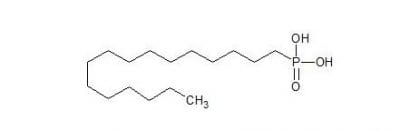
n-Hexadecylphosphonic Acid
View Product
n-Tetradecylphosphonic Acid
View Product
n-Dodecylphosphonic Acid
View ProductReady to Advance Your Research with Phosphonate Nanomaterials?
Reinste offers a comprehensive range of high-quality phosphonic acid derivatives and nanomaterials. Partner with us to accelerate your innovations and contribute to India's scientific and industrial growth.
Contact Our Experts Today