Phosphonate Nanomaterials: Catalyzing Innovation in Indian Research & Industry
Explore the transformative potential of advanced phosphonate nanomaterials, driving breakthroughs in surface functionalization, corrosion inhibition, bio-conjugation, and more, tailored for India's dynamic R&D landscape.
Learn MoreUnlocking Potential: Phosphonate Nanomaterials in India
In the rapidly evolving landscape of materials science, phosphonate nanomaterials have emerged as a cornerstone for innovation, particularly in countries like India, which are at the forefront of scientific and industrial advancement. These unique compounds, characterized by their robust phosphonate groups, offer unparalleled capabilities in surface functionalization, enabling the creation of advanced materials with tailored properties. From enhancing the durability of industrial components to revolutionizing biomedical applications, the versatility of nano-phosphonates is reshaping various sectors. Indian researchers and professionals are increasingly recognizing their potential to address critical challenges and drive sustainable development across diverse industries.
The strong affinity of phosphonate groups for metal oxides and other surfaces makes them exceptional candidates for creating stable and highly functional interfaces. This property is crucial for developing next-generation materials for corrosion inhibitors, catalysis nanomaterials, and smart coatings. As India pushes for self-reliance and technological leadership, the strategic integration of phosphonate nanomaterials in research and manufacturing processes is not just an opportunity but a necessity for achieving global competitiveness and fostering a knowledge-driven economy.
Key Benefits for Indian Researchers
- Enhanced Material Performance: Phosphonate nanomaterials enable the creation of high-performance composites, coatings, and devices with superior mechanical, thermal, and chemical stability, crucial for demanding Indian industrial applications.
- Versatile Surface Functionalization: Researchers can precisely modify surfaces at the nanoscale, leading to novel functionalities for sensors, catalysts, and bio-conjugation platforms, opening new avenues in biotechnology and diagnostics.
- Advanced Corrosion Inhibition: Develop highly effective and environmentally friendly corrosion inhibitors for critical infrastructure and industrial assets, significantly extending their lifespan and reducing maintenance costs, a major concern for Indian industries.
- Sustainable Solutions: Contribute to greener technologies through efficient water purification systems, advanced catalysis, and energy storage materials, aligning with India's commitment to sustainable development goals.
- Multidisciplinary Research Opportunities: Offers a rich platform for interdisciplinary collaboration, bridging chemistry, materials science, engineering, and biology, fostering a holistic approach to problem-solving.
- Innovation in Drug Delivery: Design targeted drug delivery systems with improved bioavailability and reduced side effects, addressing critical healthcare needs in India.
- Development of MOF Materials: Utilize phosphonates as linkers for Metal-Organic Frameworks (MOFs), creating porous materials for gas storage, separation, and advanced catalysis.
Transformative Industry Applications in India
Corrosion Inhibition for Infrastructure
Phosphonate nanomaterials are revolutionizing the protection of steel and other metals in India's vast infrastructure projects. Their ability to form robust, self-assembled monolayers offers superior and long-lasting protection against corrosion, crucial for bridges, pipelines, and industrial machinery, reducing significant economic losses.
Advanced Catalysis for Chemical Industry
In the chemical and petrochemical sectors, phosphonate nanomaterials are used to design highly efficient and selective catalysts. Their unique surface properties allow for enhanced reaction rates and improved yields, contributing to more sustainable and cost-effective manufacturing processes across India.
Targeted Drug Delivery & Bio-conjugation
The healthcare sector benefits immensely from phosphonate nanomaterials. They are integral to developing advanced drug delivery systems, enabling precise targeting of therapeutic agents and improving patient outcomes. Their bio-conjugation capabilities are also vital for diagnostics and biosensors.
Water Purification & Environmental Remediation
Addressing India's water challenges, phosphonate nanomaterials are employed in advanced filtration and adsorption systems for efficient water purification. They effectively remove heavy metals, organic pollutants, and pathogens, providing access to cleaner and safer water resources.
Smart Coatings for Diverse Surfaces
From automotive to aerospace, phosphonate-based smart coatings offer enhanced durability, self-healing properties, and anti-fouling capabilities. These coatings protect surfaces from wear, tear, and environmental degradation, extending product lifespans and reducing maintenance.
Advanced MOF Materials for Gas Storage
Phosphonate linkers are key in synthesizing Metal-Organic Frameworks (MOFs), which are highly porous materials with vast internal surface areas. These MOF materials are critical for efficient gas storage, separation technologies, and advanced sensing, areas of growing interest in India.
India's Growing Frontier: Trends and Opportunities in Nano-Phosphonates
The landscape for phosphonate nanomaterials in India is ripe with opportunities, driven by increasing investments in R&D, a burgeoning manufacturing sector, and a strong focus on sustainable technologies. Indian government initiatives, such as "Make in India" and "Startup India," are actively promoting advanced materials research and indigenous production, creating a fertile ground for the development and adoption of nano-phosphonates. There's a significant trend towards exploring these materials for their properties in enhancing energy efficiency, developing robust sensors, and creating next-generation biomedical implants.
Furthermore, the demand for high-performance smart coatings and advanced corrosion inhibitors in critical sectors like defense, aerospace, and marine engineering is propelling research in phosphonate-based solutions. Academic institutions and industrial players are increasingly collaborating to translate laboratory breakthroughs into commercial products. The unique properties of phosphonic acid derivatives are also being explored for novel applications in water purification, addressing the nation's need for clean water, and in drug delivery systems, aiming to improve public health outcomes. This dynamic environment positions India as a key player in the global phosphonate nanomaterials market.
The future holds immense promise for MOF materials and bio-conjugation techniques utilizing phosphonates, opening doors for advanced gas separation and personalized medicine. With a strong talent pool and a supportive ecosystem, India is poised to lead in the innovation and application of these transformative nanomaterials.
Frequently Asked Questions about Phosphonate Nanomaterials
Phosphonate nanomaterials are a class of advanced materials where phosphonic acid derivatives are integrated into nanoscale structures. These materials exhibit unique properties owing to the strong binding capabilities of phosphonate groups to various surfaces, making them ideal for surface functionalization, creating smart coatings, and enhancing material performance at the nanoscale. Their versatility stems from the ability to tailor their chemical structure for specific applications.
Phosphonate nanomaterials are highly effective corrosion inhibitors. The phosphonate groups form strong, self-assembled monolayers on metal surfaces, creating a protective barrier that prevents corrosive agents from reaching the substrate. This robust passivation layer significantly enhances the durability and lifespan of metals, offering a superior alternative to traditional anti-corrosion methods, especially in harsh industrial environments.
In India, phosphonate nanomaterials are finding diverse applications across various sectors. They are crucial in developing advanced materials for infrastructure (corrosion inhibitors for steel), healthcare (drug delivery systems, bio-conjugation), environmental remediation (water purification), and electronics (dielectric layers, surface modification). The growing emphasis on sustainable and high-performance materials in India's industrial landscape makes phosphonate nanomaterials a critical area of research and development.
Yes, phosphonate nanomaterials are highly promising for drug delivery systems due to their excellent biocompatibility and ability to conjugate with various biomolecules. They can encapsulate therapeutic agents, protecting them from degradation and enabling targeted delivery to specific cells or tissues. The surface functionalization capabilities of phosphonates allow for precise control over drug release kinetics and improved therapeutic efficacy, minimizing side effects.
Related Phosphonic Acid Derivatives

n-Octadecylphosphonic Acid
View Product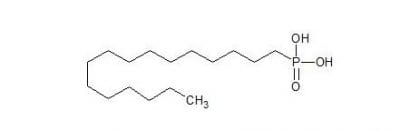
n-Hexadecylphosphonic Acid
View Product
n-Tetradecylphosphonic Acid
View Product
n-Dodecylphosphonic Acid
View ProductReady to Explore the Future of Materials?
Discover how Reinste can empower your research and industrial applications with high-quality phosphonate nanomaterials and derivatives.
Contact Our Experts