
Phosphonate MOFs: Revolutionizing Hydrogen Storage for India's Energy Future
Explore the cutting-edge advancements in Metal-Organic Frameworks based on phosphonic acids, offering sustainable and efficient solutions for solid-state hydrogen storage, crucial for India's growing energy demands.
Explore Advanced MaterialsThe Dawn of Efficient Hydrogen Storage: Phosphonate MOFs
As India continues its ambitious journey towards a sustainable energy future, the need for efficient and safe hydrogen storage solutions becomes paramount. Hydrogen, a clean energy carrier, holds immense promise, but its widespread adoption is currently hindered by challenges related to its storage. This is where advanced nanomaterials, specifically Phosphonate Metal-Organic Frameworks (MOFs), emerge as a game-changer. These innovative materials are at the forefront of solid-state hydrogen storage research, offering a pathway to overcome existing limitations and unlock hydrogen's full potential.
Phosphonate MOFs are a fascinating class of porous, crystalline compounds formed by the coordination of metal ions or clusters with organic ligands containing phosphonic acid groups. The unique chemistry of phosphonic acids allows for the creation of incredibly stable and highly tunable frameworks. For Indian researchers and professionals, understanding and leveraging these advanced phosphonic acids and their derivatives is key to developing next-generation energy materials. The robust nature and diverse structural possibilities of Metal Phosphonate Frameworks make them ideal candidates for demanding applications like high-capacity hydrogen storage.
This blog delves into the intricate world of Phosphonate MOFs, exploring their synthesis, properties, and the transformative impact they can have on hydrogen storage nanomaterials. We will highlight their relevance to India's R&D landscape and industrial applications, emphasizing how these hybrid energy materials can propel the nation towards a greener, more energy-secure future.
Key Benefits for Researchers in Hydrogen Storage Nanomaterials
High Surface Area & Porosity
Phosphonate MOFs boast exceptionally high surface areas and tunable pore sizes, providing abundant sites for hydrogen adsorption. This characteristic is crucial for maximizing storage capacity in solid-state hydrogen storage systems.
Exceptional Chemical & Thermal Stability
The strong metal-phosphonate bonds confer superior chemical and thermal stability compared to many other MOF types, making them robust for real-world applications and diverse operating conditions.
Tunable Functionality & Synthesis Flexibility
Phosphonic acid chemistry allows for easy functionalization of ligands, enabling precise control over pore environment and hydrogen interaction. This flexibility facilitates the design of MOFs tailored for specific storage conditions.
Enhanced Hydrogen Adsorption & Desorption Kinetics
Through careful design, Phosphonate MOFs can exhibit improved kinetics for both hydrogen uptake and release, addressing one of the major challenges in practical hydrogen storage systems.
Cost-Effectiveness & Scalability Potential
Research into more accessible synthetic routes and abundant raw materials is making Phosphonate MOFs increasingly viable for large-scale production, contributing to more affordable energy solutions.
Environmental Friendliness
Many Phosphonate MOF syntheses are moving towards greener chemistry principles, utilizing less toxic solvents and methods, aligning with global sustainability goals and responsible research practices.
Industrial Applications of Metal Phosphonate Frameworks
Automotive & Transportation
Enabling lighter, safer, and more efficient hydrogen storage tanks for fuel cell vehicles, reducing range anxiety and enhancing performance. Critical for the future of clean mobility.
Stationary Power Generation
Providing reliable hydrogen storage for grid-scale energy storage systems, supporting renewable energy integration and ensuring consistent power supply for communities and industries.
Portable Electronics & Drones
Developing compact and lightweight hydrogen storage solutions for extended battery life in portable devices, drones, and remote sensors, crucial for various tech sectors.
Industrial Hydrogen Supply
Improving the safety and efficiency of hydrogen transport and storage for various industrial processes, including chemical manufacturing and metallurgy, where hydrogen is a key feedstock.
India's Edge: Opportunities and Trends in Advanced Phosphonic Acids
India stands at a pivotal moment, poised to become a global leader in green energy. The government's strong emphasis on hydrogen as a future fuel, coupled with initiatives like "Make in India" and "National Hydrogen Mission," creates fertile ground for the advancement of Phosphonate MOFs and related hydrogen storage nanomaterials. Indian research institutions and industries are increasingly focusing on developing indigenous technologies for solid-state hydrogen storage, moving away from conventional high-pressure gas cylinders. This shift necessitates innovative materials science, making phosphonic acid chemistry a critical area of expertise.
The trend towards advanced phosphonic acids is gaining momentum, driven by their versatility in forming robust Metal Phosphonate Frameworks. These frameworks are not only stable but also offer exceptional tunability, allowing researchers to fine-tune their properties for optimal hydrogen adsorption and desorption. Furthermore, the integration of nanocatalysis hydrogen approaches within these MOF structures is opening new avenues for improving reaction kinetics and efficiency, crucial for practical applications.
Collaboration between academia and industry is flourishing, leading to breakthroughs in functional nanomaterials for energy applications. Indian companies are exploring partnerships to scale up the synthesis of these hybrid energy materials, moving from laboratory-scale experiments to industrial production. This push is vital for establishing a robust supply chain for advanced materials that underpin the hydrogen economy. The focus is not just on storage but also on the entire energy materials chemistry ecosystem, including hydrogen production and utilization.
Moreover, the emphasis on indigenous R&D means a greater demand for skilled professionals in materials science, chemical engineering, and nanotechnology. India's vast pool of scientific talent can be harnessed to accelerate research in phosphonic acid derivatives for hydrogen storage, positioning the nation as a hub for innovation in clean energy technologies. The long-term vision includes developing integrated systems where MOF-based storage solutions are seamlessly incorporated into renewable energy infrastructure, ensuring a sustainable and secure energy future for all.
Frequently Asked Questions about Phosphonate MOFs
Phosphonate Metal-Organic Frameworks (MOFs) are a class of porous, crystalline materials constructed from metal ions or clusters coordinated to organic ligands containing phosphonic acid groups. These frameworks possess unique properties like high surface area, tunable pore sizes, and robust chemical stability, making them excellent candidates for various applications, especially in gas storage and catalysis.
Phosphonate MOFs offer significant advantages for solid-state hydrogen storage due to their unique structural features. Their high porosity and large surface areas provide ample sites for hydrogen adsorption, while the strong metal-phosphonate bonds enhance thermal and chemical stability. The ability to tune their pore environments allows for optimized interactions with hydrogen molecules, leading to improved storage capacities and kinetics, crucial for developing efficient energy solutions.
For India, with its rapidly growing energy demands and commitment to clean energy, Phosphonate MOFs present a promising pathway. Their potential for efficient and safe hydrogen storage can accelerate the adoption of hydrogen fuel cells in transportation and stationary power generation. Localized research and development in these advanced materials align with initiatives like 'Make in India' and can position India as a leader in sustainable energy technologies, fostering innovation and creating new industrial opportunities in advanced materials and energy infrastructure.
Phosphonic acid chemistry offers several key advantages in the synthesis of MOFs. Phosphonic acid ligands form strong, often covalent, bonds with metal centers, leading to highly stable frameworks that can withstand harsh conditions. The diverse coordination modes of phosphonate groups allow for the construction of complex and robust structures with varied porosities and functionalities. Furthermore, the ability to functionalize phosphonic acids opens avenues for tailoring MOF properties for specific applications, such as enhancing hydrogen adsorption or catalytic activity, making them versatile building blocks for advanced functional nanomaterials.
Explore Related Phosphonic Acid Derivatives

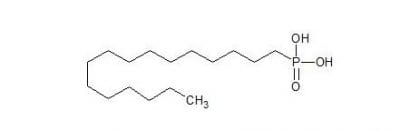


Advance Your Research with Reinste's Phosphonic Acid Derivatives
Ready to innovate in hydrogen storage and energy materials? Reinste offers a comprehensive range of high-quality phosphonic acid derivatives and advanced nanomaterials to power your next breakthrough.
View All Phosphonic Acid Products