
Phosphonate Derivatives: Unlocking Advanced Applications in Indian Research & Industry
Explore how phosphonate chelating agents and functionalized nanostructures are revolutionizing heavy metal removal, coordination chemistry, and diverse industrial applications across India.
Explore Our Phosphonate RangeThe Pivotal Role of Phosphonate Derivatives in India's R&D Landscape
In the dynamic landscape of Indian scientific research and industrial innovation, phosphonic acid derivatives are emerging as indispensable tools. These versatile compounds, characterized by their unique phosphorus-carbon bonds and strong affinity for metal ions, offer a plethora of applications ranging from environmental remediation to advanced material science. Their exceptional thermal stability, resistance to hydrolysis, and ability to undergo precise phosphonate functionalization make them ideal candidates for tackling some of India's most pressing challenges and driving forward cutting-edge research.
Indian researchers and professionals are increasingly leveraging the power of phosphonates to develop sustainable solutions. From enhancing water treatment processes through highly efficient heavy metal removal phosphonates to engineering novel catalysts and smart materials, the scope of phosphonic acid chemistry is vast. The growing emphasis on environmental protection, cleaner industrial processes, and advanced technological development within India provides a fertile ground for the application and further innovation of these remarkable compounds. This article delves into the diverse facets of phosphonate derivatives, highlighting their significance and potential for transformative impact across various sectors in India.
We will explore the intricacies of phosphonate chelating agents, the advancements in nanostructured phosphonates, and the fascinating realm of phosphonic acid coordination chemistry, providing insights relevant to the Indian context and fostering a deeper understanding of these critical compounds.
Key Benefits for Indian Researchers and Professionals
- Enhanced Metal Sequestration Efficiency: Phosphonate chelating agents exhibit superior binding capabilities for a wide range of metal ions, offering highly effective solutions for heavy metal removal from industrial effluents and contaminated water sources, a critical need in India.
- Tailorable Surface Modification: Through advanced phosphonate functionalization, researchers can precisely modify surfaces of various materials, including metals, ceramics, and nanoscale phosphonates, to impart desired properties like corrosion resistance, biocompatibility, or catalytic activity.
- Development of Novel Catalysts: The strong coordination ability of phosphonic acids allows for the creation of innovative heterogeneous catalysts, crucial for sustainable chemical synthesis and industrial processes, aligning with India's green chemistry initiatives.
- Advanced Sensing Applications: Phosphonates can be integrated into sensor designs to detect specific metal ions or biomolecules with high sensitivity and selectivity, opening avenues for environmental monitoring and diagnostics in India.
- Biocompatibility for Drug Delivery: Certain organic phosphonates show promise in biomedical applications, particularly in bone-targeting drug delivery systems and medical imaging, contributing to India's burgeoning pharmaceutical research.
- Cost-Effectiveness and Scalability: The synthesis and application of many phosphonic acid derivatives can be optimized for industrial scale-up, providing economically viable solutions for various sectors within the Indian market.
- Versatility in Nanomaterial Integration: The ability to anchor phosphonates onto various nanomaterials leads to the creation of phosphonic nanomaterials with enhanced properties, pushing the boundaries of nanotech phosphonate applications in India.
Diverse Industrial Applications of Phosphonate Derivatives in India
Environmental Remediation & Heavy Metal Removal
India faces significant challenges with industrial pollution and water contamination. Heavy metal removal phosphonates, especially those integrated into nanostructured phosphonates, offer highly efficient and selective methods for extracting toxic heavy metals like lead, cadmium, mercury, and arsenic from wastewater. Their strong chelation capabilities make them superior to conventional methods, contributing directly to cleaner water initiatives like 'Namami Gange'.
The development of functional phosphonates for specific metal ion targeting is a key area of research, enhancing the efficacy of environmental clean-up operations across the country.
Corrosion Inhibition & Surface Engineering
Protecting critical infrastructure, from pipelines to industrial machinery, from corrosion is vital for India's economic growth. Phosphonate functionalization plays a crucial role in developing advanced anti-corrosion coatings. These compounds form robust, self-assembled monolayers on metal surfaces, acting as effective barriers against corrosive agents. This application is particularly relevant for industries such as oil and gas, automotive, and construction in India, where material longevity is paramount.
Research into nanotech phosphonate coatings promises even greater protection and durability for materials exposed to harsh Indian environmental conditions.
Advanced Catalysis & Sustainable Chemical Synthesis
The Indian chemical industry is constantly seeking greener and more efficient catalytic processes. Phosphonic acid coordination chemistry is at the forefront of this innovation, enabling the design of novel heterogeneous catalysts. These catalysts can facilitate a wide range of organic reactions with high selectivity and yield, reducing waste and energy consumption. From pharmaceutical intermediates to bulk chemicals, phosphonate applications in catalysis are expanding rapidly, aligning with India's focus on sustainable manufacturing practices.
The development of phosphonate synthesis routes for diverse catalytic supports is a key research area.
Biomedical & Pharmaceutical Innovations
In the rapidly advancing Indian healthcare sector, phosphonates offer significant promise. Their ability to bind to calcium makes them ideal for bone-targeting drug delivery systems, particularly for osteoporosis and cancer therapies. Organic phosphonates are also being explored as imaging agents and components in biocompatible materials. Research into smart phosphonates that respond to specific biological cues is paving the way for next-generation diagnostics and therapeutics tailored for the Indian population.
The integration of nanoscale phosphonates in drug delivery further enhances their efficacy and reduces side effects.
Emerging Opportunities and Trends in India's Phosphonate Research
India's commitment to sustainable development and technological advancement is creating unparalleled opportunities for research and industrial adoption of phosphonic acid derivatives. Several key trends are shaping the future of phosphonate chemistry in the country:
Focus on Water Purity and Environmental Sustainability
With initiatives like Swachh Bharat Abhiyan and Namami Gange, there's an intensified focus on water treatment and pollution control. This drives demand for advanced materials, making heavy metal removal phosphonates and nanostructured phosphonates crucial. Indian researchers are exploring novel phosphonate synthesis routes to create more efficient and regenerable adsorbents for industrial effluents and municipal wastewater.
Growth of Advanced Materials and Nanotechnology
The burgeoning nanotechnology sector in India is a significant driver for phosphonic nanomaterials. The ability to precisely functionalize nanoparticles with phosphonic acids opens doors for creating hybrid materials with enhanced properties for electronics, sensors, and energy storage. Research in nanotech phosphonate applications is seeing substantial investment, with a particular interest in creating functional phosphonates that can self-assemble into intricate structures.
Innovation in Pharmaceuticals and Healthcare
India's position as a global pharmaceutical hub means continuous innovation in drug discovery and delivery. Organic phosphonates are being investigated for improved bioavailability, targeted drug delivery, and as components in medical devices. The development of smart phosphonates that can respond to physiological changes offers a promising frontier for personalized medicine in India.
Academic-Industrial Collaborations
A growing trend is the collaboration between Indian academic institutions and industries to translate laboratory research into commercial products. This synergy is accelerating the development and deployment of phosphonate applications, from corrosion inhibitors for infrastructure projects to advanced catalysts for chemical manufacturing. Such partnerships are vital for fostering an ecosystem of innovation in phosphonic acid chemistry.
Frequently Asked Questions about Phosphonate Derivatives
Phosphonate chelating agents are organic compounds containing phosphonic acid groups (-PO(OH)₂). They work by forming stable complexes with metal ions through multiple coordination bonds, effectively "sequestering" or binding the metal ions. This strong binding capacity makes them highly effective for heavy metal removal from various matrices, preventing the metals from reacting or precipitating and thus mitigating their toxicity or undesirable effects.
Nanostructured phosphonates offer a significantly higher surface area-to-volume ratio compared to their bulk counterparts. This increased surface area provides more active sites for metal ion binding, leading to enhanced adsorption capacity and faster kinetics for heavy metal removal. Furthermore, their nanoscale dimensions allow for better dispersion and integration into filtration systems, making them highly efficient and effective adsorbents for environmental remediation, particularly in water treatment applications in India.
Phosphonate functionalization involves chemically attaching phosphonic acid groups to the surface of various materials. This process can significantly alter the material's surface chemistry, leading to enhanced properties such as improved adhesion, increased hydrophilicity or hydrophobicity, enhanced corrosion resistance, and the ability to bind specific molecules or metal ions. For instance, functionalizing metal oxides with phosphonates can create robust coatings or enable selective adsorption, crucial for advanced materials development in India.
Phosphonic acid coordination chemistry is vital in several industrial sectors. It is extensively used in the development of metal-organic frameworks (MOFs) and coordination polymers, which find applications in gas storage, separation, and catalysis. In water treatment, it's key for creating advanced phosphonate chelating agents. Furthermore, it's crucial for designing corrosion inhibitors and scale inhibitors in cooling systems and oilfields, and for synthesizing specialized pigments and coatings. These applications are highly relevant to India's chemical, petrochemical, and manufacturing industries.
For Indian researchers and professionals seeking high-quality phosphonic acid derivatives, reputable suppliers like Reinste and Hiyka offer a comprehensive range of products, including organic phosphonates, nanoscale phosphonates, and specialized functional phosphonates. It's advisable to look for suppliers who provide detailed product specifications, technical support, and adhere to international quality standards to ensure the success of your research and development projects.
Explore Our Related Phosphonate Products

n-Octadecylphosphonic Acid
View Product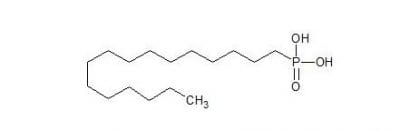
n-Hexadecylphosphonic Acid
View Product
n-Tetradecylphosphonic Acid
View Product
n-Dodecylphosphonic Acid
View ProductReady to Advance Your Research with Phosphonate Derivatives?
Discover Reinste's comprehensive range of high-quality phosphonic acid derivatives designed to meet the rigorous demands of Indian research and industrial applications. From phosphonate synthesis to metal chelation phosphonates, we have your needs covered.
Contact Our Experts for Tailored Solutions