
Organophosphonic Materials: Unlocking Innovations for Indian Research and Industry
Dive into the transformative world of phosphonic acid derivatives, exploring their synthesis, properties, and groundbreaking applications that are shaping India's scientific and industrial landscape.
Learn MoreIntroduction to Organophosphonic Materials and Their Significance in India
In the dynamic landscape of materials science and chemistry, organophosphonic materials have emerged as a class of compounds with unparalleled versatility and immense potential. Characterized by the presence of one or more phosphonic acid groups (-PO(OH)2) directly bonded to a carbon atom, these derivatives of phosphonic acid exhibit a unique combination of properties that make them indispensable across a spectrum of applications. For Indian researchers and professionals, understanding and harnessing these materials is not just an academic pursuit but a strategic imperative for technological advancement and industrial growth.
The journey into organophosphonic materials begins with their fundamental structure and extends to their sophisticated phosphonate synthesis, which allows for precise tailoring of their characteristics. Different synthetic routes enable the introduction of various organic groups, fine-tuning the material's solubility, reactivity, and interfacial behavior for specific applications. From robust phosphonic coatings that protect critical infrastructure to advanced nano phosphonates revolutionizing drug delivery and catalysis, their influence is far-reaching. India, with its rapidly expanding R&D sector and burgeoning industrial base, stands to benefit significantly from deeper engagement with these cutting-edge materials. This exploration aims to shed light on the multifaceted aspects of organophosphonic materials, emphasizing their relevance and the exciting opportunities they present within the Indian context.
Beyond their structural integrity, the chemical reactivity of organophosphonic acid derivatives properties is key to their functionality. They readily form stable complexes with metal ions, a feature exploited in corrosion inhibition, scale prevention, and metal extraction. Their ability to self-assemble on surfaces allows for the creation of highly ordered thin films, crucial for advanced coatings and surface modification. The Indian scientific community is increasingly focusing on these aspects, paving the way for indigenous innovation in areas like sustainable materials, high-performance engineering solutions, and environmental remediation. The versatility of these compounds, ranging from simple alkyl phosphonates to complex polymer and metal phosphonates, underscores their importance in modern chemistry and materials science.
Key Benefits of Organophosphonic Materials for Indian Research and Industry
- Superior Corrosion Protection: Organophosphonic coatings offer exceptional long-term protection for metallic surfaces, especially in the challenging climatic conditions prevalent in India. This is vital for industries like automotive, marine, and infrastructure, significantly extending the lifespan of critical assets and reducing maintenance costs. The strong adhesion properties of phosphonic acid derivatives ensure robust and durable protective layers.
- Enhanced Adhesion and Durability: The unique chemical structure of organophosphonic materials allows them to form strong, stable bonds with a wide array of substrates, including metals, ceramics, and polymers. This leads to highly durable materials and interfaces, crucial for applications ranging from advanced electronics to robust construction materials, thereby improving product longevity and performance.
- Versatile Surface Modification Capabilities: Phosphonate synthesis methods enable precise control over the functional groups attached to the phosphonic acid moiety, allowing for tailored surface properties. This versatility facilitates the development of smart materials with specific functionalities such as hydrophobicity, hydrophilicity, anti-fouling, or biocompatibility, opening new avenues for innovation in various sectors.
- Advancements in Catalysis: Phosphonic acid catalysts are gaining significant traction due to their high efficiency, selectivity, and often, reusability in various chemical reactions. This aligns perfectly with India's push towards greener chemistry and sustainable industrial processes, offering more environmentally friendly and cost-effective solutions for chemical synthesis.
- Revolutionizing Nanotechnology: Nano phosphonates are at the forefront of nanotechnology, serving as crucial building blocks for developing next-generation nanomaterials. Their application spans targeted drug delivery systems, highly sensitive biosensors, advanced energy storage devices, and high-performance coatings, directly supporting India's ambitious goals in advanced scientific research and development. The field of nano chemistry phosphonic is seeing rapid growth.
- Promising Biomedical Applications: Certain phosphonate applications extend into the biomedical field, particularly in bone tissue engineering and as therapeutic agents. Their ability to bind to calcium makes them valuable for imaging agents, drug delivery to bone, and in the development of biocompatible implants, addressing critical healthcare needs in India.
- Effective Flame Retardancy: Polymer phosphonates are highly effective as flame retardants in various polymeric materials and textiles. This property is vital for enhancing safety standards in consumer products, construction materials, and specialized industrial applications, contributing to fire safety regulations and product reliability.
- Solutions for Environmental Remediation: The strong chelating abilities of phosphonic acid derivatives make them excellent candidates for environmental applications, including water treatment, heavy metal sequestration, and soil remediation. This offers sustainable solutions to pressing environmental challenges faced by India, such as water pollution and industrial waste management.
- Foundation for Advanced Materials: The ability to form stable complexes with metal ions also leads to the formation of metal phosphonates, which are a class of hybrid materials with diverse applications in gas storage, catalysis, and magnetism. This area holds significant promise for developing novel functional materials tailored for specific industrial needs in India.
- Economic and Strategic Advantages: Developing indigenous capabilities in organophosphonic materials research and production can lead to more affordable and accessible advanced materials for Indian industries, fostering self-reliance and reducing dependence on imports. This strategic advantage supports national security and economic growth.
Diverse Industry Applications of Organophosphonic Materials in India
Corrosion Inhibition & Protective Coatings
Organophosphonic materials are indispensable in combating corrosion, a pervasive issue that costs industries billions annually. Their unique property of forming strong, self-assembled monolayers on metal surfaces creates an impenetrable barrier against rust and degradation. Phosphonic coatings are extensively utilized in India's burgeoning infrastructure projects, automotive manufacturing, and defense sectors to safeguard vital metallic components, pipelines, and structures from environmental aggressors, thereby enhancing their longevity and structural integrity. This is a primary area of phosphonate applications.
Water Treatment & Industrial Scale Inhibition
In industrial water systems, the formation of scale and mineral deposits can severely impede operational efficiency and lead to costly equipment damage. Phosphonic acid derivatives are highly effective as scale inhibitors, chelating metal ions and preventing their precipitation. This application is critical for power generation plants, oil refineries, and municipal water treatment facilities across India, ensuring the smooth and efficient operation of cooling towers, boilers, and other water-intensive systems. Their role in maintaining water quality is paramount.
Biomedical, Pharmaceutical & Diagnostics
The exceptional affinity of organophosphonic materials for calcium makes them invaluable in the biomedical and pharmaceutical fields. They are actively investigated for targeted drug delivery to bone, as agents in diagnostic imaging, and as components in biocompatible materials for orthopedic implants and dental applications. Indian pharmaceutical companies and research institutions are at the forefront of exploring these compounds for novel therapeutic strategies, bone regeneration, and advanced medical diagnostics, leveraging the specific organophosphonic acid derivatives properties.
Nanotechnology & High-Performance Materials
Nano phosphonates are driving innovation in nanotechnology, enabling the creation of advanced materials with unprecedented properties. They serve as crucial surface modifiers for quantum dots, magnetic nanoparticles, and carbon nanomaterials, enhancing their stability, dispersibility, and functionality. These materials find use in high-performance electronics, next-generation sensors, and energy storage devices. India's growing investment in nano chemistry phosphonic research is accelerating the development of these cutting-edge solutions for various high-tech sectors.
Polymer, Composites & Textile Industries
The incorporation of polymer phosphonates significantly enhances the flame retardancy, mechanical strength, and thermal stability of various polymeric materials and composites. This is particularly relevant for the Indian manufacturing sector, which requires high-performance and safe materials for consumer goods, automotive components, and aerospace applications. Furthermore, phosphonic acid derivatives are being explored to impart novel functionalities to textiles, such as water repellency and antimicrobial properties, expanding their phosphonate applications.
Catalysis, Green Chemistry & Chemical Synthesis
Phosphonic acid catalysts are playing an increasingly vital role in sustainable chemical synthesis. They offer advantages such as high catalytic activity, excellent selectivity, and ease of separation and recycling, which are critical for green chemistry principles. The Indian chemical industry is adopting these catalysts for the efficient and environmentally friendly production of fine chemicals, pharmaceuticals, and specialty materials, contributing to reduced waste generation and energy consumption in various industrial processes.
Metal Phosphonates & Hybrid Materials
The formation of metal phosphonates through the interaction of phosphonic acids with metal ions creates a fascinating class of hybrid organic-inorganic materials. These compounds possess unique structural diversity and tunable properties, making them attractive for applications in gas adsorption, ion exchange, magnetism, and heterogeneous catalysis. Indian material scientists are actively researching these hybrid materials to develop advanced functional frameworks for a variety of high-tech applications.
Adhesives & Sealants Technology
Due to their strong adhesive properties to various substrates, organophosphonic materials are increasingly being incorporated into advanced adhesive and sealant formulations. They enhance the bond strength, durability, and resistance to environmental factors, making them ideal for high-performance applications in construction, electronics, and automotive assembly. This improves the reliability and longevity of bonded components, a critical factor for Indian manufacturing.
Emerging Opportunities and Future Trends in Organophosphonic Materials for India
The landscape for organophosphonic materials in India is rapidly evolving, presenting a wealth of opportunities for researchers, industries, and policymakers alike. Driven by a confluence of government initiatives, increasing industrial demand, and a robust scientific community, India is poised to become a significant player in the global arena for these advanced materials. One of the most prominent trends is the burgeoning interest and investment in Nano Phosphonates for advanced applications. Indian research institutions, propelled by initiatives like 'Make in India' and 'Atmanirbhar Bharat', are actively pursuing the synthesis and characterization of these nanoscale materials. The goal is to leverage their unique properties, such as high surface area and quantum effects, for breakthroughs in areas like targeted drug delivery systems, high-efficiency solar cells, advanced sensors for environmental monitoring, and next-generation electronic components. The field of Nano Chemistry Phosphonic is witnessing rapid growth, with a strong emphasis on scalable and cost-effective production methods.
Another critical area of growth lies in sophisticated Phosphonic Coatings. With India's ambitious infrastructure development projects, including smart cities, high-speed rail networks, and renewable energy installations, there is an escalating demand for durable, protective, and smart coatings. Indian companies are actively exploring novel organophosphonic acid derivatives properties to create coatings that offer superior corrosion resistance, anti-fouling capabilities for marine applications, self-cleaning surfaces for urban environments, and enhanced aesthetic appeal. The integration of advanced functionalities into these coatings, such as self-healing properties, temperature responsiveness, and antimicrobial features, represents a cutting-edge trend that promises to revolutionize material protection and performance in challenging climatic conditions.
The role of Phosphonic Acid Catalysts is also expanding significantly, aligning with India's commitment to sustainable development and green chemistry. As the nation moves towards more environmentally friendly and efficient chemical processes, the demand for highly efficient, selective, and reusable catalysts is growing. Organophosphonic catalysts offer a promising alternative to traditional, often toxic, catalysts, particularly in organic synthesis, pharmaceutical manufacturing, and industrial chemical processes. Their application contributes to reduced waste generation, lower energy consumption, and the production of high-value chemicals with minimal environmental impact. This trend is crucial for enhancing the competitiveness and sustainability of the Indian chemical industry.
Furthermore, the development of specialized Polymer Phosphonates and Metal Phosphonates is gaining substantial traction. Polymer phosphonates are being engineered to impart enhanced flame retardancy, improved mechanical properties, and thermal stability to various polymeric materials used in textiles, plastics, and advanced composites. This is particularly relevant for sectors like defense, aerospace, and construction, where high-performance and safety are paramount. Similarly, metal phosphonates, a class of hybrid organic-inorganic materials, are being investigated for their unique properties in gas storage, separation technologies, magnetism, and heterogeneous catalysis, opening up new avenues for functional materials tailored for specific industrial needs in India.
The emphasis on interdisciplinary research and international collaborations is a notable trend that is accelerating the discovery and application of new organophosphonic materials. Partnerships between academic institutions, national research laboratories, and industrial players are fostering a vibrant ecosystem for innovation. Government funding for scientific research and development, coupled with a growing pool of skilled professionals, positions India to become a leading hub for phosphonate research and manufacturing. This collaborative spirit, along with a focus on intellectual property creation and commercialization, will drive indigenous innovation, create new economic avenues, and solidify India's position as a global leader in advanced materials science.
Frequently Asked Questions about Organophosphonic Materials
Explore Related Phosphonic Acid Derivatives

n-Octadecylphosphonic Acid
View Product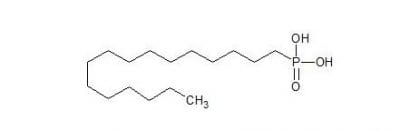
n-Hexadecylphosphonic Acid
View Product
n-Tetradecylphosphonic Acid
View Product
n-Dodecylphosphonic Acid
View ProductReady to Innovate with Organophosphonic Materials?
Connect with Reinste to explore our comprehensive range of high-quality phosphonic acid derivatives and collaborate on your next groundbreaking research or industrial project. Unlock the full potential of organophosphonic materials for your applications.
Get in Touch