Green Phosphonate Chemistry: Sustainable Innovations for Indian R&D and Industry
Explore the cutting-edge of sustainable phosphonate synthesis and discover environmentally benign solutions revolutionizing various sectors in India. A new era of chemical innovation awaits.
Learn MoreEmbracing Sustainable Phosphonate Chemistry in India
In an era where environmental consciousness is paramount, the chemical industry is rapidly shifting towards sustainable practices. Among the many advancements, Green Phosphonate Chemistry stands out as a beacon of innovation, particularly relevant for India's burgeoning research and development landscape and diverse industrial sectors. Phosphonates, a class of organophosphorus compounds containing a direct carbon-phosphorus bond, have long been indispensable in various applications, from water treatment and corrosion inhibition to flame retardants and pharmaceuticals. However, traditional synthesis methods often involve harsh reagents like phosphorus trichloride (PCl₃) or phosphorus oxychloride (POCl₃), generate significant hazardous waste, and rely on energy-intensive processes. This necessitates an urgent transition towards more sustainable phosphonate synthesis routes.
For Indian researchers and professionals, this transition represents a unique opportunity. India, with its rich scientific talent and a strong commitment to sustainable development, is poised to become a global leader in environmentally benign phosphonates. The focus is not just on reducing environmental impact but also on enhancing efficiency, safety, and cost-effectiveness. This article delves into the principles, advancements, and immense potential of green phosphonate chemistry, highlighting its implications for various industries and the path forward for Indian innovation. We will explore how these eco-friendly approaches can transform sectors ranging from agriculture to advanced materials.
The global drive for cleaner technologies aligns perfectly with India's 'Make in India' and 'Swachh Bharat' initiatives, encouraging local production of eco-friendly chemicals. By adopting green chemistry principles in the production and application of phosphonic acid derivatives in green chemistry, India can foster a new generation of sustainable products and processes, securing a competitive edge in the international market. This includes the development of bio-based phosphonates, derived from renewable biomass, and eco-friendly phosphonate coatings, which offer superior performance with minimal ecological footprint while reducing reliance on imported hazardous chemicals.
Key Benefits for Indian Researchers and Industry Professionals
-
Reduced Environmental Footprint
Green synthesis methods are designed to minimize hazardous waste generation, reduce energy consumption, and often utilize renewable resources. For India, this translates to less pollution of precious water bodies and soil, lower disposal costs, and a significant step towards achieving national environmental targets and a cleaner future for its citizens.
-
Enhanced Safety and Health
By avoiding or significantly reducing the use of toxic reagents and solvents, green phosphonate chemistry dramatically improves workplace safety for researchers and industrial workers. This is vital for the health and well-being of the Indian workforce in chemical manufacturing, aligning with global occupational health standards and reducing the risk of industrial accidents.
-
Economic Cost-Effectiveness
Optimized processes, reduced need for complex waste treatment, and the potential for utilizing cheaper, abundantly available local and renewable raw materials can lead to substantial long-term economic benefits for Indian industries. These efficiencies contribute to lower production costs and improved profitability, making sustainable products more competitive.
-
Innovation and Global Competitive Edge
Developing novel phosphonates and phosphonic acid derivatives through green routes positions Indian companies and research institutions at the forefront of global chemical innovation. This fosters a culture of scientific excellence and allows India to develop proprietary technologies, gaining a significant competitive advantage in international markets.
-
Regulatory Compliance and Market Access
Proactive adoption of green chemistry principles helps Indian industries comply with increasingly stringent environmental regulations, both domestically (e.g., CPCB guidelines) and internationally (e.g., EU REACH). This compliance is crucial for facilitating easier market access for Indian chemical products in developed economies, enhancing export potential.
-
Enhanced Resource Efficiency
Green synthesis often involves atom-economical reactions, maximizing the incorporation of starting materials into the final product and minimizing unwanted by-products. This approach conserves valuable and often finite resources, particularly phosphorus, which is critical for long-term sustainability and reducing reliance on imports.
Diverse Applications of Green Phosphonates Across Industries
Water Treatment & Desalination
Environmentally benign phosphonates are crucial as scale and corrosion inhibitors in industrial water systems, cooling towers, and rapidly expanding desalination plants across India. They ensure efficient operation and prolong equipment life without introducing harmful pollutants into the environment, critical for India's growing water security needs.
Sustainable Coatings & Adhesives
The development of eco-friendly phosphonate coatings offers superior adhesion, robust corrosion resistance, and inherent fire retardancy for various surfaces, crucial for India's burgeoning infrastructure, automotive, and defense sectors. Innovations in Metal Phosphonates and Nanophosphonates are particularly promising for next-generation protective layers.
Agrochemicals & Crop Protection
Green phosphonate derivatives are being actively explored as safer and more effective agrochemicals, including herbicides, fungicides, and plant growth regulators. Their application minimizes environmental contamination, promotes sustainable agriculture practices, and contributes to food security in India by protecting crops with reduced ecological impact.
Biomedical & Pharmaceutical Sector
From advanced bone imaging agents to targeted drug delivery systems and materials for implants, biophosphonates and organophosphonates synthesized via green routes are finding increasing applications. These offer biocompatible and less toxic solutions, catering to the evolving demands of India's healthcare and pharmaceutical industries.
Materials Science & Engineering
Green phosphonate synthesis contributes significantly to the development of advanced materials such as MOF Phosphonates and Polyphosphonates. These materials are utilized in cutting-edge applications like heterogeneous catalysis, gas adsorption, energy storage, and polymer modification, driving innovation in high-performance materials crucial for India's technological advancement.
Fire Retardants for Enhanced Safety
Developing halogen-free phosphonate-based flame retardants through green chemistry offers safer and more effective alternatives for a wide range of materials including plastics, textiles, and electronics. This is vital for meeting stringent safety standards in manufacturing and construction across India, ensuring public safety without environmental compromise.
India's Role in the Future of Sustainable Phosphonate Chemistry
India is uniquely positioned to capitalize on the global shift towards Green Phosphonate Chemistry. The nation's robust pharmaceutical industry, expanding agricultural sector, and rapid infrastructural development present fertile ground for the adoption and innovation of phosphonic acid derivatives in green chemistry. There's a growing emphasis on indigenous research and development, strongly supported by government initiatives like the Department of Science & Technology (DST) and Department of Biotechnology (DBT) programs promoting sustainable technologies and 'Atmanirbhar Bharat' (self-reliant India).
Current trends indicate a strong move towards bio-based phosphonates, leveraging India's rich biodiversity for renewable raw materials. Researchers are actively exploring advanced synthesis techniques such as enzymatic synthesis, photocatalysis, and solvent-free reactions for sustainable phosphonate synthesis, aiming to reduce waste and energy consumption significantly. The demand for eco-friendly phosphonate coatings is also on a steep rise, driven by the need for durable, non-toxic, and high-performance protective layers in construction, automotive, and marine applications, particularly in coastal regions.
Furthermore, the development of advanced Nanophosphonates and MOF Phosphonates is gaining significant traction in leading Indian research institutions and IITs. These cutting-edge materials offer unprecedented properties for applications in heterogeneous catalysis, efficient gas storage, advanced sensing technologies, and environmental remediation, opening new avenues for high-tech applications. Collaboration between academia, industry, and government bodies will be crucial in translating laboratory breakthroughs into commercially viable products and processes, positioning India as a global hub for environmentally benign phosphonates.
The focus on circular economy principles also means exploring innovative methods for the recycling and reuse of phosphonate-containing materials, further enhancing their sustainability profile and minimizing resource depletion. India's vibrant startup ecosystem is actively contributing to this transformation, with new ventures focusing on developing and commercializing green chemical manufacturing processes and novel phosphonate applications. This collective effort, coupled with a strong emphasis on research and skilled manpower development, promises a greener, more sustainable, and economically robust future for the chemical industry in India and beyond.
Frequently Asked Questions about Green Phosphonate Chemistry
Explore Our Related Phosphonic Acid Derivatives

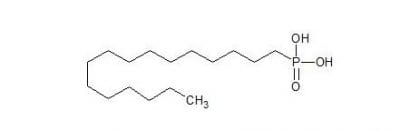


Ready to Innovate with Green Phosphonate Chemistry?
Partner with Reinste for cutting-edge phosphonic acid derivatives and expert support in your sustainable research and industrial applications. Let's build a greener future together.
Get in Touch Today