Beyond the Surface: How Nano Phosphonates are Transforming Polymer Nanocomposites in India
Explore the cutting-edge applications of nano phosphonates in enhancing material properties, from improved adhesion to superior mechanical strength, driving innovation in Indian research and industry.
Explore Our Phosphonate Range
Introduction to Nano Phosphonates and Their Impact on Indian R&D
The landscape of materials science in India is undergoing a significant transformation, driven by the increasing demand for high-performance, durable, and sustainable materials. At the forefront of this revolution are polymer nanocomposites, materials that combine polymers with nanoscale fillers to achieve superior properties. These advanced materials promise to push the boundaries of conventional engineering, offering solutions for critical challenges across various industries. However, realizing their full potential often hinges on effectively integrating the nanoscale components within the polymer matrix.
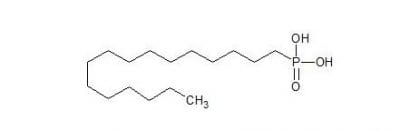
This is where nano phosphonates – a class of versatile organic compounds containing phosphonic acid groups – emerge as game-changers. These remarkable molecules play a pivotal role in nanomaterial functionalization and surface modification, acting as powerful adhesion promoters. By forming robust bonds with inorganic surfaces, nano phosphonates facilitate the seamless integration of nanoparticles into polymer matrices, overcoming challenges like agglomeration, poor dispersion, and weak interfacial adhesion. This blog delves into how these advanced phosphonic acid derivatives are not just enhancing the mechanical strength, thermal stability, and barrier properties of materials, but are also opening new avenues for research and industrial applications across India.
For Indian researchers and professionals, understanding the nuances of phosphonate synthesis, the diverse structures of organophosphonates, and their strategic application in creating advanced polymer nanocomposites is crucial for developing next-generation solutions. These solutions are vital for sectors ranging from automotive and aerospace to biomedical and electronics, aligning with the nation's ambitious technological and economic growth. This article will provide an informative, humanized perspective on this rapidly evolving domain, highlighting its immense potential for innovation within the Indian context.
Key Benefits for Indian Researchers and Innovators
The integration of nano phosphonates into material science offers a multitude of advantages, particularly for the rigorous demands of Indian industrial and research environments. Here are some of the transformative benefits that researchers and innovators can harness:
- Enhanced Material Properties: Nano phosphonates significantly improve the mechanical strength, thermal stability, barrier properties, and flame retardancy of polymer nanocomposites, enabling the development of superior materials for demanding applications in sectors like defense and automotive.
- Superior Nanoparticle Dispersion: They act as excellent dispersants, preventing agglomeration of nanoparticles and ensuring uniform distribution within the polymer matrix. This uniform dispersion is crucial for achieving optimal performance and consistency in advanced materials.
- Strong Interfacial Adhesion: By creating robust chemical bonds between inorganic fillers (like metal oxides, carbon nanotubes, graphene) and organic polymers, they dramatically boost interfacial adhesion, leading to more durable, resilient, and long-lasting composites.
- Versatile Surface Functionalization: Nano phosphonates allow for precise and tailored surface modification of various nanomaterials. This versatility opens doors for customized material design, enabling engineers to meet specific application requirements with high precision.
- Corrosion Inhibition: Certain phosphonate coatings offer exceptional corrosion resistance, forming protective layers that extend the lifespan of metallic components in harsh environments. This is a vital benefit for India's infrastructure, marine, and industrial assets, combating material degradation effectively.
- Biocompatibility and Bioactivity: The development of bioactive phosphonates is paving the way for advanced biomedical applications, including improved drug delivery systems, enhanced bone regeneration, and durable antimicrobial coatings, aligning with India's burgeoning healthcare technology sector.
- Cost-Effective Solutions: By improving material performance, durability, and longevity, nano phosphonates can lead to more cost-effective solutions in the long run. This reduces the need for frequent maintenance and replacement, offering significant economic advantages for industries.
These multifaceted benefits underscore why nano phosphonates are becoming indispensable tools for material scientists in India, enabling the creation of advanced materials that are not only high-performing but also tailored for specific, challenging applications.
Transformative Industrial Applications Across India
Automotive & Aerospace
Lightweight polymer nanocomposites with enhanced mechanical strength and thermal stability, facilitated by nano phosphonates, are critical for reducing vehicle weight, improving fuel efficiency, and increasing safety in the burgeoning Indian automotive and aerospace sectors. They are used in structural components, interior parts, and protective coatings, contributing to advanced engineering solutions.
Coatings & Adhesives
Phosphonate coatings provide superior corrosion protection for metals, crucial for infrastructure, marine, and industrial equipment in India's diverse climatic conditions. As powerful adhesion promoters, they significantly improve the bonding strength of paints, sealants, and composites, leading to more durable, weather-resistant, and long-lasting products in construction and manufacturing.
Electronics & Packaging
In the rapidly expanding Indian electronics industry, nano phosphonates enable the creation of advanced dielectric materials, protective layers, and encapsulants with improved thermal management. For packaging, they enhance barrier properties against gases and moisture, extending shelf life and reducing waste, which is vital for India's vast food and pharmaceutical industries, ensuring product integrity.
Biomedical & Healthcare
The development of bioactive phosphonates is revolutionizing biomedical implants, drug delivery systems, and medical device coatings. Their ability to promote cell adhesion and integration, coupled with improved mechanical properties and biocompatibility, makes them invaluable for India's rapidly advancing healthcare technology sector, supporting innovative therapeutic and diagnostic solutions.
Construction & Infrastructure
For India's massive infrastructure development, polymer nanocomposites with enhanced durability, fire resistance, and weatherability, achieved through nanomaterial functionalization with phosphonates, are being explored for advanced concretes, lightweight composites for bridges, and protective coatings for buildings, contributing to safer and more sustainable urban development.
Energy & Environment
Nano phosphonates contribute to more efficient energy solutions through enhanced materials for batteries, fuel cells, and solar panels, improving their performance and longevity. In environmental applications, they are explored for advanced water filtration membranes, catalysts for pollution control, and sustainable waste management solutions, aligning with India's critical sustainability goals and green initiatives.
India's Growing Frontier: Opportunities and Trends in Nano Phosphonates
India's scientific and industrial ecosystem is ripe for embracing the full potential of nano phosphonates and polymer nanocomposites. The 'Make in India' initiative, coupled with a strong emphasis on indigenous research and development, provides a fertile ground for innovation in advanced materials, fostering self-reliance and global competitiveness. We are witnessing a surge in research focused on sustainable phosphonate synthesis methods, exploring greener chemistry pathways to reduce environmental impact, and their application in developing eco-friendly and biodegradable materials.
Key trends include the exploration of novel organophosphonates for specific functionalities, such as self-healing materials, smart coatings with responsive properties, and advanced sensing applications for diverse environments. There's also a significant push towards integrating nano phosphonates into existing industrial processes to enhance product performance, reduce material consumption, and optimize manufacturing efficiency, leading to more sustainable industrial practices. The demand for high-performance materials in sectors like defense, aerospace, renewable energy, and electric vehicles is accelerating the adoption of these advanced solutions, driven by national strategic priorities and technological advancements.
Collaborations between academic institutions, national research laboratories, and private industries are becoming more prevalent, fostering a dynamic environment for technology transfer, skill development, and the commercialization of phosphonate-enhanced materials. This collaborative spirit is essential for India to solidify its position as a global leader in advanced materials science, leveraging the unique capabilities of nanomaterial functionalization and superior adhesion promoters to create a sustainable, technologically advanced, and economically robust future. Furthermore, the growing focus on intellectual property and patenting in this domain indicates a maturing research landscape poised for significant breakthroughs, positioning India at the forefront of this exciting field.
Frequently Asked Questions about Nano Phosphonates
Explore Our Related Phosphonic Acid Derivatives


Ready to Innovate with Advanced Phosphonate Chemistry?
Discover Reinste's comprehensive range of high-quality phosphonic acid derivatives and nanomaterials. Our cutting-edge products are designed to accelerate your research and development projects, helping you achieve superior material performance and drive innovation across various industrial applications. Connect with us to explore tailored solutions for your specific needs.
Explore Reinste ProductsGet in Touch with Our Experts
Have questions about nano phosphonates, polymer nanocomposites, or need custom solutions for your material science challenges? Fill out the form below, and our team of experts will get back to you promptly to discuss how we can support your innovative projects.