
Advanced Phosphonic Synthesis: Innovations and Applications for Indian Research and Industry
Explore the cutting-edge methodologies and diverse applications of phosphonic acid derivatives, driving advancements in materials science, catalysis, and biotechnology across India.
Explore PhosphonatesUnlocking Potential: Phosphonic Acid Derivatives in Indian R&D
Phosphonic acid derivatives, often referred to simply as phosphonates, represent a class of organic compounds characterized by a robust carbon-phosphorus bond. This unique structural feature endows them with exceptional versatility, making them indispensable in a myriad of advanced scientific and industrial applications. Unlike their carboxylic acid counterparts, phosphonates exhibit superior hydrolytic and thermal stability, along with a strong affinity for metal surfaces, which makes them particularly attractive for diverse functional materials. From enhancing material properties and facilitating precise surface functionalization to playing pivotal roles in advanced catalysis and groundbreaking biomedical innovations, phosphonates are increasingly at the forefront of chemical and materials science research globally.
In the vibrant and rapidly evolving landscape of Indian research and development, the interest in advanced Phosphonic Synthesis and the exploration of cutting-edge Nanophosphonic materials is rapidly escalating. As India strategically pushes for self-reliance and innovation through initiatives like "Make in India" and "Atmanirbhar Bharat" across sectors such as advanced manufacturing, pharmaceuticals, and sustainable energy, the demand for high-performance materials and novel chemical entities is paramount. Phosphonates, with their remarkable ability to form stable complexes with various metal ions (leading to the development of sophisticated Metal Phosphonates and intricate MOF Phosphonate structures) and their proven utility in creating durable and functional Nano Coatings, offer solutions that align perfectly with India's strategic R&D goals. This comprehensive blog aims to delve deeply into the advanced synthesis techniques, the diverse applications, and the immense potential of these remarkable compounds, highlighting their critical relevance and burgeoning opportunities for Indian researchers, scientists, and industry professionals.
Key Benefits for Researchers and Industries
-
•
Enhanced Material Properties: Phosphonates can significantly improve the thermal stability, mechanical strength, and chemical resistance of various materials, including polymers and composites.
-
•
Versatile Surface Functionalization: Their strong affinity for metal oxides allows for the creation of robust self-assembled monolayers (SAMs), enabling precise control over surface characteristics for adhesion, anti-corrosion, and anti-fouling applications.
-
•
Advanced Catalytic Applications: Phosphonates, especially when incorporated into Metal-Organic Frameworks (MOFs) or as ligands in homogeneous catalysis, offer new pathways for highly efficient and selective catalytic reactions.
-
•
Biocompatibility for Drug Delivery: Certain phosphonate derivatives exhibit excellent biocompatibility, making them ideal candidates for drug delivery systems, bone regeneration, and other biomedical applications.
-
•
Effective Corrosion Inhibition: Phosphonates form protective layers on metal surfaces, acting as highly effective corrosion inhibitors in various industrial settings, extending the lifespan of metallic components.
-
•
Flame Retardancy: Polymer Phosphonates are increasingly used as environmentally friendly flame retardants, offering superior performance compared to traditional halogenated alternatives.
-
•
Self-Assembly Capabilities: The ability of phosphonates to self-assemble into ordered structures is crucial for creating advanced functional materials and Nano Coatings with tailored properties.
Transformative Applications Across Industries
Nano Coatings & Surface Functionalization
Phosphonates are revolutionizing Nano Coatings by providing durable, protective, and functional layers on various substrates. Their strong adhesion to metal oxides makes them excellent for anti-corrosion coatings, anti-fouling surfaces, and enhancing the performance of optical and electronic devices. The precise Surface Functionalization achieved with phosphonates opens doors for tailored material interfaces.
Metal-Organic Frameworks (MOFs) & Metal Phosphonates
The integration of Phosphonates into MOFs creates novel hybrid materials with exceptional porosity and tunable properties. These Metal Phosphonates-based MOFs are highly sought after for gas storage (e.g., hydrogen, CO2), selective gas separation, and advanced catalytic applications, contributing significantly to sustainable chemistry and energy solutions.
Bioactive Nanomaterials & Biomedical Innovations
In the biomedical field, phosphonate-modified Nanomaterials are gaining traction for targeted drug delivery, tissue engineering, and biosensing. Their ability to bind to bone minerals makes them invaluable for bone regeneration and dental applications, while their biocompatibility supports the development of advanced medical implants.
Nano Catalysis & Green Chemistry
Phosphonates are key components in the development of highly efficient Nano Catalysis systems. They can act as ligands, supports, or precursors for catalysts, enabling greener and more sustainable chemical processes. Their role in heterogeneous catalysis and photocatalysis is expanding, offering solutions for environmental remediation and chemical synthesis.
Polymer Phosphonates & Advanced Composites
The incorporation of phosphonate groups into polymers leads to Polymer Phosphonates with enhanced flame retardancy, improved adhesion to inorganic fillers, and better mechanical properties. These materials are crucial for developing advanced composites used in aerospace, automotive, and construction industries, where performance and safety are paramount.
India's Growing Frontier: Opportunities and Trends in Phosphonate Research
India's scientific and industrial landscape is witnessing a significant surge in demand for advanced materials and innovative chemical solutions, driven by rapid economic growth and strategic national initiatives. The "Make in India" and "Atmanirbhar Bharat" campaigns are actively propelling indigenous research and manufacturing capabilities, thereby creating a highly fertile ground for the widespread adoption and further development of sophisticated compounds like phosphonic acid derivatives. Indian researchers and industrial scientists are increasingly focusing on advanced Phosphonic Synthesis methodologies to develop novel materials that not only address pressing local challenges but also meet evolving global demands for sustainability and performance.
Current key trends in India indicate a strong and growing emphasis on sustainable, high-performance, and multi-functional materials. This includes the urgent development of environmentally friendly Nano Coatings for critical infrastructure protection, highly efficient Metal Phosphonates for advanced energy storage solutions, and biocompatible Nanophosphonic materials for transformative applications in healthcare and diagnostics. The intrinsic versatility and structural tunability of MOF Phosphonate structures are proving to be particularly attractive for cutting-edge applications in highly selective gas sensing and efficient gas separation, which are increasingly critical for effective environmental monitoring and optimization of industrial processes throughout India.
Furthermore, the burgeoning and rapidly expanding sectors of electric vehicles (EVs), renewable energy technologies, and smart textiles in India are collectively driving significant innovation in the realm of Polymer Phosphonates. These advanced polymers are essential for achieving superior flame retardancy, improving adhesion to various inorganic fillers, and better mechanical properties. These materials are crucial for developing advanced composites used in aerospace, automotive, and construction industries, where performance and safety are paramount. The remarkable ability of phosphonates to facilitate precise Surface Functionalization is also being extensively explored for the development of next-generation sensor technologies, advanced diagnostic tools, and high-performance catalytic systems. As fundamental and applied research in Bioactive Nanomaterials and advanced Nano Catalysis gains substantial momentum across the nation, phosphonic acid derivatives are unequivocally poised to play a central and transformative role in India's ambitious journey towards achieving scientific and technological leadership on the global stage.
Frequently Asked Questions about Phosphonic Synthesis
Phosphonic acid derivatives, or phosphonates, are organic compounds containing a carbon-phosphorus bond. They are highly versatile due to their strong chelating ability, excellent thermal stability, and diverse chemical reactivity, making them crucial in various scientific and industrial applications.
The synthesis of phosphonates involves various methods, including the Michaelis-Arbuzov reaction, Pudovik reaction, and hydrophosphonylation. Advanced techniques often focus on green chemistry principles, catalytic approaches, and selective functionalization to achieve high yields and specific properties.
Nanophosphonic materials find applications in fields such as advanced coatings for corrosion protection, drug delivery systems, biosensors, and as components in high-performance catalysts. Their nanoscale properties enhance surface area, reactivity, and interaction with biological systems.
Metal phosphonates are crucial in Metal-Organic Frameworks (MOFs) because the phosphonate group can act as a strong linker, forming robust and diverse coordination networks with metal ions. This allows for the creation of highly porous materials with tailored properties for gas storage, separation, and catalysis.
Phosphonates are excellent for surface functionalization due to their strong and stable binding to various metal oxides and other substrates. They form robust self-assembled monolayers (SAMs), enabling precise control over surface properties for applications in adhesion, anti-corrosion, biocompatibility, and sensor development.
Explore Related Phosphonic Acid Derivatives

n-Octadecylphosphonic Acid
View Product →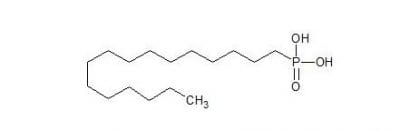
n-Hexadecylphosphonic Acid
View Product →
n-Tetradecylphosphonic Acid
View Product →
n-Dodecylphosphonic Acid
View Product →Ready to Advance Your Research?
Explore our comprehensive range of high-quality phosphonic acid derivatives and other specialty chemicals designed to fuel your innovations. Partner with us for your advanced material and synthesis needs.
Discover Our Full RangeConnect With Our Experts
Have questions or need specialized phosphonic acid derivatives for your research? Reach out to our team of experts for tailored solutions and support.