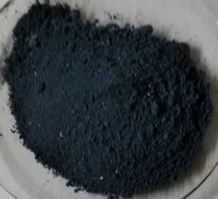
Introduction: The Nano-Scale Battlefield
In the microscopic war against pathogens, silver has been a trusted soldier for centuries. Today, nanotechnology has transformed this ancient remedy into a high-tech weapon: silver nanoparticles (AgNPs). For researchers and industries across India, from bustling pharmaceutical labs in Hyderabad to innovative textile factories in Tiruppur, AgNPs represent a paradigm shift in antimicrobial solutions. However, not all nanoparticles are created equal. The secret to their power lies in a property that is often overlooked: their size. The particle size effect is a fundamental principle that governs the size-dependent efficacy of these nanomaterials, directly influencing their antimicrobial potency and capacity for bacterial inhibition. Understanding this relationship is not just an academic exercise; it is crucial for developing next-generation products that are more effective, efficient, and tailored to India's unique challenges.
The core of AgNP effectiveness hinges on a simple geometric principle: as a particle gets smaller, its surface-area-to-volume ratio increases exponentially. This isn't just a trivial change. A larger surface area means more silver atoms are exposed and available to interact with their microbial targets. This enhanced interaction translates into a more potent antimicrobial effect. The nano-scale variation in dimensions—often measured in just a few nanometers—can be the difference between a moderately effective solution and a powerful disinfectant. This article delves into the science behind the influence of silver nanoparticle size on antimicrobial activity, exploring the mechanisms at play and highlighting the opportunities this knowledge presents for Indian innovation.
Why Size Matters: Key Benefits for Indian Researchers
For the Indian R&D community, mastering size optimization of AgNPs is a gateway to significant breakthroughs. It allows for a more precise and evidence-based approach to material science and product formulation. Here are the key benefits:
- Enhanced Antimicrobial Potency: By selecting smaller nanoparticles (typically in the 10-20 nm range), researchers can achieve superior bacterial inhibition with lower concentrations of silver. This reduces material costs and minimizes potential environmental impact, a key consideration for sustainable development in India.
- Targeted Mechanism of Action: Understanding the particle size effect allows for the fine-tuning of the antimicrobial mechanism. Smaller particles can penetrate bacterial membranes more easily, while larger ones may act primarily through ion release. This knowledge enables the design of AgNPs for specific pathogens or applications.
- Improved Product Stability and Formulation: The size of nanoparticles also affects their colloidal stability. Researchers can choose a size that balances high antimicrobial potency with the long-term stability required for commercial products like paints, coatings, and medical dressings.
- Foundation for Novel Applications: A deep understanding of size-related properties opens doors to innovation. It can lead to the development of synergistic antimicrobial systems, targeted drug delivery platforms, and advanced diagnostic tools, positioning Indian researchers at the forefront of nanotechnology.
- Cost-Effectiveness in Manufacturing: Optimizing for the smallest effective size means using less material to achieve the same or better results. This principle of "doing more with less" is vital for creating commercially viable technologies that can be deployed at scale across the Indian market.
From Lab to Life: Industrial Applications Driven by Size Optimization
The theoretical understanding of size-dependent efficacy translates into tangible advantages across various industries in India. The ability to customize nanoparticle dimensions unlocks a new level of performance and innovation.
Healthcare & Medical Devices
In hospital settings, where fighting antibiotic-resistant bacteria is a critical challenge, the antimicrobial potency of AgNPs is a game-changer. Smaller nanoparticles are integrated into wound dressings, catheters, and surgical instruments to ensure potent bacterial inhibition, reducing the risk of hospital-acquired infections (HAIs). Size optimization ensures maximum effect without compromising biocompatibility.
Water Purification Systems
Access to clean drinking water remains a major goal in India. AgNPs with a high surface area impact, achieved through smaller particle sizes, are used in ceramic water filters and purification systems. Their ability to neutralize a broad spectrum of waterborne pathogens makes them a highly effective and low-cost solution for communities.
Antimicrobial Textiles
From sportswear that stays fresh longer to medical textiles that prevent cross-contamination, the textile industry benefits immensely from AgNP effectiveness. Controlling nanoparticle size ensures they bind effectively to fabrics, providing durable, long-lasting protection against odor-causing bacteria and fungi without altering the fabric's feel.
Food Packaging & Preservation
Extending the shelf life of perishable goods is vital for India's food supply chain. By incorporating size-optimized AgNPs into food packaging films, manufacturers can create active packaging that inhibits microbial growth. This nano-scale variation helps preserve freshness, reduce food waste, and enhance food safety.
The Indian Context: Opportunities and Future Trends
The "Make in India" initiative and a growing focus on indigenous R&D have created a fertile ground for advanced materials like silver nanoparticles. The influence of silver nanoparticle size on antimicrobial activity is more than a scientific curiosity; it's a strategic advantage. As Indian industries move towards high-value manufacturing, the demand for precisely engineered nanomaterials is surging. Companies are increasingly looking for partners who can supply AgNPs not just as a commodity, but as a solution tailored to their specific needs, where nanoparticle dimensions are a key performance indicator.
A significant trend is the shift towards green synthesis methods for AgNPs, using plant extracts and other biological resources abundant in India. This approach is not only sustainable but can also provide better control over particle size and stability. For Indian researchers, this opens up exciting avenues to explore local biodiversity for creating highly effective antimicrobial agents. The convergence of nanotechnology, biotechnology, and information technology will further accelerate this trend, enabling smarter, more efficient size optimization processes. The ultimate goal is to leverage the powerful particle size effect to develop homegrown solutions for national challenges in health, hygiene, and environmental safety, cementing India's position as a leader in applied nanotechnology.
Frequently Asked Questions
Research indicates that silver nanoparticles in the range of 10-20 nm exhibit the highest antimicrobial efficacy. This is due to their large surface-area-to-volume ratio, which enhances silver ion release and cellular interaction, leading to potent bacterial inhibition.
Smaller nanoparticles (<20 nm) can more easily penetrate bacterial cell walls, leading to direct interaction with intracellular components like DNA and enzymes. They also release Ag+ ions more rapidly. Larger particles may have a reduced penetration ability but still contribute to oxidative stress and membrane damage from the outside.
Not necessarily. While smaller particles are generally more potent, there's a trade-off with stability and potential cytotoxicity in certain applications. For some uses, slightly larger, more stable nanoparticles (e.g., 20-50 nm) might be preferred to ensure long-term efficacy and safety. The 'best' size is application-dependent.
Given India's significant challenges with microbial contamination in healthcare, water purification, and agriculture, developing effective antimicrobial solutions is a national priority. Optimizing AgNP effectiveness by controlling particle size allows Indian researchers and industries to create more potent, cost-effective, and targeted products to address these pressing issues.