
The Dawn of a New Era: Printing Electronics with Nanosilver Ink
Imagine a world where electronic circuits are no longer confined to rigid green boards but can be printed onto flexible plastic, paper, or even fabric. This isn't science fiction; it's the reality enabled by nanosilver ink for printed electronics applications. For researchers and innovators in India, this technology represents a monumental leap, aligning perfectly with national initiatives like 'Make in India' and 'Digital India'. Nanosilver ink, a type of conductive ink, is at the forefront of this revolution, offering a versatile and efficient method for creating the next generation of electronic devices.
At its core, nanosilver ink is a suspension of silver nanoparticles, typically ranging from 20nm to 100nm in size, in a liquid medium. This unique formulation allows it to be deposited onto various surfaces using methods like inkjet, screen, or aerosol printing. Once printed, a simple curing process, known as sintering, fuses these nanoparticles to form a solid, highly conductive path. The result is a flexible, lightweight, and cost-effective electronic circuit. This technology is not just an alternative; it's an enhancement, opening doors to applications previously thought impossible, from smart textiles and wearable health monitors to disposable diagnostic tools and intelligent packaging.
Why Researchers and Industries are Turning to Nanosilver Ink
Unmatched Flexibility
Unlike traditional rigid PCBs, circuits made from silver nanoparticle ink can be bent, stretched, and folded. This is crucial for developing flexible electronics, wearable devices, and conformal antennas that fit seamlessly onto curved surfaces.
Low-Temperature Processing
Nanosilver inks can be sintered at temperatures as low as 100-150°C. This compatibility with low-cost, heat-sensitive substrates like PET, paper, and TPU drastically reduces manufacturing costs and energy consumption.
High Conductivity
Despite being printed, these inks achieve excellent electrical conductivity, approaching that of bulk silver. This makes them suitable for a wide range of applications, including high-frequency RFID antennas and low-resistance nano circuits.
Additive & Sustainable Manufacturing
Printing is an additive process, meaning material is only deposited where needed. This minimizes waste compared to the subtractive etching processes of traditional PCB manufacturing, making it a more environmentally friendly option.
From Lab to Life: Real-World Applications
Flexible Electronics & Displays
Nanosilver ink is the backbone of flexible hybrid electronics. It's used to print conductive traces for foldable smartphones, rollable OLED displays, and e-paper, enabling devices that are more durable and portable than ever before.
Wearable Sensors & Smart Textiles
By printing nanosilver circuits directly onto fabrics, we can create smart clothing that monitors heart rate, body temperature, and movement. This has huge implications for healthcare, sports science, and personal safety.
RFID Antennas & Smart Packaging
The ability to rapidly print high-performance RFID antennas at low cost is transforming logistics and retail. Silver inkjet technology allows for the creation of smart labels that track products, monitor temperature, and prevent counterfeiting.
The Indian Opportunity: Leading the Nano Printing Revolution
The market for printed electronics in India is on a steep growth trajectory. With a strong base in electronics design and manufacturing, the country is uniquely positioned to leverage nanosilver ink technology. The push for domestic production of advanced electronics creates a fertile ground for R&D in materials like silver nanoparticle ink. Research institutions and startups are exploring novel applications, from low-cost medical diagnostic strips to large-area printed solar cells.
The demand for flexible electronics is surging, driven by the consumer electronics, healthcare, and automotive sectors. Using conductive printing techniques with electronic ink allows for rapid prototyping and on-demand manufacturing of custom nano circuits. This agility is a key advantage for Indian companies looking to compete on a global scale. As the technology matures and scales, the cost of conductive ink is expected to decrease, further accelerating its adoption across various industries and cementing India's role as a leader in nano-enabled manufacturing.
Featured Nanosilver Products for Your Research

Colloidal Nano Silver Solution
View Product →
Warrior W5KSilver Antimicrobial Additive ( Water Based )
View Product →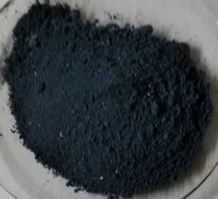
Silver Nanoparticles, 20nm, 50nm, 80nm, 100nm
View Product →