
Introduction: A Nano-Leap for Indian Agriculture
India's agricultural sector, the backbone of its economy, stands at a critical juncture. The dual challenge of feeding a burgeoning population while contending with climate change and environmental degradation demands innovative solutions. For decades, conventional chemical pesticides have been the primary line of defense against crop-destroying pests and diseases. However, their indiscriminate use has led to significant concerns, including pest resistance, soil and water contamination, and harmful residues in the food chain. This is where the field of nano agriculture, specifically the use of **silver nanoparticles in agricultural pesticide** formulations, emerges as a groundbreaking alternative.
A **nano pesticide** leverages the unique properties of materials at the nanoscale (less than 100 nanometers). A **silver formulation** for agricultural use harnesses the well-documented antimicrobial power of silver, amplifying it manifold through nanotechnology. This **silver agrochemical** approach offers a targeted, highly effective, and more sustainable method of plant protection. For Indian researchers, scientists, and agro-industries, this technology represents a paradigm shift—a move towards precision farming that is both economically viable and ecologically responsible. This article delves into the science, benefits, and immense potential of **silver nanoparticles** as the future of crop care in India.
Why Researchers and Industries are Turning to Silver Formulations
The transition towards nano-based agrochemicals is driven by a host of compelling advantages over traditional methods. For the R&D community in India, exploring **silver nanoparticles for agricultural pesticide** development opens up new avenues for innovation. Here are the key benefits:
-
Broad-Spectrum Efficacy
Silver nanoparticles exhibit potent antimicrobial activity against a wide range of plant pathogens, including fungi, bacteria, and viruses, often proving more effective than conventional, single-target pesticides.
-
Reduced Application Dosage
The extremely high surface-area-to-volume ratio of nanoparticles means a much smaller quantity of the **silver agrochemical** is needed to achieve superior results, leading to significant cost reduction and a lower chemical load on the environment.
-
Lower Risk of Resistance
Unlike conventional pesticides that target a single metabolic pathway, **nano pesticide** solutions like silver attack pathogens from multiple angles, drastically reducing the likelihood of pests developing resistance.
-
Enhanced Plant Health
Beyond **plant protection**, studies suggest that silver nanoparticles can also promote plant growth by enhancing nutrient uptake and photosynthetic activity, contributing to overall better yield and **nano crop care**.
Real-World Applications in Indian Farming
The versatility of **silver pesticide** formulations allows for their application across various aspects of agriculture. Indian agro-tech companies and research institutions are actively exploring these uses:
Foliar Sprays for Fungal and Bacterial Control
As a foliar spray, the **silver formulation** creates a protective layer on leaves, preventing the germination of fungal spores and inhibiting bacterial blights. This is highly effective for horticultural crops like tomatoes, grapes, and pomegranates, which are susceptible to diseases like powdery mildew and anthracnose.
Seed Treatment
Treating seeds with a solution containing silver nanoparticles protects seedlings from seed-borne and soil-borne pathogens during the critical germination phase. This ensures a healthier start for crops, leading to improved stand establishment and vigor.
Soil Application and Irrigation
Introducing **nano agro solutions** into the soil via irrigation systems (drip or drench) can help manage root rot diseases and harmful nematodes. The nanoparticles can effectively sterilize the root zone without harming beneficial soil microbes when applied at recommended concentrations.
Post-Harvest Management
The application of silver nanoparticles is not limited to the field. Spraying a diluted **nano silver solution** on harvested fruits and vegetables can extend their shelf life by preventing microbial spoilage, a significant benefit for reducing post-harvest losses in India.
The Indian Horizon: Opportunities and Future Trends
India is uniquely positioned to become a global leader in the research and application of **nano agriculture**. The government's focus on "Make in India" and "Digital India," combined with a strong network of agricultural universities and research institutes, creates a fertile ground for the growth of the **nano pesticide** market. The demand for sustainable farming practices is at an all-time high, driven by an increasingly aware consumer base and export market requirements.
Key trends indicate a shift towards "smart" delivery systems, where **silver nanoparticles** are encapsulated or functionalized to ensure a controlled and targeted release. This minimizes environmental exposure and maximizes impact on the target pest. Research into combining silver nanoparticles with other bio-pesticides is also gaining traction, creating synergistic formulations that are even more potent and eco-friendly. For Indian entrepreneurs and scientists, the development of cost-effective **silver formulation** processes and scalable production methods for **silver agrochemicals** presents a massive commercial and scientific opportunity.
Explore Our Nano Silver Solutions
For researchers and industries looking to pioneer the use of silver nanoparticles, we provide a range of high-purity and specialized products.

Colloidal Nano Silver Solution
View Product →
Warrior W5KSilver Antimicrobial Additive (Water Based)
View Product →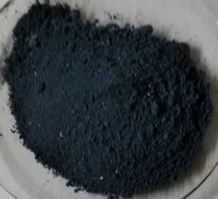
Silver Nanoparticles, 20nm, 50nm, 80nm, 100nm
View Product →
Nano Silver Liquid Chemical Additive Antibacterial
View Product →Frequently Asked Questions
Silver nanoparticles (AgNPs) are microscopic particles of silver, typically under 100nm in size. They act as a powerful nano pesticide by disrupting the cellular processes of a wide range of pathogens like fungi, bacteria, and viruses. Their multi-pronged attack mechanism, including membrane disruption and DNA interference, makes it difficult for pests to develop resistance.
When used correctly, silver nanoparticle formulations are considered more environmentally benign than many conventional chemical pesticides. They are required in much lower concentrations, reducing chemical runoff and soil contamination. Ongoing research in India focuses on optimizing their formulation to ensure biodegradability and minimize any long-term ecological impact, making nano agriculture a key to sustainability.
The use of nano-products in certified organic farming is still a subject of regulatory discussion globally and in India. However, due to their low toxicity and natural origin, silver agrochemicals are seen as a promising tool for integrated pest management (IPM) systems, which bridge the gap between conventional and organic practices, promoting sustainable nano crop care.
The primary advantage is enhanced efficacy at lower doses. The high surface-area-to-volume ratio of nanoparticles allows for better coverage and penetration of pathogens. This means less product is needed to achieve better results, leading to cost savings for farmers and a reduced environmental footprint, a core principle of nano agro solutions.
Ready to Revolutionize Your Research?
Connect with our experts to discuss your specific needs for silver nanoparticles and explore how our products can accelerate your R&D and product development.
Contact Us Today