A New Dawn in Dental Care: The Rise of Nano-Dentistry in India
For decades, the battle against tooth decay has been a primary focus of dental science. Traditional fillings, while effective, often have a limited lifespan and can become sites for secondary caries—new decay forming at the margins of the restoration. This challenge has paved the way for a groundbreaking field: nano-dentistry. In India, a country with a growing demand for advanced healthcare solutions, this innovation is not just a scientific curiosity but a vital tool for enhancing public oral hygiene. At the heart of this revolution are silver-infused materials, which are being integrated into dental composites to create powerful antimicrobial fillings.
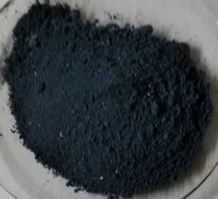
The concept is elegantly simple yet profoundly effective. By incorporating silver nanoparticles (AgNPs) into dental resins, we can create materials that don't just passively fill a cavity but actively fight against the bacteria responsible for tooth decay. This approach to dental restoration offers a dual benefit: restoring the tooth's structure and providing a long-lasting defense against microbial attacks. For Indian researchers, dental professionals, and material manufacturers, this technology represents a significant leap forward, promising more durable, reliable, and preventative dental care solutions that can significantly reduce the incidence of recurrent cavities and improve overall oral health outcomes.
Key Benefits for Researchers and Clinicians
The adoption of silver nanoparticles in dental applications offers a wealth of advantages for the Indian R&D community and dental practitioners. These benefits extend from enhanced material properties to improved patient outcomes.
- Enhanced Antimicrobial Efficacy: Silver nanoparticles provide broad-spectrum antimicrobial activity against oral pathogens, particularly Streptococcus mutans, the primary culprit in cavity formation. This active bacterial inhibition is crucial for effective cavity prevention.
- Prevention of Secondary Caries: The most significant clinical advantage is the reduction of secondary caries. By creating an "inhibition zone" around the restoration, antimicrobial fillings prevent bacteria from colonizing the tooth-filling interface, a common point of failure for traditional composites.
- Improved Mechanical Properties: Research indicates that the inclusion of AgNPs can, in some formulations, enhance the mechanical strength, wear resistance, and durability of dental composites. This leads to longer-lasting dental restorations.
- Biocompatibility and Safety: The silver nanoparticles are encapsulated within the polymer matrix, ensuring a controlled, low-level release of silver ions. This mechanism is potent enough to be antimicrobial yet remains safely below the threshold for cytotoxicity, ensuring excellent biocompatibility.
- A Platform for Innovation: For researchers in India, silver-infused materials provide a fertile ground for developing next-generation dental products, from orthodontic adhesives and root canal sealants to advanced dental coatings, pushing the boundaries of nano-dentistry.
Industry Applications: Beyond the Filling
Antimicrobial Dental Composites
The primary application is in creating restorative materials for fillings. Manufacturers can infuse their existing resin formulas with silver nanoparticles to develop a new line of high-performance, silver-based dental products that offer superior plaque reduction and tooth decay control at the restoration site.
Orthodontic Adhesives
Demineralization and white spot lesions around orthodontic brackets are common problems. Incorporating silver nanoparticles into orthodontic cements can prevent bacterial buildup around brackets, significantly improving oral hygiene for patients undergoing orthodontic treatment.
Endodontic (Root Canal) Sealers
Preventing reinfection is critical for the success of root canal treatments. An antimicrobial sealer containing AgNPs can effectively disinfect the root canal system and prevent residual bacteria from proliferating, improving the long-term success rate of endodontic procedures.
Denture Base Resins
Denture stomatitis, an inflammation caused by fungal or bacterial growth on dentures, affects many elderly individuals. Integrating silver-infused materials into denture acrylics can inhibit biofilm formation, making dentures more hygienic and comfortable for the wearer.
Opportunities and Future Trends in India
The Indian dental market is poised for significant growth, driven by increasing awareness of oral health and a rising middle class with greater purchasing power. This creates a fertile environment for the commercialization of advanced dental technologies like nano-dentistry. The "Make in India" initiative further encourages domestic R&D and manufacturing of high-tech medical devices and materials. Companies that invest in the development of silver-based dental products can tap into this burgeoning market, offering locally produced, cost-effective solutions that compete with international brands.
A key trend is the shift towards preventive and minimally invasive dentistry. Antimicrobial fillings align perfectly with this philosophy. Instead of just treating disease, they help prevent its recurrence. This is a powerful selling point for both dentists and patients. Furthermore, as research continues, we can expect to see "smart" dental materials that release silver ions in response to specific pH changes (e.g., when acid levels rise due to bacterial activity). This targeted approach will make dental restoration even more effective and personalized. For Indian startups and established dental material companies, the strategic use of silver nanoparticles in dental material applications is not just an opportunity—it's the future of oral healthcare.